
No products in the cart.
Return To ShopUnderstanding Endometriosis and Ayurveda: A Comprehensive Guide
Understanding Endometriosis and Ayurveda: A Comprehensive Guide is a chronic and often debilitating condition where tissue similar to the lining of the uterus grows outside the uterus. It affects millions of women worldwide, leading to symptoms such as severe pelvic pain, heavy menstrual bleeding, and infertility. Conventional treatments often include hormonal therapies, pain management, and, in some cases, surgery. However, many individuals seek alternative therapies to complement their treatment plans, and Ayurveda, an ancient system of medicine originating from India, offers holistic approaches to managing endometriosis.
What is Ayurveda?
Ayurveda, which translates to “the science of life,” is a traditional system of medicine that dates back over 5,000 years. It emphasizes balance among the body’s three doshas: Vata (air and space), Pitta (fire and water), and Kapha (earth and water).
Ayurvedic treatments are personalized, taking into account an individual’s unique constitution (Prakriti), current imbalances (Vikriti), and overall lifestyle. This holistic approach includes diet, herbal remedies, lifestyle modifications, and therapies to restore balance and promote well-being.
Ayurveda and Endometriosis
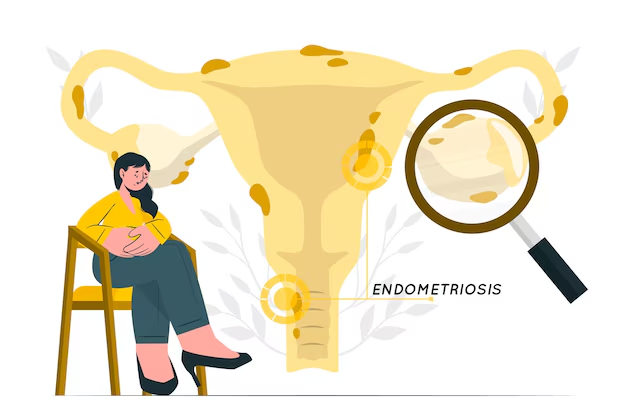
Understanding Endometriosis and Ayurveda: A Comprehensive Guide is considered a result of an imbalance in the doshas, particularly Pitta and Vata. Pitta represents the fiery, transformative elements, while Vata signifies movement and dryness. An excess of Pitta can lead to inflammation and pain, while an imbalance in Vata can contribute to dryness and irregularities in menstrual flow.
Key Ayurvedic Principles for Managing Endometriosis
- Diet and Nutrition: Ayurveda emphasizes the importance of a balanced diet to manage dosha imbalances. For endometriosis, the focus is on reducing Pitta and balancing Vata. This involves incorporating cooling, anti-inflammatory foods while avoiding those that exacerbate heat and inflammation.
- Cooling Foods: Incorporate foods like cucumber, cilantro, and coconut to soothe Pitta. These foods help counteract the inflammation and heat associated with endometriosis.
- Anti-Inflammatory Foods: Turmeric, ginger, and leafy greens are recommended for their anti-inflammatory properties.
- Avoiding Spicy and Acidic Foods: Limit foods that are excessively spicy, acidic, or oily, as these can aggravate Pitta and worsen symptoms.
- Herbal Remedies: Ayurveda utilizes various herbs to address the symptoms of endometriosis. Some commonly used herbs include:
- Ashwagandha (Withania somnifera): Known for its adaptogenic properties, ashwagandha helps in reducing stress and balancing hormones. It can be particularly beneficial in managing pain and promoting overall well-being.
- Shatavari (Asparagus racemosus): This herb supports reproductive health and can help regulate menstrual cycles. It also has a cooling effect that can soothe inflammation.
- Turmeric (Curcuma longa): As mentioned earlier, turmeric is renowned for its anti-inflammatory properties. It helps reduce pain and inflammation associated with endometriosis.
- Ginger (Zingiber officinale): Ginger can help alleviate nausea, reduce inflammation, and improve circulation.
- Lifestyle Modifications: Ayurveda emphasizes the importance of a balanced lifestyle. For those with endometriosis, incorporating certain practices can help manage symptoms effectively.
- Yoga and Exercise: Gentle yoga poses and exercises can help improve circulation, reduce stress, and alleviate pain. Poses that focus on the pelvic area, such as Child’s Pose and Cat-Cow, can be particularly beneficial.
- Stress Management: Stress can exacerbate endometriosis symptoms. Practices such as meditation, deep breathing exercises, and mindfulness can help manage stress and maintain hormonal balance.
- Adequate Rest: Ensuring adequate sleep and relaxation is crucial for overall health. Ayurveda recommends maintaining a regular sleep schedule and creating a restful environment.
- Panchakarma Therapy: Panchakarma is a set of five therapeutic treatments designed to detoxify and rejuvenate the body. For endometriosis, specific Panchakarma therapies can help reduce inflammation and balance doshas.
- Abhyanga (Oil Massage): This therapy involves the application of warm herbal oils to the body. It helps in soothing Vata and reducing inflammation.
- Basti (Enema Therapy): Herbal enemas can help cleanse the colon and balance Vata, which may alleviate some symptoms of endometriosis.
- Shirodhara (Oil Flow Therapy): This involves the continuous pouring of warm oil on the forehead.
Integrating Ayurveda with Conventional Medicine
While Ayurvedic treatments offer valuable support, it is essential to integrate them with conventional medical care. Ayurveda can complement conventional treatments by addressing underlying imbalances, reducing side effects, and improving overall well-being.
- Consultation with Healthcare Providers: Always consult with a healthcare provider before starting any new treatment, especially if you are already undergoing conventional medical treatments for endometriosis.
- Personalized Approach: Ayurveda emphasizes a personalized approach. Work with a qualified Ayurvedic practitioner who can tailor treatments to your specific needs and conditions.
- Ongoing Monitoring: Regularly monitor your symptoms and progress. Adjustments to your Ayurvedic treatments may be necessary based on how you respond and any changes in your condition.
Conclusion
Understanding Endometriosis and Ayurveda: A Comprehensive Guide can be a challenging condition, but integrating Ayurvedic principles with conventional treatments can provide a holistic approach to managing symptoms and improving quality of life. By focusing on diet, herbal remedies, lifestyle modifications, and Panchakarma therapy, Ayurveda offers valuable tools to support overall well-being and balance.
Remember, effective management of endometriosis requires a comprehensive approach. Combining the wisdom of Ayurveda with modern medical practices can help create a balanced and effective treatment plan. Always work closely with your healthcare providers and Ayurvedic practitioners to ensure the best outcomes for your health and well-being.

About author

Related posts

Atrial Fibrillation and Ayurveda: A Natural Path to Heart Health is a common heart condition that... Continue reading
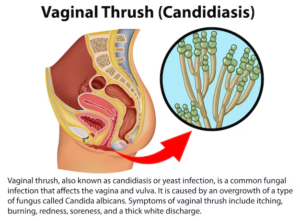
Ayurvedic Treatment for Candida Infection: A Comprehensive Guide are a common and often troublesome health issue,... Continue reading
Ayurvedic Approach to Encephalitis: A Holistic Healing Path is a serious medical condition characterized by inflammation... Continue reading
Ayurvedic Approach to Managing Fatty Liver Disease (NAFLD), particularly Non-Alcoholic Fatty Liver Disease (NAFLD), has emerged... Continue reading
Hematuria and Ayurvedic Treatment: A Comprehensive Guide to Understanding and Managing Blood in Urine the presence... Continue reading
Add comment