
No products in the cart.
Return To ShopThrombocytopenia and Ayurveda: An Integrative Approach to Managing Low Platelet Counts
Introduction
Thrombocytopenia and Ayurveda: An Integrative Approach to Managing Low Platelet Counts, characterized by abnormally low platelet counts, is a condition that can lead to increased bleeding and bruising, and in severe cases, life-threatening complications. Conventional treatments often focus on addressing the underlying cause of the condition and may include medications, blood transfusions, or other interventions. However, many individuals are seeking complementary approaches to manage their health conditions, including those with thrombocytopenia. Ayurveda, the traditional system of medicine from India, offers a unique perspective on maintaining health and balance in the body. This blog explores how Ayurvedic principles and treatments can be integrated into the management of thrombocytopenia.
Understanding Thrombocytopenia
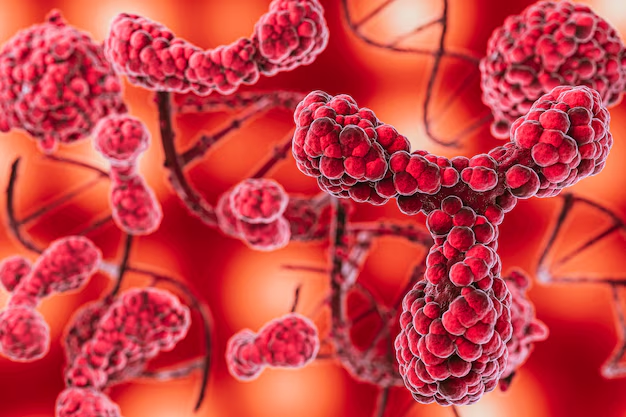
Before delving into Ayurvedic approaches, it is important to understand thrombocytopenia. Platelets, or thrombocytes, are blood cells responsible for blood clotting. A normal platelet count ranges from 150,000 to 450,000 per microliter of blood. When the count drops below this range, it can result in symptoms such as easy bruising, bleeding gums, frequent nosebleeds, and in severe cases, internal bleeding.
Thrombocytopenia can be caused by a variety of factors including:
- Bone marrow disorders: Conditions that affect platelet production.
- Autoimmune diseases: Disorders where the immune system mistakenly destroys platelets.
- Infections: Certain viral infections can affect platelet production or destruction.
- Medications: Some drugs can cause a decrease in platelet counts as a side effect.
- Nutritional deficiencies: Deficiencies in vitamin B12, folic acid, or iron can impact platelet production.
Ayurveda: An Overview
Ayurveda, which translates to “the science of life,” is a holistic system of medicine that originated in India over 5,000 years ago. It emphasizes balance in the body, mind, and spirit to achieve optimal health. According to Ayurveda, health is maintained through a balance of three doshas (Vata, Pitta, and Kapha), which are thought to be fundamental energies governing physiological and psychological processes.
In Ayurvedic medicine, diseases and conditions are understood as imbalances in these doshas. Treatments are tailored to restore balance through diet, lifestyle changes, herbal remedies, and other practices.
Ayurvedic Perspective on Thrombocytopenia
In Ayurveda, thrombocytopenia can be associated with an imbalance in the doshas, particularly Pitta dosha, which governs the body’s metabolic processes. An imbalance in Pitta may lead to excessive bleeding or a decrease in platelet production. Additionally, Ayurveda considers the condition in the context of overall health and vitality, focusing on systemic balance rather than isolated symptoms.
Key Ayurvedic Concepts Related to Thrombocytopenia
- Srotas: Channels or pathways in the body that are responsible for the transport of nutrients and wastes. Thrombocytopenia may be viewed as a disorder of the srotas associated with blood and circulation.
- Rakta Dhatu: The blood tissue, which is crucial for nourishment and vitality. An imbalance in Rakta Dhatu may contribute to platelet deficiencies.
- Ama: Toxic metabolic waste products that accumulate when digestion is impaired. Ama can disrupt the normal function of the blood and other tissues.
- Agni: The digestive fire or metabolic process. Strong Agni is essential for proper digestion and the production of healthy blood.
Ayurvedic Approach to Managing Thrombocytopenia
1. Dietary Modifications
a. Balancing Pitta Dosha: To manage thrombocytopenia, it is crucial to balance Pitta dosha. Foods that are cooling, soothing, and hydrating help in balancing Pitta. Include:
- Fresh fruits and vegetables: Such as cucumbers, melons, and leafy greens.
- Whole grains: Like barley, rice, and oats.
- Herbs: Coriander, mint, and fennel can have a cooling effect.
b. Foods to Avoid: To avoid aggravating Pitta, limit:
- Spicy and acidic foods: Such as chili peppers, tomatoes, and vinegar.
- Caffeinated and alcoholic beverages: These can increase Pitta imbalance.
c. Nutrient-Rich Foods: Ensure intake of foods rich in:
- Iron: Such as spinach, beets, and pomegranates.
- Vitamin B12 and Folate: Found in leafy greens, nuts, and seeds.
2. Herbal Remedies
a. Ashwagandha (Withania somnifera): Known for its adaptogenic properties, it helps in improving overall vitality and strength. It can support the production of healthy blood cells.
b. Guduchi (Tinospora cordifolia): Often used to boost the immune system and detoxify the body. It helps in improving platelet counts and supporting liver function.
c. Amalaki (Phyllanthus emblica): Rich in Vitamin C, it enhances immune function and supports the health of blood cells.
d. Manjistha (Rubia cordifolia): Used for its blood-purifying properties, it helps in maintaining healthy blood flow and reducing inflammation.
3. Lifestyle Adjustments
a. Stress Management: Chronic stress can aggravate Pitta dosha. Incorporate practices such as:
- Meditation and Yoga: These can help in balancing the mind and body.
- Deep Breathing Exercises: To reduce stress and promote overall well-being.
b. Regular Exercise: Engage in gentle activities such as walking or swimming, which support circulation without overstressing the body.
c. Adequate Rest: Ensure proper sleep and relaxation to support the body’s healing processes.
4. Detoxification and Purification
a. Panchakarma: A set of Ayurvedic detoxification treatments that help cleanse the body of toxins and restore balance. Panchakarma procedures such as Virechana (purging therapy) and Basti (enema therapy) can be beneficial, but should be conducted under the supervision of a qualified Ayurvedic practitioner.
b. Snehana and Swedana: Oil massages and sweat-inducing therapies can help in purifying the body and supporting overall health.
Integrating Ayurveda with Conventional Medicine
Ayurvedic treatments should be used as complementary approaches alongside conventional medical care. It is essential to consult with both an Ayurvedic practitioner and a healthcare provider to ensure that all aspects of the condition are being addressed safely and effectively.
Monitoring and Adjusting Treatment
Regular monitoring of platelet counts and overall health is crucial. Adjustments to dietary plans, herbal remedies, and lifestyle practices may be necessary based on progress and individual responses.
Patient Education and Support
Educating patients about their condition and the role of Ayurvedic treatments helps in managing expectations and improving adherence to treatment plans. Support from healthcare providers, family, and community can play a significant role in the management of thrombocytopenia.
Conclusion
Thrombocytopenia and Ayurveda: An Integrative Approach to Managing Low Platelet Counts is a complex condition with various underlying causes and treatment options. Ayurveda offers a holistic perspective that emphasizes balance and systemic health. By integrating Ayurvedic principles with conventional medical treatments, individuals with thrombocytopenia can explore complementary approaches that support overall well-being and potentially improve their quality of life.
Always consult with healthcare professionals before starting any new treatment regimen, and consider working with a qualified Ayurvedic practitioner to tailor treatments to your specific needs. Embracing a holistic approach to health can provide valuable insights and support in managing thrombocytopenia and enhancing overall vitality.


About author

Related posts

Atrial Fibrillation and Ayurveda: A Natural Path to Heart Health is a common heart condition that... Continue reading
Ayurvedic Treatment for Candida Infection: A Comprehensive Guide are a common and often troublesome health issue,... Continue reading
Ayurvedic Approach to Encephalitis: A Holistic Healing Path is a serious medical condition characterized by inflammation... Continue reading
Ayurvedic Approach to Managing Fatty Liver Disease (NAFLD), particularly Non-Alcoholic Fatty Liver Disease (NAFLD), has emerged... Continue reading
Hematuria and Ayurvedic Treatment: A Comprehensive Guide to Understanding and Managing Blood in Urine the presence... Continue reading
Add comment