
No products in the cart.
Return To ShopAddressing Anxiety and Depression through Ayurveda
Addressing Anxiety and Depression through Ayurveda In today’s fast-paced world, anxiety and depression have become increasingly prevalent, impacting millions of individuals globally. Traditional Western medicine offers various treatments, but an ancient system of medicine, Ayurveda, provides a unique and holistic approach to mental health. Rooted in the wisdom of ancient India, Ayurveda offers insights and practices that address the root causes of anxiety and depression, aiming for balance and harmony in both body and mind. This blog explores how Ayurveda can be a valuable tool in managing and alleviating anxiety and depression.
Understanding Ayurveda
Ayurveda, which translates to “the science of life” (Ayur = life, Veda = science), is a holistic system of medicine that dates back over 5,000 years. It is based on the principle of balancing the body’s three primary energies, or doshas: Vata (air and space), Pitta (fire and water), and Kapha (earth and water). Each dosha governs different physiological and psychological functions, and imbalance in these doshas is believed to lead to health issues, including mental health conditions like anxiety and depression.
The Doshas and Mental Health
In Ayurveda, mental health is closely linked to the balance of the doshas. Each dosha influences our mental and emotional states in specific ways:
- Vata Dosha: Characterized by qualities such as dryness, lightness, and irregularity. When Vata is imbalanced, it can lead to anxiety, restlessness, and insomnia. Individuals with a predominant Vata dosha may experience rapid thoughts and a tendency to worry excessively.
- Pitta Dosha: Represented by qualities of heat, intensity, and sharpness. An imbalance in Pitta can manifest as anger, irritability, and frustration. People with a predominant Pitta dosha may have high standards for themselves and others, leading to stress and burnout.
- Kapha Dosha: Associated with heaviness, stability, and lethargy. An imbalanced Kapha dosha can result in depression, lack of motivation, and emotional stagnation. Individuals with a dominant Kapha dosha might struggle with low energy and a tendency to dwell on negative thoughts.
Ayurvedic Approach to Anxiety

1. Diet and Nutrition
Ayurveda emphasizes the importance of diet in maintaining mental health. For anxiety, a Vata-balancing diet is recommended. This includes:
- Warm, cooked foods: These help to soothe and ground the Vata dosha. Opt for soups, stews, and cooked vegetables.
- Healthy fats: Incorporate ghee (clarified butter) and oils like sesame and olive oil to provide nourishment and stability.
- Sweet, sour, and salty tastes: These tastes help balance Vata. Include fruits, yogurt, and a pinch of salt in your meals.
Avoid excessive caffeine, cold foods, and raw vegetables, which can aggravate Vata and contribute to anxiety.
2. Herbal Remedies
Ayurvedic herbs can be effective in calming an anxious mind:
- Ashwagandha (Withania somnifera): Known for its adaptogenic properties, it helps the body cope with stress and balance Vata.
- Brahmi (Bacopa monnieri): Supports cognitive function and calms the nervous system.
- Jatamansi (Nardostachys jatamansi): Helps in reducing mental stress and promoting relaxation.
Always consult with a qualified Ayurvedic practitioner before starting any new herbal regimen.
3. Daily Routine (Dinacharya)
Establishing a consistent daily routine can help stabilize the Vata dosha and reduce anxiety. Key practices include:
- Regular Sleep Schedule: Aim for a consistent bedtime and wake-up time to promote mental and emotional balance.
- Meditation and Pranayama: Daily meditation and breathing exercises, like alternate nostril breathing (Nadi Shodhana), can help calm the mind and reduce anxiety.
- Abhyanga (Self-Massage): Daily self-massage with warm sesame oil can help soothe Vata and promote relaxation.
Ayurvedic Approach to Depression
1. Diet and Nutrition
For addressing depression, a Kapha-balancing diet is beneficial. Focus on:
- Light, warm foods: Incorporate foods that are light and easy to digest, such as vegetables, legumes, and whole grains.
- Spices: Use warming spices like ginger, cinnamon, and black pepper to stimulate digestion and reduce Kapha.
- Avoid heavy, oily foods: Limit intake of fried and excessively fatty foods, which can increase Kapha and contribute to feelings of heaviness and lethargy.
2. Herbal Remedies
Ayurvedic herbs for managing depression include:
- St. John’s Wort (Hypericum perforatum): Known for its mood-lifting properties and used in traditional medicine to alleviate symptoms of depression.
- Turmeric (Curcuma longa): Contains curcumin, which has anti-inflammatory and mood-enhancing effects.
- Guduchi (Tinospora cordifolia): Supports overall vitality and helps in reducing feelings of heaviness and stagnation.
Again, consult with a professional before using these herbs, especially if you are on medication or have underlying health conditions.
3. Daily Routine (Dinacharya)
A balanced daily routine is crucial for managing depression. Incorporate:
- Regular Exercise: Engage in moderate physical activity, such as walking, yoga, or dancing, to stimulate circulation and boost mood.
- Sunlight Exposure: Spend time outdoors in natural sunlight to improve mood and regulate circadian rhythms.
- Rituals and Relaxation: Engage in relaxing practices such as reading, spending time with loved ones, or pursuing hobbies to lift your spirits.
The Role of Yoga and Meditation
Yoga and meditation play a vital role in Ayurveda for mental well-being.
- Yoga: Specific poses (asanas) can help balance the doshas and alleviate anxiety and depression. For Vata imbalances, focus on grounding poses like Tree Pose and Warrior Pose. For Kapha imbalances, energizing poses like Sun Salutations and standing poses can be beneficial.
- Meditation: Regular meditation practice helps in calming the mind, reducing stress, and promoting mental clarity. Techniques such as mindfulness meditation and loving-kindness meditation (Metta) are particularly effective in addressing anxiety and depression.
Conclusion
Ayurveda offers a comprehensive approach to managing anxiety and depression by addressing the root causes of these conditions through diet, herbs, lifestyle practices, and mental exercises. By balancing the doshas and nurturing both body and mind, Ayurveda provides a pathway to mental well-being that complements modern treatments.
Embracing Ayurvedic principles involves more than just following dietary guidelines or taking herbs; it is about cultivating a holistic lifestyle that promotes harmony and balance. As with any health approach, it is essential to consult with a qualified practitioner to tailor treatments to individual needs and conditions.
By integrating Ayurveda into your mental health regimen, you can explore a path towards greater balance and serenity, aligning with the timeless wisdom of this ancient science.


About author

Related posts

Atrial Fibrillation and Ayurveda: A Natural Path to Heart Health is a common heart condition that... Continue reading
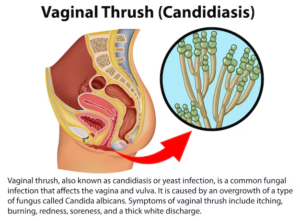
Ayurvedic Treatment for Candida Infection: A Comprehensive Guide are a common and often troublesome health issue,... Continue reading
Ayurvedic Approach to Encephalitis: A Holistic Healing Path is a serious medical condition characterized by inflammation... Continue reading

Ayurvedic Approach to Managing Fatty Liver Disease (NAFLD), particularly Non-Alcoholic Fatty Liver Disease (NAFLD), has emerged... Continue reading

Hematuria and Ayurvedic Treatment: A Comprehensive Guide to Understanding and Managing Blood in Urine the presence... Continue reading
Add comment