
Understanding Systemic Lupus Erythematosus: An Ayurvedic Perspective
Understanding Systemic Lupus Erythematosus: An Ayurvedic Perspective is a complex autoimmune disease characterized by the body’s immune system attacking its own tissues. This condition can affect multiple systems, including the skin, joints, kidneys, heart, and lungs, leading to a wide range of symptoms. Traditional Western medicine often focuses on managing symptoms with immunosuppressants and anti-inflammatory medications. However, there is a growing interest in complementary approaches, including Ayurveda, which offers holistic strategies to manage and alleviate the symptoms of SLE.
What is Systemic Lupus Erythematosus?
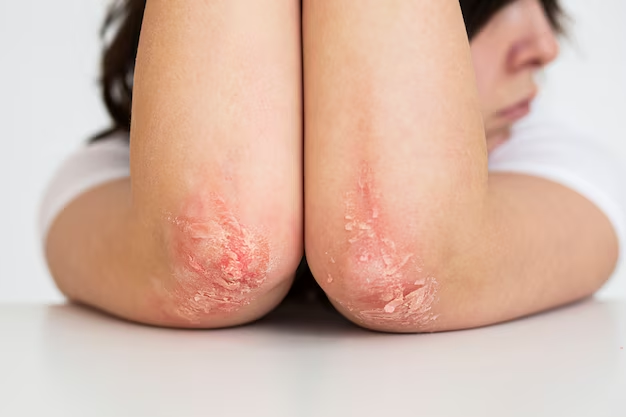
SLE is often referred to simply as lupus. It affects more women than men, with a peak incidence between the ages of 15 and 44. The exact cause of lupus remains unknown, but it is believed to involve genetic, hormonal, environmental, and immunological factors. Symptoms can vary widely from person to person and may include:
- Fatigue
- Joint pain and swelling
- Skin rashes, particularly the “butterfly rash” on the face
- Photosensitivity
- Kidney problems
- Fever
- Hair loss
- Mouth ulcers
Given the chronic nature of this disease, patients often seek alternative therapies to complement their conventional treatments.
The Ayurvedic Perspective
Ayurveda, the ancient Indian system of medicine, offers a comprehensive approach to health that emphasizes balance among the body, mind, and spirit. According to Ayurveda, diseases arise from an imbalance in the body’s doshas (Vata, Pitta, and Kapha), which are fundamental energies that govern physiological functions.
Dosha Imbalance in SLE
In the case of SLE, the predominant dosha involved is often considered to be Pitta, which is associated with heat, metabolism, and transformation. An excess of Pitta can lead to inflammation, which aligns with the symptoms seen in lupus. Moreover, the condition may also affect Vata, which governs mobility and stability, leading to joint issues.
Ayurvedic Diagnosis
An Ayurvedic practitioner diagnoses SLE by assessing the patient’s doshic balance, lifestyle, diet, and emotional well-being. They may look for signs of inflammation, heat in the body, and imbalances in digestion. This holistic assessment allows practitioners to tailor treatments specifically for the individual.
Ayurvedic Treatments for Systemic Lupus Erythematosus
1. Dietary Modifications
Diet plays a crucial role in Ayurveda. A balanced diet helps to pacify the doshas and improve overall health.
- Pitta-Pacifying Foods: Include cooling foods like cucumbers, leafy greens, sweet fruits, and whole grains. Avoid hot spices, caffeine, and alcohol, which can aggravate Pitta.
- Anti-Inflammatory Foods: Incorporate turmeric, ginger, and garlic, known for their anti-inflammatory properties.
- Hydration: Drink plenty of water infused with cooling herbs like mint and coriander to help reduce heat in the body.
2. Herbal Remedies
Several Ayurvedic herbs may help manage symptoms of SLE:
- Ashwagandha (Withania somnifera): Known for its adaptogenic properties, it helps reduce stress and inflammation.
- Turmeric (Curcuma longa): Contains curcumin, which has potent anti-inflammatory and antioxidant properties.
- Ginger (Zingiber officinale): Helps improve digestion and reduce inflammation.
- Brahmi (Bacopa monnieri): Supports cognitive function and reduces stress, which can be beneficial for overall well-being.
3. Panchakarma Therapy
Panchakarma is a detoxification process that helps remove toxins (ama) from the body and restore balance. Common treatments include:
- Abhyanga (Oil Massage): Helps improve circulation and reduce stiffness in joints.
- Swedana (Fomentation): Involves steaming the body to relieve toxins and promote relaxation.
- Basti (Enema Therapy): Can help cleanse the colon and balance Vata dosha.
These therapies should be conducted under the supervision of a qualified Ayurvedic practitioner.
4. Yoga and Pranayama
Gentle yoga and breathing exercises (pranayama) can significantly improve physical and mental well-being.
- Yoga: Focus on gentle stretching and restorative poses to improve flexibility and reduce stiffness.
- Pranayama: Techniques such as Nadi Shodhana (alternate nostril breathing) can help calm the mind and reduce stress, which is crucial for managing chronic conditions.
5. Lifestyle Changes
Adopting a balanced lifestyle is essential in Ayurveda.
- Stress Management: Techniques such as meditation, mindfulness, and spending time in nature can help reduce stress, which may trigger lupus flare-ups.
- Sleep Hygiene: Ensure adequate sleep to promote healing and balance.
- Daily Routine: Following a consistent daily routine (dinacharya) can help regulate bodily functions and promote harmony.
Integrating Ayurveda with Conventional Treatments
It’s important to note that Ayurveda should be viewed as a complementary approach rather than a substitute for conventional medical treatments. Patients should work closely with healthcare providers to ensure a coordinated approach that considers all aspects of their health.
Monitoring and Adjustments
Regular follow-ups with both Ayurvedic practitioners and conventional healthcare providers are crucial to monitor the condition and adjust treatment plans as needed. SLE is a dynamic disease, and what works for one patient may not work for another.
Conclusion
Understanding Systemic Lupus Erythematosus: An Ayurvedic Perspective erythematosus is a challenging condition that requires a multifaceted approach to treatment. Ayurveda offers valuable insights and holistic strategies to support individuals dealing with this complex autoimmune disease. By focusing on dietary modifications, herbal remedies, detoxification therapies, yoga, and lifestyle changes, patients can potentially improve their quality of life and manage their symptoms more effectively.
However, it’s essential to approach Ayurvedic treatments with caution and under professional guidance, especially when integrating them with conventional therapies. The goal is to achieve balance and harmony in the body, mind, and spirit, ultimately fostering resilience against this chronic condition.
Final Thoughts
Incorporating Ayurvedic principles into the management of systemic lupus erythematosus can provide a holistic framework for healing. While research on the effectiveness of Ayurvedic treatments for lupus is still emerging, many individuals find value in these ancient practices. Embracing a holistic approach can empower patients to take control of their health, promote wellness, and enhance their quality of life.


About author


Leave a reply