
Understanding Parkinson’s Disease and the Role of Ayurveda in Management
Understanding Parkinson’s Disease and the Role of Ayurveda in Management is a progressive neurological disorder that primarily affects movement. Characterized by tremors, stiffness, slowness of movement, and balance issues, PD can significantly impact daily life. While conventional medicine offers treatments like medication and surgery, many individuals seek complementary approaches, including Ayurveda, for holistic management. This blog explores Parkinson’s Disease and how Ayurvedic principles can help manage its symptoms.
What is Parkinson’s Disease?
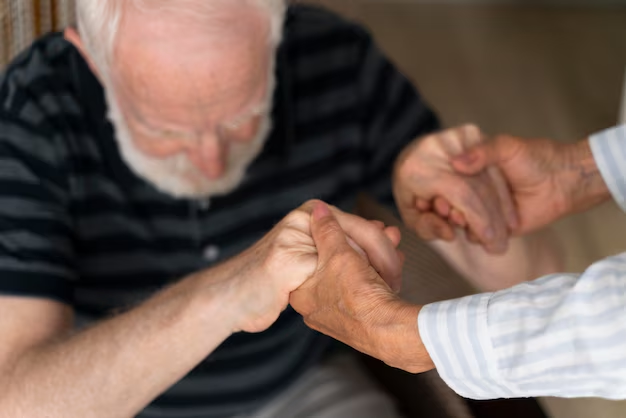
Parkinson’s Disease is a neurodegenerative disorder that results from the loss of dopamine-producing neurons in the brain, specifically in an area called the substantia nigra. Dopamine is crucial for coordinating movement, and its deficiency leads to the characteristic symptoms of PD. The exact cause of PD is still unknown, though genetics and environmental factors are believed to play a role.
Symptoms of Parkinson’s Disease
- Motor Symptoms:
- Tremors: Involuntary shaking, often starting in one hand.
- Bradykinesia: Slowness of movement, making everyday tasks more challenging.
- Rigidity: Stiffness in the limbs and torso.
- Postural Instability: Difficulty with balance and coordination.
- Non-Motor Symptoms:
- Sleep disturbances: Insomnia or restless leg syndrome.
- Cognitive changes: Memory issues or difficulties with concentration.
- Emotional changes: Anxiety, depression, or apathy.
Understanding these symptoms is crucial for managing the condition effectively, both through conventional medicine and alternative approaches like Ayurveda.
The Ayurvedic Perspective on Parkinson’s Disease
Ayurveda, an ancient Indian system of medicine, offers a holistic approach to health and wellness. It emphasizes the balance of three doshas—Vata, Pitta, and Kapha—believed to govern physical and mental processes. In Ayurveda, Parkinson’s Disease can be understood primarily through the lens of Vata imbalance.
Vata Dosha and Its Role
Vata is associated with movement, communication, and the nervous system. In Ayurvedic terms, an imbalance in Vata can lead to symptoms that resemble those of Parkinson’s Disease, such as tremors, rigidity, and anxiety. Managing Vata is, therefore, central to alleviating the symptoms of PD.
Ayurvedic Treatments for Parkinson’s Disease
Ayurveda offers various treatments that can help manage Parkinson’s Disease. These include herbal remedies, dietary changes, lifestyle modifications, and therapeutic treatments like Panchakarma.
1. Herbal Remedies
Several herbs are considered beneficial for managing Parkinson’s Disease in Ayurveda:
- Ashwagandha (Withania somnifera): Known for its adaptogenic properties, ashwagandha may help reduce stress and improve overall cognitive function.
- Brahmi (Bacopa monnieri): This herb is renowned for enhancing memory and cognitive function, making it useful for addressing the cognitive aspects of PD.
- Turmeric (Curcuma longa): With its anti-inflammatory properties, turmeric may help protect against neurodegeneration.
- Ginger (Zingiber officinale): Often used to improve digestion and circulation, ginger can also help alleviate nausea that may arise from medication.
- Guggulu (Commiphora mukul): This resin is used in Ayurvedic medicine to improve mobility and reduce stiffness.
2. Dietary Recommendations
Diet plays a significant role in Ayurveda. For individuals with Parkinson’s Disease, a Vata-pacifying diet is essential. This includes:
- Warm, cooked foods: Opt for soups, stews, and steamed vegetables, which are easier to digest.
- Healthy fats: Incorporate ghee and olive oil to help nourish the nervous system.
- Hydration: Drink warm water and herbal teas to stay hydrated, which is essential for overall health.
- Spices: Use spices like turmeric, cumin, and coriander to enhance flavor and support digestion.
- Avoid cold and dry foods: Minimize raw vegetables and cold drinks that can aggravate Vata.
3. Lifestyle Modifications
Adopting a Vata-balancing lifestyle can help manage symptoms of Parkinson’s Disease:
- Regular routine: Establishing a consistent daily routine can help regulate the body’s rhythms.
- Gentle exercise: Practices like yoga, tai chi, and walking can improve mobility and balance while calming the nervous system.
- Mindfulness and meditation: Stress reduction techniques can help manage anxiety and improve mental clarity.
4. Panchakarma Therapy
Panchakarma is a detoxification and rejuvenation therapy in Ayurveda. It includes various treatments designed to cleanse the body of toxins and restore balance. Key components include:
- Abhyanga (oil massage): This helps improve circulation and calm the nervous system.
- Shirodhara: A treatment where warm oil is poured on the forehead, promoting relaxation and mental clarity.
- Basti: Medicated enemas that can help detoxify the body and restore balance.
These therapies should be conducted under the supervision of a qualified Ayurvedic practitioner.
Integrating Ayurveda with Conventional Treatment
While Ayurveda offers valuable insights and treatments for managing Parkinson’s Disease, it is essential to integrate these practices with conventional medical care. Individuals should consult their healthcare providers before starting any new treatments or therapies, especially when dealing with a complex condition like PD.
The Importance of a Holistic Approach
A holistic approach to managing Parkinson’s Disease recognizes the interplay of physical, emotional, and mental health. Ayurveda encourages individuals to consider their overall well-being, not just the physical symptoms. This perspective can lead to improved quality of life and greater resilience in the face of challenges.
Conclusion
Understanding Parkinson’s Disease and the Role of Ayurveda in Management presents significant challenges, but a combination of conventional medicine and Ayurvedic practices can offer a comprehensive approach to management. By focusing on Vata balance, individuals can explore various herbal remedies, dietary changes, and lifestyle modifications that may alleviate symptoms and enhance overall well-being.
As with any health condition, it is crucial to work closely with healthcare providers and Ayurvedic practitioners to create a personalized plan that addresses individual needs. With the right support and strategies, individuals with Parkinson’s Disease can find ways to lead fulfilling lives while managing their symptoms effectively.

About author


Leave a reply