
Understanding Hives in Ayurveda: A Holistic Approach
Understanding Hives in Ayurveda: A Holistic Approach, known scientifically as urticaria, are a common skin condition characterized by itchy, raised welts that can appear anywhere on the body. While conventional medicine often focuses on symptom management, Ayurveda offers a holistic approach that considers the underlying imbalances in the body. This blog will explore the Ayurvedic perspective on hives, potential causes, and natural remedies to alleviate the condition.
What Are Hives?
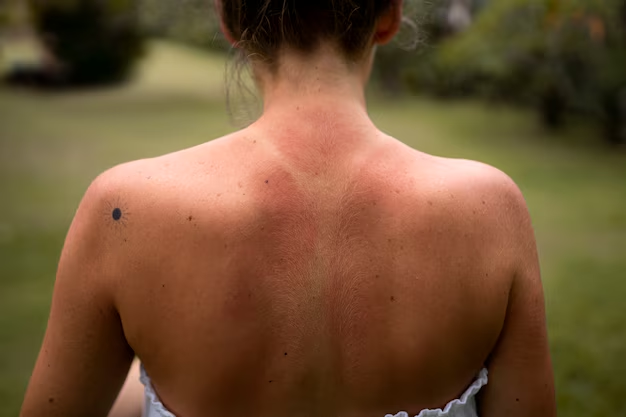
Hives are often triggered by various factors, including allergic reactions, stress, medications, food, and environmental conditions. They manifest as red or skin-colored welts that can vary in size and shape, accompanied by intense itching. In some cases, hives can be acute, lasting less than six weeks, or chronic, persisting for longer periods.
The Ayurvedic Perspective
Ayurveda, the ancient system of medicine from India, views health as a balance of three fundamental energies or doshas: Vata, Pitta, and Kapha. Each dosha represents different physical and emotional qualities. According to Ayurveda, hives can arise from imbalances in these doshas, particularly an aggravation of Pitta dosha, which is associated with heat, inflammation, and metabolism.
Dosha Imbalances and Hives
- Pitta Imbalance: When Pitta is aggravated, it can lead to excessive heat in the body, causing inflammation and resulting in conditions like hives. This can be triggered by spicy foods, alcohol, stress, and exposure to heat.
- Vata Imbalance: Vata dosha governs movement and communication within the body. An increase in Vata can lead to dryness and skin issues, potentially contributing to the development of hives.
- Kapha Imbalance: While Kapha is less frequently associated with hives, an excess can result in sluggishness and retention of toxins, indirectly affecting skin health.
Causes of Hives in Ayurveda
Ayurveda attributes the occurrence of hives to several factors:
- Dietary Choices: Consuming excessive spicy, sour, or fried foods can aggravate Pitta. Food allergies or intolerances, particularly to dairy, gluten, or shellfish, can also lead to hives.
- Environmental Factors: Exposure to pollen, dust, chemicals, or extreme weather can trigger allergic reactions, causing hives.
- Stress and Emotions: Emotional disturbances such as anxiety, anger, or frustration can aggravate Pitta and lead to skin eruptions.
- Toxins (Ama): Accumulation of toxins in the body, known as Ama, can disrupt the doshic balance, contributing to skin problems like hives.
- Infections: Viral or bacterial infections can trigger immune responses that lead to hives.
Ayurvedic Remedies for Hives
- Dietary Adjustments:
- Cooling Foods: Incorporate foods that pacify Pitta, such as cucumbers, melons, coconut, and leafy greens. Avoid spicy, acidic, and fried foods.
- Hydration: Drink plenty of water and herbal teas to help flush out toxins and maintain skin hydration.
- Ghee and Healthy Fats: Use ghee and other healthy fats to nourish the skin and promote digestion.
- Herbal Remedies:
- Neem: Known for its anti-inflammatory and blood-purifying properties, neem can help reduce the symptoms of hives
- Turmeric: With its potent anti-inflammatory properties, turmeric can help alleviate hives.
- Aloe Vera: Known for its soothing properties, aloe vera gel can be applied directly to the affected areas for relief from itching and inflammation.
- Brahmi: This herb is renowned for its calming effects and can help balance Pitta and soothe skin irritation.
- Lifestyle Changes:
- Stress Management: Engage in yoga, meditation, or deep-breathing exercises to reduce stress and promote emotional balance.
- Regular Exercise: Regular physical activity helps maintain healthy circulation and promotes overall well-being, aiding in the management of Pitta.
- Adequate Sleep: Ensuring proper rest and sleep helps the body to heal and maintain its natural balance.
- Topical Treatments:
- Coconut Oil: Applying virgin coconut oil can soothe the skin and provide moisture.
- Herbal Pastes: Making a paste from neem, turmeric, and sandalwood can provide cooling relief when applied to the skin.
- Panchakarma: For chronic cases, Ayurvedic detoxification treatments like Panchakarma can help eliminate toxins from the body, balance the doshas, and restore health.
Prevention Strategies
Preventing hives involves both lifestyle and dietary modifications:
- Avoid Known Triggers: Identify and avoid foods, medications, or environmental factors that trigger hives.
- Maintain a Healthy Diet: Focus on a balanced diet rich in whole, fresh foods, and avoid processed foods high in additives.
- Stay Hydrated: Drink sufficient water to support detoxification and maintain skin health.
- Practice Mindfulness: Regularly practice mindfulness or meditation to manage stress and emotional health effectively.
Conclusion
Hives can be a frustrating and uncomfortable condition, but Ayurveda offers a comprehensive approach to treatment by addressing the root causes and imbalances in the body. By focusing on dietary adjustments, herbal remedies, lifestyle changes, and stress management techniques, individuals can find relief from hives while promoting overall well-being.
If you experience persistent or severe hives, it’s essential to consult with a healthcare professional for proper diagnosis and treatment. Embracing the wisdom of Ayurveda can provide valuable insights into achieving balance and harmony in your body, leading to healthier skin and improved quality of life.
Final Thoughts
Understanding and addressing hives from an Ayurvedic perspective empowers individuals to take control of their health. By integrating holistic practices into daily life, one can cultivate resilience against skin conditions and promote lasting wellness. Whether you choose to explore herbal remedies or adopt a Pitta-pacifying diet, remember that every small change contributes to a more balanced and healthier you.

About author



Leave a reply