
Understanding Endometriosis and the Role of Ayurveda in Management
Understanding Endometriosis and the Role of Ayurveda in Management is a complex and often debilitating condition that affects millions of women worldwide. Characterized by the growth of endometrial tissue outside the uterus, it can lead to severe pain, irregular bleeding, and fertility issues. Traditional medical treatments often focus on hormonal therapies and pain management, but many women seek alternative approaches to address the root causes of their symptoms. Ayurveda, an ancient system of medicine from India, offers a holistic perspective on health and wellness that can be particularly beneficial for managing endometriosis.
What is Endometriosis?
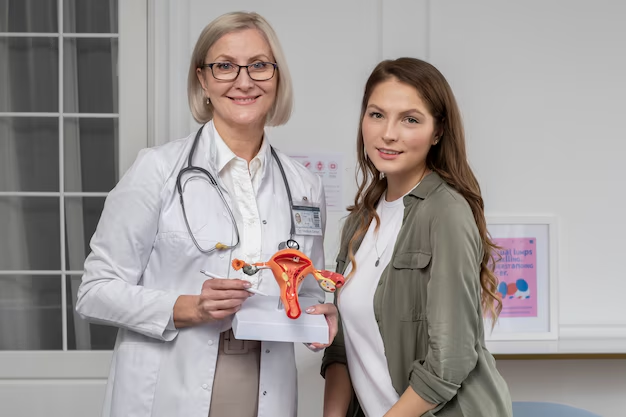
Endometriosis occurs when tissue similar to the lining of the uterus begins to grow outside the uterus, often on the ovaries, fallopian tubes, and other pelvic structures. This abnormal growth can lead to inflammation, scar tissue, and adhesions, causing significant pain, especially during menstruation. Symptoms may include:
- Pelvic pain
- Painful periods (dysmenorrhea)
- Pain during intercourse
- Pain with bowel movements or urination
- Excessive bleeding
- Infertility
The exact cause of endometriosis is not fully understood, but factors like genetics, immune system disorders, and hormonal imbalances are thought to play a role.
The Ayurvedic Perspective on Endometriosis
Ayurveda views health as a balance of the mind, body, and spirit. It emphasizes the importance of lifestyle, diet, and natural remedies in maintaining health and treating diseases. From an Ayurvedic perspective, endometriosis is often linked to an imbalance in the body’s doshas—particularly the Pitta and Kapha doshas.
- Pitta Dosha: This dosha is associated with heat and transformation. In cases of endometriosis, an excess of Pitta can lead to inflammation and pain.
- Kapha Dosha: This dosha represents structure and fluid balance. When Kapha is imbalanced, it can lead to stagnation and the formation of cysts or endometrial growths.
Key Ayurvedic Concepts Related to Endometriosis
- Srotas (Channels): Ayurvedic texts describe the importance of the body’s channels in maintaining health. Blockages or imbalances in these channels can lead to the accumulation of toxins (ama) and contribute to conditions like endometriosis.
- Ama (Toxins): The buildup of ama is a central concept in Ayurveda. It is believed that ama forms when digestion is weak or when toxins are not properly eliminated. This can contribute to inflammation and disease.
- Agni (Digestive Fire): Strong digestion is essential for health. An imbalance in agni can lead to the formation of ama and disrupt the body’s natural processes.
Ayurvedic Treatment Approaches for Endometriosis
Ayurveda emphasizes personalized treatment plans based on an individual’s constitution (Prakriti) and current imbalances (Vikriti). Here are some commonly recommended strategies for managing endometriosis through Ayurveda:
1. Dietary Adjustments
A balanced diet is crucial for maintaining dosha harmony and supporting overall health. Key dietary recommendations include:
- Anti-inflammatory Foods: Incorporate foods rich in omega-3 fatty acids, such as flaxseeds, walnuts, and fatty fish, to help reduce inflammation.
- Fresh Fruits and Vegetables: These provide essential vitamins, minerals, and antioxidants. Aim for a variety of colors to ensure a broad range of nutrients.
- Spices: Turmeric, ginger, and cinnamon have anti-inflammatory properties and can support digestion.
- Avoid Processed Foods: Limit sugar, refined carbohydrates, and unhealthy fats, which can exacerbate inflammation.
2. Herbal Remedies
Ayurveda utilizes a range of herbs to support reproductive health and reduce symptoms of endometriosis. Some beneficial herbs include:
- Ashoka (Saraca asoca): Traditionally used to support women’s health, Ashoka is known for its ability to regulate menstrual cycles and reduce pelvic pain.
- Shatavari (Asparagus racemosus): This adaptogenic herb is known to nourish and balance female reproductive health. It may help in regulating hormonal levels.
- Turmeric (Curcuma longa): With its potent anti-inflammatory properties, turmeric can help manage pain and inflammation associated with endometriosis.
- Ginger (Zingiber officinale): Known for its ability to soothe gastrointestinal issues and reduce inflammation, ginger can also help alleviate menstrual pain.
3. Detoxification
Detoxification (Panchakarma) is an essential aspect of Ayurvedic treatment. It involves cleansing the body of toxins and restoring balance. Some detox methods that may be beneficial include:
- Abhyanga (Oil Massage): A daily oil massage with warm herbal oils can enhance circulation, reduce stress, and support lymphatic drainage.
- Svedana (Steam Therapy): This treatment can help in opening up the channels and facilitating the elimination of toxins.
- Enemas (Basti): Herbal enemas can be used to cleanse the lower gastrointestinal tract and promote overall detoxification.
4. Lifestyle Changes
In addition to dietary and herbal treatments, lifestyle modifications play a crucial role in managing endometriosis:
- Yoga and Meditation: These practices can help reduce stress, improve circulation, and promote overall well-being. Poses that focus on the pelvic region, such as Supta Baddha Konasana and Setu Bandhasana, can be particularly beneficial.
- Adequate Sleep: Prioritize restful sleep to support the body’s healing processes and maintain hormonal balance.
- Regular Exercise: Engage in gentle exercises like walking, swimming, or cycling to promote circulation and reduce stress.
5. Emotional Well-being
Ayurveda recognizes the interconnectedness of the mind and body. Emotional health plays a significant role in physical well-being. Practices to support emotional balance include:
- Mindfulness: Engage in mindfulness practices to help manage stress and anxiety.
- Support Groups: Connect with others facing similar challenges to share experiences and strategies.
- Therapy: Consider talking to a therapist or counselor if emotional distress is significant.
Conclusion
Understanding Endometriosis and the Role of Ayurveda in Management can be a challenging condition to manage, but Ayurveda offers a holistic approach that addresses both the physical and emotional aspects of health. By understanding the underlying imbalances in the body and implementing dietary, herbal, and lifestyle changes, many women find relief from their symptoms.
It is essential to consult with a qualified Ayurvedic practitioner to create a personalized treatment plan tailored to your unique constitution and imbalances. Understanding Endometriosis and the Role of Ayurveda in Management as with any medical condition, combining Ayurvedic practices with conventional medical care can lead to a comprehensive approach to managing endometriosis.
Remember, every woman’s journey is unique, and what works for one individual may not work for another. Through patience, self-awareness, and a commitment to holistic health, it is possible to navigate the challenges of endometriosis and achieve a balanced, fulfilling life.


About author


Leave a reply