
Understanding Disc Herniation Through the Lens of Ayurveda
Understanding Disc Herniation Through the Lens of Ayurveda, a common spinal condition, occurs when the inner gel-like core of a spinal disc protrudes through the outer layer, potentially pressing on nearby nerves and leading to pain, weakness, or numbness. Conventional medicine often treats this condition with pain relief medications, physical therapy, and, in severe cases, surgery. However, Ayurveda offers a holistic approach that emphasizes the body’s natural healing processes and seeks to restore balance within the individual. In this blog, we will explore the Ayurvedic perspective on disc herniation, including its causes, symptoms, treatment modalities, and lifestyle recommendations.
Understanding Disc Herniation: An Ayurvedic Perspective
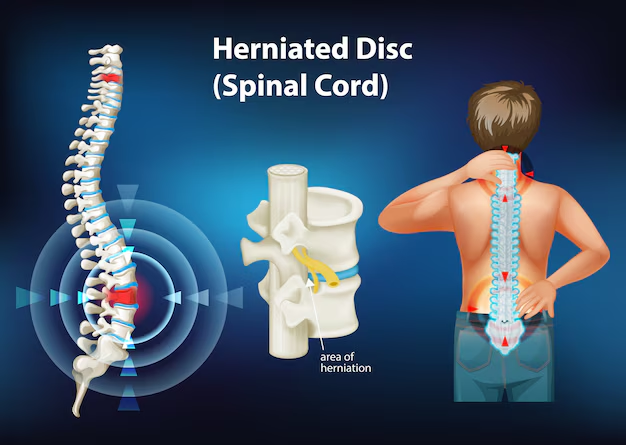
In Ayurveda, health is viewed as a balance of three primary doshas: Vata (air and space), Pitta (fire and water), and Kapha (earth and water). Each dosha governs various physiological and psychological functions. Disc herniation is often associated with an imbalance in Vata dosha, which can lead to increased dryness, tension, and instability in the body.
Causes of Disc Herniation in Ayurveda
- Vata Imbalance: An excess of Vata can lead to degeneration of tissues, including the intervertebral discs. Factors contributing to Vata imbalance include stress, irregular sleep patterns, poor diet, and lack of physical activity.
- Age and Degeneration: As we age, the natural hydration and flexibility of the discs decrease. In Ayurvedic terms, this is seen as a decline in Ojas (vitality) and a weakening of the body’s natural resilience.
- Injury or Trauma: Physical injuries can disrupt the structural integrity of the spine, leading to herniation. In Ayurveda, this can be viewed as a sudden aggravation of Vata due to trauma.
- Poor Posture and Lifestyle: Sedentary habits, improper lifting techniques, and prolonged sitting can exacerbate Vata aggravation, making individuals more susceptible to disc problems.
Symptoms of Disc Herniation
Symptoms of disc herniation can vary widely, depending on the severity of the herniation and the nerves affected. Common symptoms include:
- Localized pain in the back
- Radiating pain to the legs or arms
- Numbness or tingling sensations
- Muscle weakness
- Difficulty in movement
In Ayurveda, these symptoms can be understood as manifestations of Vata’s aggravation, leading to pain and disruption in the body’s energy flow.
Ayurvedic Treatment Approaches
Ayurveda focuses on treating the root cause of the condition rather than merely alleviating symptoms. A multi-faceted approach is often recommended, including dietary changes, herbal remedies, therapies, and lifestyle adjustments.
1. Diet and Nutrition
A balanced diet is crucial for managing Vata imbalances. Here are some dietary recommendations:
- Warm, Nourishing Foods: Emphasize cooked foods that are warm and moist. Include soups, stews, and whole grains to counteract Vata’s dryness.
- Healthy Fats: Incorporate ghee, olive oil, and avocados into your meals. These fats help lubricate the tissues and provide nourishment.
- Hydration: Drink plenty of fluids, particularly warm herbal teas. Staying hydrated is essential to maintaining disc health.
- Spices: Use spices such as ginger, turmeric, and cumin, which have anti-inflammatory properties and support digestion.
2. Herbal Remedies
Ayurveda offers a range of herbs that can help alleviate the symptoms of disc herniation and support overall spinal health:
- Ashwagandha (Withania somnifera): Known for its adaptogenic properties, it helps reduce stress and inflammation.
- Turmeric (Curcuma longa): Contains curcumin, which has potent anti-inflammatory effects and can help in pain management.
- Guggulu (Commiphora mukul): Often used for its anti-inflammatory properties, it can support joint health and mobility.
- Brahmi (Bacopa monnieri): Aids in stress relief and improves cognitive function, which can help address the mental aspects of chronic pain.
3. Panchakarma Therapy
Panchakarma, a series of detoxifying treatments, can help restore balance to the doshas. Specific therapies beneficial for disc herniation include:
- Abhyanga (Oil Massage): A warm oil massage can soothe Vata, improve circulation, and promote relaxation.
- Basti (Enema Therapy): This therapy helps eliminate toxins and can specifically target lower back issues when medicated oils are used.
- Swedana (Herbal Steam Therapy): Steam therapy can help relax muscles, reduce stiffness, and alleviate pain.
4. Yoga and Physical Therapy
Gentle yoga and physical therapy are excellent ways to improve flexibility, strength, and posture. Some beneficial practices include:
- Gentle Stretching: Focus on stretches that open the hips and lower back while maintaining a relaxed breath.
- Strengthening Exercises: Strengthening the core and back muscles can provide better support to the spine, reducing the risk of further injury.
- Mindfulness Practices: Incorporating mindfulness meditation can help reduce stress and improve overall well-being.
5. Lifestyle Modifications
Adopting a Vata-pacifying lifestyle is essential for managing disc herniation:
- Regular Sleep Schedule: Ensure you get adequate rest and maintain a regular sleep schedule to support recovery.
- Stress Management: Practice stress-reducing techniques such as meditation, deep breathing, and spending time in nature.
- Proper Posture: Be mindful of your posture while sitting, standing, and lifting to prevent further strain on the spine.
Conclusion
Disc herniation can be a challenging condition, but Ayurveda offers a comprehensive approach that addresses both the physical and psychological aspects of healing. By understanding the underlying imbalances and incorporating dietary changes, herbal remedies, therapeutic practices, and lifestyle modifications, individuals can work towards restoring balance and achieving better spinal health.
As always, it’s essential to consult with a qualified Ayurvedic practitioner before starting any new treatment regimen, especially when dealing with a complex condition like disc herniation. Embracing the principles of Ayurveda can lead to not only relief from symptoms but also a deeper understanding of one’s own body and its needs. In doing so, individuals can cultivate a path toward holistic healing and overall well-being.


About author


Leave a reply