
Understanding Kuru in Ayurveda: A Deep Dive into its Causes, Symptoms, and Treatment
Understanding Kuru in Ayurveda: A Deep Dive into its Causes, Symptoms, and Treatment the ancient Indian system of medicine, has long been revered for its holistic approach to health and well-being. Among the myriad conditions it addresses, Kuru, often referred to as a form of neurological disorder, is one that requires careful consideration. In this blog, we’ll explore the intricacies of Kuru, including its origins, symptoms, causes, and Ayurvedic treatment methods.
What is Kuru?

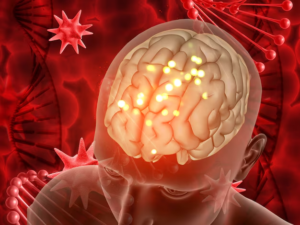
Kuru is a rare and progressive neurodegenerative disorder that was historically associated with the Fore tribe in Papua New Guinea. The term “Kuru” translates to “to shake” in the Fore language, aptly describing one of its primary symptoms: tremors. Kuru is part of a group of diseases known as transmissible spongiform encephalopathies (TSEs), which also includes conditions like Creutzfeldt-Jakob disease.
Causes of Kuru
1. Prion Infection
Kuru is primarily caused by the consumption of infected human tissue, particularly during ritualistic cannibalism. The prion protein, which is abnormal in Kuru, induces neurodegeneration. This can be likened to the Ayurvedic concept of “ama,” or toxins that accumulate in the body due to improper digestion or imbalanced doshas.
2. Dietary Factors
In the context of Ayurveda, dietary imbalances can also contribute to the development of Kuru-like symptoms. Excessive consumption of heavy, tamasic foods can disrupt the body’s balance, leading to an accumulation of toxins that affect mental clarity and neurological health.
3. Lifestyle Choices
Stress, lack of physical activity, and poor sleep patterns can aggravate Vata dosha, leading to conditions that manifest as neurological disorders. Ayurveda emphasizes the importance of a balanced lifestyle, which is essential for maintaining health.
Symptoms of Kuru
The symptoms of Kuru develop over time and can vary in severity. Some of the primary symptoms include:
- Tremors and Shaking: The hallmark symptom of Kuru, caused by neurodegeneration.
- Cognitive Decline: Memory loss and changes in behavior, reflecting the impact on mental faculties.
- Emotional Changes: Mood swings and emotional instability due to neurological decline.
Ayurvedic Perspective on Kuru
From an Ayurvedic standpoint, Kuru is seen as a condition that results from the disruption of the body’s natural equilibrium. Understanding the dosha imbalances at play can help in formulating effective treatment strategies.
1. Vata Imbalance
Kuru predominantly indicates an imbalance in Vata dosha, which governs the nervous system. Excess Vata can lead to dryness, roughness, and instability, all of which contribute to the neurological symptoms observed in Kuru.
2. Ama Accumulation
The presence of ama, or toxic residues, can further exacerbate symptoms. This accumulation often results from poor digestion (agni) and can lead to the manifestation of diseases in various tissues, including the nervous system.
3. Srotas and Dhatus
Kuru disrupts the srotas associated with the nervous system, leading to a breakdown in communication within the body.
Ayurvedic Treatment Approaches
The treatment of Kuru in Ayurveda focuses on restoring balance to the doshas, particularly Vata, and eliminating ama.
1. Dietary Changes
Adopting a Vata-pacifying diet is crucial. This includes:
- Warm, moist foods: Soups and stews help in grounding and stabilizing Vata.
- Healthy fats: Ghee and oils nourish the nervous system and combat dryness.
- Spices: Ginger, turmeric, and cinnamon can aid digestion and detoxification.
2. Herbal Remedies
Several Ayurvedic herbs can support neurological health:
- Brahmi (Bacopa monnieri): Known for its cognitive-enhancing properties.
- Ashwagandha (Withania somnifera): An adaptogen that helps reduce stress and balance Vata.
- Turmeric (Curcuma longa): Its anti-inflammatory properties can support brain health.
3. Panchakarma Therapy
Panchakarma, a detoxification process, can help eliminate ama and restore balance. Key therapies include:
- Abhyanga: A full-body oil massage that nourishes tissues and calms Vata.
- Shirodhara: A treatment where warm oil is poured on the forehead, promoting mental clarity and relaxation.
- Basti: An enema treatment using herbal oils to cleanse the lower intestines, balancing Vata dosha.
4. Lifestyle Modifications
Incorporating daily practices that promote balance is essential:
- Yoga and Pranayama: Gentle yoga postures and breathing exercises help calm the mind and regulate Vata.
- Meditation: Mindfulness and meditation can aid cognitive function and emotional stability.
- Adequate Sleep: Establishing a regular sleep routine supports overall health and Vata balance.
Conclusion
Understanding Kuru in Ayurveda: A Deep Dive into its Causes, Symptoms, and Treatment though rare, highlights the profound connection between diet, lifestyle, and neurological health. By understanding Kuru through the lens of Ayurveda, we can appreciate the importance of maintaining balance in our doshas and eliminating toxins from the body.
While Kuru primarily stems from prion infection, the Ayurvedic approach offers valuable insights into preventative measures and holistic treatments. Through dietary changes, herbal remedies, and lifestyle modifications, we can strive to maintain not only neurological health but overall well-being.
Incorporating Ayurvedic principles into daily life is a powerful way to foster resilience against neurological disorders. As we continue to explore the depths of Ayurveda, we uncover timeless wisdom that remains relevant in our modern world. Embracing these practices can lead to a healthier, more balanced life, helping us navigate the challenges posed by conditions like Kuru with grace and strength.

About author


Leave a reply