
Ayurvedic Treatments for Skin Conditions
Ayurvedic Treatments for Skin Conditions, the ancient system of medicine from India, offers a holistic approach to health and well-being. One of the areas where Ayurveda excels is in the treatment of skin conditions. Understanding the principles of Ayurveda can lead to effective, natural solutions for various skin issues. In this blog, we will explore common skin conditions and how Ayurvedic treatments can help address them.
Understanding Ayurveda and Skin Health
Ayurveda is based on the concept of balancing the three doshas: Vata, Pitta, and Kapha. Each person has a unique constitution (Prakriti) determined by the balance of these doshas, which influences not only physical health but also skin conditions. When these doshas are imbalanced, skin problems can arise.
- Vata Dosha: Associated with dryness, coolness, and irregularity. Imbalances can lead to dry skin, eczema, and psoriasis.
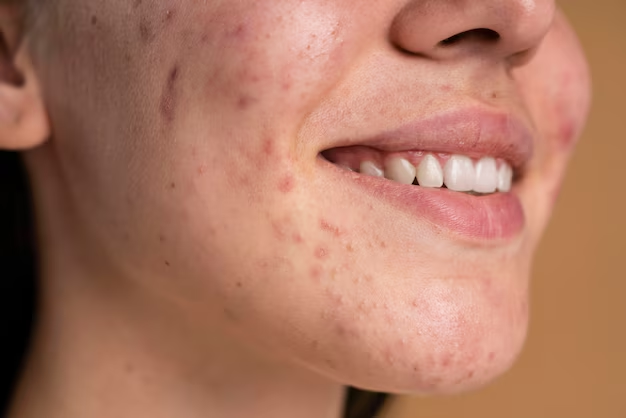
- Pitta Dosha: Linked to heat, metabolism, and digestion. Excess Pitta can cause conditions like acne, rosacea, and inflammation.
- Kapha Dosha: Characterized by heaviness and moisture. An imbalance can lead to oily skin, cystic acne, and conditions like dermatitis.
To effectively treat skin conditions, Ayurveda focuses on restoring balance through diet, lifestyle, and herbal remedies.
Common Skin Conditions and Ayurvedic Treatments
1. Acne
Acne is a common skin condition primarily caused by excess oil production and hormonal changes. In Ayurveda, it is often attributed to an imbalance in the Pitta dosha.
Ayurvedic Remedies:
- Herbs: Neem, turmeric, and holy basil (Tulsi) are powerful anti-inflammatory and antibacterial herbs that can help reduce acne.
- Diet: Emphasize a Pitta-pacifying diet rich in cooling foods like cucumbers, melons, and leafy greens. Avoid spicy, oily, and fried foods.
- Lifestyle: Stress management through yoga and meditation can also help balance hormones.
2. Eczema
Eczema is characterized by inflamed, itchy, and dry skin. In Ayurveda, it is often linked to Vata and Kapha imbalances.
Ayurvedic Remedies:
- Herbal Pastes: Applying a paste made of sandalwood and turmeric can soothe irritated skin.
- Oil Treatments: Coconut oil and sesame oil can help hydrate and calm the skin. Regularly massaging these oils into the skin can also reduce dryness.
- Diet: Focus on warm, cooked foods, and include spices like ginger and cumin that promote digestion.
3. Psoriasis
Psoriasis is a chronic autoimmune condition that results in rapid skin cell production, leading to red, scaly patches. It is often associated with aggravated Vata and Kapha doshas.
Ayurvedic Remedies:
- Detoxification: Panchakarma, a detoxification therapy, can be beneficial in reducing toxins (ama) in the body.
- Herbal Formulations: Preparations containing guggulu and turmeric may help reduce inflammation and promote healing.
- Diet: A Kapha-pacifying diet that avoids dairy, sugar, and processed foods can help manage symptoms.
4. Rosacea
Rosacea is characterized by facial redness, visible blood vessels, and sometimes acne-like bumps. It is often linked to Pitta dosha imbalances.
Ayurvedic Remedies:
- Cooling Herbs: Aloe vera and rose water can be applied topically to soothe inflammation.
- Diet: Include cooling foods and avoid spicy and hot foods. Drink plenty of water and herbal teas like chamomile and peppermint.
- Stress Reduction: Techniques such as pranayama (breath control) and yoga can help manage stress levels.
5. Hyperpigmentation
Hyperpigmentation occurs when certain areas of the skin become darker due to excess melanin production.
Ayurvedic Remedies:
- Herbal Masks: A paste of turmeric and chickpea flour can lighten dark spots. Applying it regularly can help improve skin tone.
- Diet: Consume foods rich in antioxidants like berries and leafy greens to support skin health.
- Sun Protection: Using natural sunscreens made from ingredients like zinc oxide can prevent further darkening of the skin.
6. Oily Skin
Oily skin can lead to clogged pores and breakouts, often associated with an aggravated Kapha dosha.
Ayurvedic Remedies:
- Cleansing: A daily cleansing routine using a mix of besan (gram flour) and water can help remove excess oil without stripping the skin.
- Herbs: Neem and tea tree oil can be effective in treating oily skin due to their antibacterial properties.
- Diet: Reduce intake of heavy and oily foods. Focus on lighter meals that include plenty of fruits and vegetables.
Lifestyle Changes for Healthy Skin
In addition to herbal remedies and dietary adjustments, certain lifestyle changes can significantly improve skin health.
1. Hydration
Drinking adequate water is crucial for maintaining skin hydration and detoxifying the body. Herbal teas and infused water with ingredients like mint, lemon, and cucumber can also be beneficial.
2. Sleep
Adequate sleep is essential for skin repair and rejuvenation. Aim for 7-9 hours of quality sleep each night to help your skin heal.
3. Stress Management
Chronic stress can exacerbate skin conditions. Incorporating practices such as yoga, meditation, and deep-breathing exercises into your daily routine can help maintain emotional and physical balance.
4. Skin Care Routine
Using natural ingredients in your skincare routine can minimize irritation. Avoid harsh chemicals and opt for gentle cleansers, moisturizers, and sunscreens.
5. Regular Exercise
Regular physical activity helps improve circulation, reduces stress, and promotes healthy skin. Aim for at least 30 minutes of moderate exercise most days of the week.
Conclusion
Ayurvedic treatments for skin conditions offer a holistic and effective approach to achieving healthy skin. By understanding your unique dosha balance and making lifestyle, dietary, and herbal adjustments, you can address various skin issues naturally. Always consult with a qualified Ayurvedic practitioner before starting any new treatment to ensure it aligns with your individual needs.
By embracing Ayurveda, you can cultivate not only beautiful skin but also overall well-being, allowing you to shine from the inside out. Remember, patience and consistency are key; natural healing takes time but can lead to lasting results.


About author





Leave a reply