
Warts: Understanding and Treating with Ayurveda
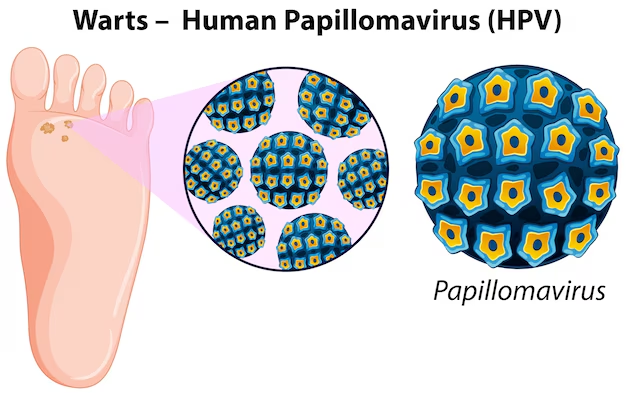
Warts: Understanding and Treating with Ayurveda are benign skin growths caused by the human papillomavirus (HPV). They can appear anywhere on the body and are most commonly found on the hands and feet. Although warts are generally harmless, they can be unsightly and sometimes uncomfortable. In this blog, we will explore the Ayurvedic perspective on warts, their causes, and various natural remedies that can help.
Understanding Warts in Ayurveda
In Ayurveda, health is defined by a balance of the three doshas: Vata, Pitta, and Kapha. Each dosha represents different elements and functions in the body.
- Vata Dosha: Represents air and space, governing movement and communication.
- Pitta Dosha: Represents fire and water, managing digestion, metabolism, and energy production.
- Kapha Dosha: Represents earth and water, associated with structure, stability, and lubrication.
Warts are believed to arise from an imbalance in the body, often linked to excess Kapha, which can lead to sluggishness and growths on the skin. This imbalance can stem from factors such as poor digestion, weak immunity, and the accumulation of toxins (ama) in the body.
Causes of Warts
- Vitiation of Doshas: An imbalance, particularly in Kapha, can lead to the growth of warts.
- Weak Immunity: A compromised immune system is unable to fight off viral infections effectively.
- Poor Digestion: A weak digestive fire (agni) can lead to the accumulation of toxins.
- Lifestyle Factors: Stress, inadequate sleep, poor diet, and lack of physical activity contribute to overall imbalances.
- Skin Health: Ayurveda emphasizes skin health, linking it to internal health. Any imbalance can manifest externally.
Ayurvedic Diagnosis
Ayurvedic practitioners diagnose conditions by evaluating physical symptoms, dietary habits, lifestyle, and emotional well-being. The practitioner may perform a detailed examination of the patient’s pulse, tongue, and skin to determine the underlying imbalances. This comprehensive assessment helps in tailoring treatments to restore balance to the doshas.
Ayurvedic Remedies for Warts
1. Herbal Pastes
Herbs are a cornerstone of Ayurvedic treatment.
- Turmeric: Known for its antiseptic and anti-inflammatory properties, turmeric can be made into a paste with water or coconut oil and applied to the wart.
- Garlic: This potent herb has antiviral properties. Crushed garlic can be applied to the wart, covered with a bandage, and left overnight.
- Neem: With its antibacterial and antifungal properties, neem leaves can be ground into a paste and applied to the affected area.
2. Dietary Changes
Diet plays a crucial role in balancing the doshas. To combat warts, consider the following dietary adjustments:
- Incorporate Bitter Foods: Foods like bitter gourd, dandelion greens, and leafy vegetables can help reduce Kapha.
- Avoid Excess Dairy and Sugars: These can increase mucus production and aggravate Kapha imbalances.
- Stay Hydrated: Drinking warm water infused with lemon can help detoxify the body and support digestion.
3. Detoxification
Cleansing the body of toxins (ama) can significantly improve overall health and help in the treatment of warts. Ayurvedic detox methods include:
- Panchakarma: A comprehensive detox program involving therapeutic treatments to cleanse the body.
- Herbal Teas: Teas made from ginger, tulsi (holy basil), or triphala can aid digestion and promote detoxification.
4. Topical Applications
- Tea Tree Oil: Known for its antiviral properties, applying diluted tea tree oil can help fight the virus causing the wart.
- Castor Oil: Massaging castor oil on warts can help break down the wart tissue over time.
5. Yoga and Pranayama
Yoga not only improves physical health but also enhances mental clarity and emotional well-being. Certain asanas can help balance the doshas and improve overall vitality:
- Surya Namaskar (Sun Salutation): This sequence energizes the body and promotes circulation.
- Pranayama (Breath Control): Techniques like Anulom Vilom (alternate nostril breathing) can help calm the mind and reduce stress, indirectly supporting immune function.
6. Lifestyle Adjustments
Making changes to your daily routine can greatly impact your health:
- Sleep: Ensure you get sufficient, restful sleep to support immune function.
- Stress Management: Engage in activities like meditation or mindfulness to reduce stress levels.
- Regular Exercise: Physical activity helps maintain a balanced dosha and improves circulation.
Importance of Consultation
While Ayurvedic remedies can be highly effective, it’s essential to consult with a qualified Ayurvedic practitioner before starting any treatment. They can provide personalized recommendations based on your unique constitution and health status. Self-medication, even with natural remedies, can sometimes lead to unintended consequences.
Conclusion
Warts may be a common skin condition, but their treatment can benefit from a holistic approach, such as Ayurveda. By understanding the underlying imbalances in the body and addressing them through natural remedies, dietary changes, and lifestyle adjustments, it is possible to manage and potentially eliminate warts effectively. Remember that patience is key; Ayurvedic treatments often take time to show results. Always consult with a healthcare professional before starting any new treatment regimen.
Incorporating Ayurvedic wisdom into your daily life not only addresses specific issues like warts but also promotes overall well-being, helping you to lead a healthier, more balanced life.


About author




Leave a reply