
Understanding Tay-Sachs Disease and Ayurvedic Perspectives
Introduction
Understanding Tay-Sachs Disease and Ayurvedic Perspectives is a rare genetic disorder primarily affecting the nervous system. It is caused by a deficiency in the enzyme hexosaminidase A (Hex-A), leading to the accumulation of GM2 gangliosides in nerve cells. This accumulation ultimately results in the progressive degeneration of the nervous system, causing severe neurological symptoms. While conventional medicine focuses on genetic counseling and supportive care, alternative approaches like Ayurveda offer unique insights and potential supportive therapies.
What is Tay-Sachs Disease?
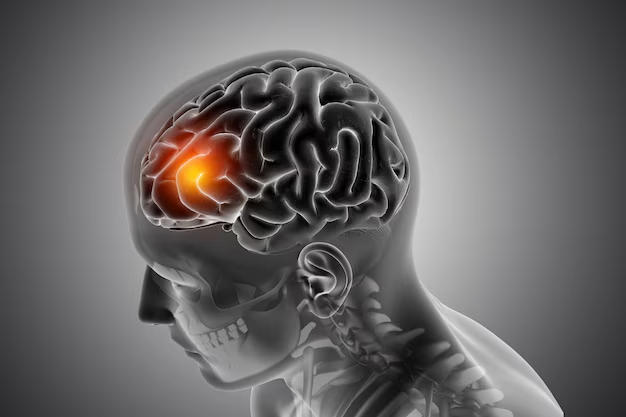
Tay-Sachs disease is most commonly found in individuals of Ashkenazi Jewish descent but can affect people from various ethnic backgrounds. The condition typically manifests in infancy, with symptoms appearing around six months of age. Key symptoms include:
- Developmental Delay: Children may miss milestones such as sitting up, crawling, or walking.
- Neurological Decline: Progressive loss of motor skills and eventual paralysis.
- Vision and Hearing Loss: Blindness and deafness are common as the disease progresses.
- Seizures: Frequent seizures can occur as the nervous system deteriorates.
- Cherry-Red Spot: A characteristic finding in the retina, visible during an eye examination.
Unfortunately, Tay-Sachs disease is usually fatal by early childhood, with most affected children not surviving beyond their early teens.
The Role of Ayurveda
Ayurveda, the ancient Indian system of medicine, emphasizes a holistic approach to health and well-being. It seeks to balance the body’s energies (doshas) and promote harmony between the body, mind, and spirit. While Ayurveda does not offer a cure for genetic disorders like Tay-Sachs, it can provide supportive therapies to improve quality of life and manage symptoms.
Core Concepts of Ayurveda
- Doshas: The three doshas—Vata, Pitta, and Kapha—represent different energies in the body. Each individual has a unique balance of these doshas, which influences their health.
- Samskara: This concept refers to the mental impressions or imprints from experiences. Ayurvedic practices aim to purify these imprints to promote overall well-being.
- Prakriti: This is the inherent constitution of an individual, determined at the time of conception. Understanding a person’s prakriti helps tailor treatments.
- Diet and Lifestyle: Ayurveda emphasizes the importance of a balanced diet and lifestyle tailored to one’s dosha.
Ayurvedic Approaches to Managing Tay-Sachs Disease
While there is no cure for Tay-Sachs, certain Ayurvedic practices may help support the overall health of affected individuals. Here are some potential approaches:
1. Dietary Recommendations
Ayurveda considers diet essential for maintaining balance. For children with Tay-Sachs, a nourishing diet can help support their immune system and overall health. Some dietary guidelines include:
- Sattvic Foods: Emphasize fresh, whole, and organic foods. Sattvic foods, such as fruits, vegetables, whole grains, nuts, and seeds, can provide the necessary nutrients.
- Avoiding Processed Foods: Minimize intake of refined sugars and processed foods, which can lead to inflammation and imbalances.
- Hydration: Ensure adequate hydration, using warm water or herbal teas, to support digestion and circulation.
2. Herbal Remedies
Ayurvedic herbs can support various bodily functions and may help alleviate some symptoms. Consultation with an experienced Ayurvedic practitioner is crucial for appropriate recommendations. Some herbs that may be considered include:
- Ashwagandha (Withania somnifera): Known for its adaptogenic properties, it can help reduce stress and support overall vitality.
- Brahmi (Bacopa monnieri): Often used to enhance cognitive function, it may support neurological health.
- Turmeric (Curcuma longa): With its anti-inflammatory properties, turmeric can help reduce inflammation in the body.
3. Panchakarma Therapy
Panchakarma is a detoxification process in Ayurveda aimed at cleansing the body of toxins. This may include therapies such as:
- Abhyanga (Oil Massage): Regular oil massages can improve circulation and provide comfort.
- Shirodhara: This therapy involves pouring warm oil over the forehead, which may help calm the mind and improve relaxation.
While these therapies cannot reverse the effects of Tay-Sachs, they may provide comfort and support overall well-being.
4. Yoga and Physical Therapy
Gentle yoga and physical therapy can be beneficial for maintaining mobility and flexibility. Customized yoga practices can help enhance body awareness and improve overall strength.
5. Emotional and Spiritual Support
Tay-Sachs disease is not only a physical challenge but also an emotional one. Ayurveda emphasizes the importance of mental and emotional health. Techniques such as meditation, chanting, and breathing exercises (pranayama) can provide emotional stability and support.
Genetic Counseling and Supportive Care
In conjunction with Ayurvedic practices, families affected by Tay-Sachs disease should consider genetic counseling. Understanding the genetic implications of Tay-Sachs can help families make informed decisions about family planning and care. Support groups and counseling services can also offer emotional support and practical advice for families navigating this difficult journey.
Conclusion
Tay-Sachs disease presents significant challenges, both physically and emotionally. While there is no cure, Ayurveda offers a holistic approach to managing symptoms and supporting overall well-being. Integrating dietary changes, herbal remedies, detoxification therapies, and emotional support can create a nurturing environment for affected individuals.
It is essential for families to consult with healthcare professionals, including both conventional and Ayurvedic practitioners, to ensure a comprehensive and balanced approach to care. By combining modern medical insights with traditional wisdom, families can find the best path forward in managing the impacts of Tay-Sachs disease.
Final Thoughts
The journey of managing Tay-Sachs disease is undoubtedly complex and multifaceted. While we continue to seek advancements in medical research, exploring holistic approaches through Ayurveda can provide valuable support and improve quality of life for those affected. By fostering a deeper understanding of this condition and the potential benefits of Ayurveda, we can help ensure that affected individuals and their families receive compassionate care and support.


About author



Leave a reply