
Understanding Diabetes Insipidus: An Ayurvedic Perspective
Understanding Diabetes Insipidus: An Ayurvedic Perspective is a condition characterized by an imbalance of fluids in the body, leading to excessive thirst and urination. Unlike diabetes mellitus, which involves issues with insulin and blood sugar levels, DI is primarily a problem with the hormone vasopressin, which helps regulate water balance. This blog will explore the causes, symptoms, and treatment of Diabetes Insipidus from an Ayurvedic perspective.
What is Diabetes Insipidus?
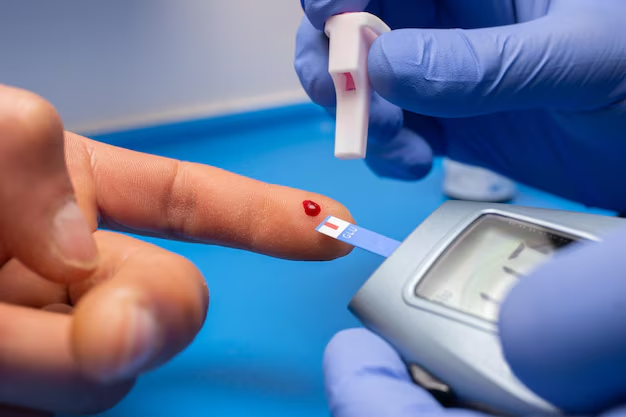
Diabetes Insipidus is classified into two main types:
- Central Diabetes Insipidus: This form occurs due to a deficiency of vasopressin, often caused by damage to the pituitary gland. Causes may include head injuries, tumors, or genetic disorders.
- Nephrogenic Diabetes Insipidus: This type results from the kidneys’ inability to respond to vasopressin, often due to genetic factors, chronic kidney disease, or the use of certain medications.
Symptoms of Diabetes Insipidus
The primary symptoms of DI include:
- Excessive Thirst: A constant feeling of thirst that is difficult to satisfy.
- Frequent Urination: Producing large amounts of dilute urine, which may occur up to 20 times a day.
- Nocturia: Frequent urination during the night.
- Dehydration: Symptoms may include dry skin, fatigue, dizziness, and a rapid heartbeat.
Causes of Diabetes Insipidus
The causes of DI can be varied, including:
- Genetic Factors: Certain genetic conditions can affect the production of vasopressin.
- Head Injury: Damage to the pituitary gland can disrupt hormone production.
- Kidney Issues: Chronic conditions affecting kidney function can lead to nephrogenic DI.
- Medications: Some drugs, especially those that interfere with kidney function, can induce DI.
Ayurvedic Perspective on Diabetes Insipidus
Ayurveda, an ancient Indian system of medicine, views health as a balance between the body, mind, and spirit. The underlying principle of Ayurveda is to treat the root cause of an ailment rather than just the symptoms. In Ayurveda, DI can be understood through the concepts of doshas, dhatus, and malas.
Dosha Imbalance
According to Ayurveda, health is maintained through a balance of three doshas: Vata, Pitta, and Kapha. Each dosha represents different elements and qualities:
- Vata: Associated with air and space, it governs movement and communication.
- Pitta: Related to fire and water, it manages transformation and metabolism.
- Kapha: Linked to earth and water, it provides structure and stability.
In the case of Diabetes Insipidus, an imbalance in the Vata dosha is often observed. Excessive urination and thirst are seen as symptoms of Vata aggravation. The Ayurvedic approach to treatment focuses on pacifying Vata and restoring balance in the body.
Dhatu and Mala Perspective
In Ayurveda, the body is composed of seven dhatus (tissues) and malas (wastes). The urinary system, particularly the Meda dhatu (fat tissue) and Shukra dhatu (reproductive tissue), plays a critical role in maintaining water balance. An imbalance in these dhatus can contribute to symptoms of Diabetes Insipidus.
Ayurvedic Treatment Approaches for Diabetes Insipidus
Dietary Recommendations
Diet plays a crucial role in managing DI in Ayurveda. The following dietary guidelines can help pacify Vata and maintain fluid balance:
- Warm, Cooked Foods: Incorporate warm, nourishing meals to help balance Vata. Avoid raw and cold foods, which can aggravate the dosha.
- Hydrating Foods: Include fruits and vegetables with high water content, such as cucumbers, watermelon, and oranges.
- Healthy Fats: Consume healthy fats like ghee and olive oil, which help lubricate the body and support overall hydration.
- Herbal Teas: Drink herbal teas made with ingredients like cumin, coriander, and fennel, which can aid digestion and hydration.
Herbal Remedies
Ayurveda offers various herbs that can be beneficial for managing Diabetes Insipidus:
- Gokshura (Tribulus terrestris): Known to support kidney function and may help regulate fluid balance.
- Punarnava (Boerhavia diffusa): This herb is believed to support kidney health and help in maintaining hydration.
- Ashwagandha (Withania somnifera): An adaptogen that can help reduce stress and balance Vata, thereby promoting overall well-being.
- Shatavari (Asparagus racemosus): Traditionally used to support reproductive health, it also helps nourish the body and may assist in fluid retention.
Lifestyle Modifications
In addition to dietary changes and herbal remedies, certain lifestyle modifications can be beneficial:
- Regular Routine: Establish a daily routine that includes regular meal times, sleep, and exercise to help regulate the body’s rhythms.
- Stress Management: Practices such as yoga and meditation can help reduce stress, which can contribute to Vata imbalance.
- Hydration: Drink adequate fluids throughout the day, focusing on warm and nourishing liquids to keep the body hydrated.
- Avoiding Caffeine and Alcohol: These substances can exacerbate dehydration and should be limited or avoided.
Panchakarma Therapy
Panchakarma, a detoxification and rejuvenation process in Ayurveda, may also be considered for managing Diabetes Insipidus. This therapy aims to eliminate toxins and restore balance in the body. Some key treatments involved in Panchakarma include:
- Vamana (Therapeutic Vomiting): Helps eliminate excess Kapha and balance doshas.
- Basti (Enema Therapy): Particularly beneficial for Vata disorders, this therapy can help regulate fluid balance.
- Abhyanga (Oil Massage): Regular oil massage can help pacify Vata and improve circulation.
Conclusion
Diabetes Insipidus, though a challenging condition, can be managed effectively through an Ayurvedic approach. By focusing on dietary modifications, herbal remedies, lifestyle changes, and potential detoxification therapies, individuals can work towards restoring balance in their bodies.
It is essential to consult with a qualified Ayurvedic practitioner for personalized treatment and guidance. Integrating Ayurveda with conventional treatments can provide a holistic approach to managing Diabetes Insipidus, enhancing overall well-being and quality of life. As always, maintaining open communication with healthcare providers is crucial for effective management of this condition.
Final Thoughts
Ayurveda offers a comprehensive and natural approach to understanding and managing Diabetes Insipidus. By emphasizing balance and harmony within the body, individuals can take proactive steps towards improving their health and well-being. Remember, your health journey is unique—embrace the wisdom of Ayurveda and allow it to guide you towards a balanced, vibrant life.

About author


Leave a reply