
Understanding Meningitis: An Ayurvedic Perspective
Understanding Meningitis: An Ayurvedic Perspective, an inflammation of the protective membranes covering the brain and spinal cord, can be caused by various pathogens, including bacteria, viruses, and fungi. This condition can lead to serious health complications, making timely diagnosis and treatment critical. While conventional medicine offers a range of treatments, Ayurveda, the ancient Indian system of medicine, presents a holistic approach to managing meningitis, focusing on balance, detoxification, and strengthening the immune system.
What is Meningitis?
Meningitis can be classified into several types, including:
- Bacterial Meningitis: Caused by bacteria such as Neisseria meningitidis and Streptococcus pneumoniae, this type is often severe and can progress rapidly.
- Viral Meningitis: Typically less severe than bacterial meningitis, it is caused by viruses like enteroviruses and is often self-limiting.
- Fungal Meningitis: This type occurs in individuals with weakened immune systems and is caused by fungi such as Cryptococcus.
- Parasitic Meningitis: Rare but can occur from infections like amoebic meningoencephalitis.
Symptoms of Meningitis
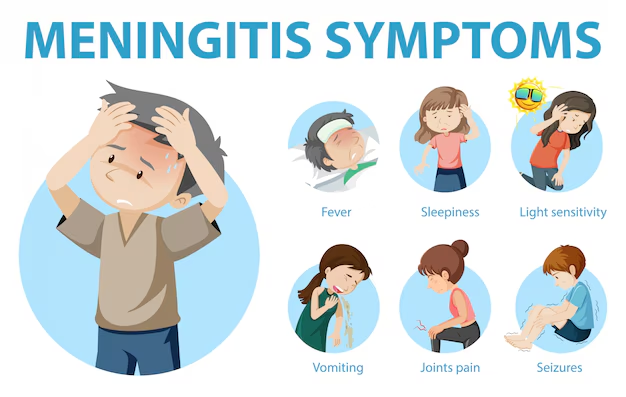
Symptoms can vary based on the type of meningitis but commonly include:
- Severe headache
- Stiff neck
- Fever
- Nausea and vomiting
- Sensitivity to light
- Confusion or altered mental status
In severe cases, it can lead to seizures, coma, or even death.
Ayurvedic Understanding of Meningitis
Ayurveda views health as a balance between the body, mind, and spirit. Illness is seen as a disruption in this balance, often due to an imbalance of the three doshas: Vata, Pitta, and Kapha. Meningitis can be understood through the lens of these doshas.
Dosha Imbalance
- Vata: Characterized by qualities like dryness, coldness, and irregularity. An aggravated Vata may lead to neurological symptoms such as headaches and confusion.
- Pitta: Associated with heat, metabolism, and transformation. An imbalance can manifest as inflammation, fever, and irritability.
- Kapha: Represents stability and structure. Imbalance may lead to sluggishness and heaviness.
In the case of meningitis, it is often the Pitta dosha that becomes predominant due to infection and inflammation, leading to heat in the body. Thus, the treatment approach in Ayurveda focuses on pacifying the Pitta dosha and supporting the body’s natural healing mechanisms.
Ayurvedic Treatment Approaches for Meningitis
Ayurvedic treatment for meningitis should always be approached with caution and under professional guidance. It is crucial to work alongside conventional treatments, especially in acute cases. Here are some general strategies:
1. Dietary Recommendations
Ayurveda emphasizes the importance of a balanced diet tailored to an individual’s dosha. For conditions like meningitis, a Pitta-pacifying diet is recommended:
- Cooling Foods: Include sweet fruits (like melons and pears), leafy greens, and whole grains. Avoid spicy, oily, and acidic foods that can aggravate Pitta.
- Hydration: Stay well-hydrated with cooling herbal teas and water infused with mint or cucumber.
- Avoid Processed Foods: Processed and heavy foods can increase toxins (ama) in the body.
2. Herbal Remedies
Ayurvedic herbs can play a supportive role in managing symptoms and promoting recovery:
- Brahmi (Bacopa monnieri): Known for its neuroprotective properties, Brahmi helps enhance cognitive function and reduce inflammation.
- Ashwagandha (Withania somnifera): This adaptogen supports the immune system and helps combat stress.
- Turmeric (Curcuma longa): With its active compound curcumin, turmeric is a powerful anti-inflammatory and antioxidant agent.
- Licorice (Glycyrrhiza glabra): Helps soothe inflammation and balance the Pitta dosha.
3. Panchakarma (Detoxification)
Panchakarma is a detoxification and rejuvenation process in Ayurveda. Although it may not be advisable during acute meningitis, it can be considered after recovery to restore balance:
- Virechana (Purgation): Helps eliminate excess Pitta from the body.
- Basti (Enema): This therapy nourishes the body and helps balance Vata, which can be useful post-illness.
4. Lifestyle Modifications
In addition to dietary changes and herbal remedies, lifestyle plays a significant role in recovery:
- Rest: Adequate rest is crucial for recovery. The body needs energy to fight off infection.
- Mindfulness and Meditation: Techniques such as yoga and meditation can help reduce stress and promote mental clarity.
- Avoiding Stressors: Minimize exposure to stressful environments and intense mental activity during recovery.
5. Ayurvedic Therapies
Several Ayurvedic treatments can be beneficial:
- Shirodhara: This therapy involves pouring warm oil on the forehead and is believed to calm the mind and alleviate headaches.
- Abhyanga (Oil Massage): Gentle oil massage can promote relaxation and improve circulation.
Conclusion
While meningitis is a serious condition requiring prompt medical attention, Ayurveda offers complementary strategies to support recovery and overall health. By focusing on dietary adjustments, herbal remedies, detoxification, and lifestyle modifications, Ayurveda aims to restore balance and strengthen the body’s defenses.
It’s crucial to remember that Ayurvedic treatments should not replace conventional medical interventions but can serve as supportive measures. Always consult with healthcare professionals before starting any treatment, especially in the case of serious illnesses like meningitis. By combining the best of both worlds, patients may find a more holistic path to recovery and well-being.
In this age of information and holistic approaches to health, understanding and integrating different medical perspectives can empower individuals to take charge of their health. Ayurveda, with its rich traditions and emphasis on balance, offers valuable insights and tools for those navigating the challenges of meningitis and other health issues.


About author




Leave a reply