
Understanding Avocado Allergies Through the Lens of Ayurveda
Understanding Avocado Allergies Through the Lens of Ayurveda has gained immense popularity in recent years, celebrated for its rich nutritional profile and versatility in various dishes. However, some individuals experience adverse reactions to this seemingly benign fruit, which can be quite alarming. In this blog post, we will explore avocado allergies and discuss how Ayurveda, the ancient system of medicine from India, approaches such allergies and their management.
What Are Avocado Allergies?
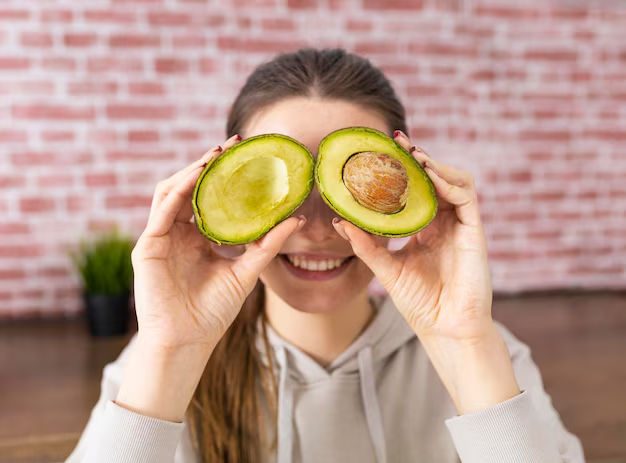
Avocado allergies are a type of food allergy that occurs when the immune system mistakenly identifies proteins in avocados as harmful. This can trigger various symptoms, ranging from mild to severe. Common symptoms include:
- Skin Reactions: Hives, rashes, or swelling
- Respiratory Issues: Nasal congestion, sneezing, asthma-like symptoms
- Gastrointestinal Distress: Nausea, vomiting, or diarrhea
- Anaphylaxis: A severe, life-threatening allergic reaction that requires immediate medical attention
Prevalence of Avocado Allergies
While avocado allergies are not as common as allergies to other foods like peanuts or shellfish, they are becoming more recognized. Some studies suggest that the proteins in avocados are similar to those found in latex, which can cause cross-reactivity in individuals who are allergic to latex. This phenomenon is particularly relevant for individuals working in healthcare or those who have had multiple latex exposures.
Ayurvedic Perspective on Allergies
Ayurveda views health as a balance between the mind, body, and spirit. Allergies, including food allergies like those related to avocado, are seen as imbalances in the body’s doshas—Vata, Pitta, and Kapha. Each dosha has specific qualities and governs different aspects of our physiology.
- Vata Dosha: Associated with air and space, Vata governs movement and communication in the body. An imbalance can lead to issues such as anxiety, dryness, and irregularity.
- Pitta Dosha: Linked to fire and water, Pitta regulates metabolism, digestion, and energy production. An excess can result in inflammation, irritation, and digestive disorders.
- Kapha Dosha: Representing earth and water, Kapha is responsible for stability, structure, and moisture. Imbalance may lead to sluggishness, weight gain, and congestion.
Causes of Allergies in Ayurveda
According to Ayurveda, allergies arise from a combination of factors:
- Poor Digestion (Agni): A weak digestive fire can lead to improper breakdown of food, resulting in the formation of toxins (ama) that contribute to allergic reactions.
- Imbalanced Doshas: A predominance of one dosha may create susceptibility to allergies. For instance, excess Pitta can increase inflammatory responses.
- Environmental Factors: Seasonal changes, pollution, and stress can also play a role in exacerbating allergies.
The Role of Ama
Ama, a key concept in Ayurveda, refers to the toxic byproducts of incomplete digestion. When the digestive system is not functioning optimally, food is not properly metabolized, leading to the accumulation of ama. This toxic build-up can contribute to allergies and other health issues. Thus, the Ayurvedic approach to managing avocado allergies would involve addressing digestion, detoxification, and balancing the doshas.
Managing Avocado Allergies in Ayurveda
Ayurveda offers a holistic approach to managing allergies, focusing on diet, lifestyle changes, and herbal remedies.
Dietary Adjustments
- Elimination Diet: The first step in managing an avocado allergy is to eliminate avocados from your diet. This is crucial to prevent adverse reactions.
- Balancing Foods: Incorporate foods that balance the doshas. For example:
- For Vata: Warm, moist, and grounding foods like cooked grains, root vegetables, and healthy fats (except avocados).
- For Pitta: Cooling foods like leafy greens, sweet fruits, and dairy products to counter inflammation.
- For Kapha: Light, stimulating foods such as legumes, spices, and bitter greens to reduce sluggishness.
- Digestive Support: Include spices like ginger, cumin, and fennel, which aid digestion and help in reducing ama.
Lifestyle Modifications
- Stress Management: Practices such as yoga, meditation, and pranayama can help reduce stress, which is a known contributor to allergic reactions.
- Hydration: Adequate water intake helps in flushing out toxins and supports overall digestion.
- Sleep Hygiene: Ensure you are getting enough restorative sleep to help the body heal and maintain balance.
Herbal Remedies
Ayurveda utilizes various herbs that can support digestion and detoxification, which may help mitigate allergic reactions:
- Triphala: A blend of three fruits (amalaki, bibhitaki, and haritaki) that aids digestion and detoxification.
- Turmeric: Known for its anti-inflammatory properties, turmeric can help reduce symptoms of allergies.
- Ginger: A powerful digestive aid that can help soothe the stomach and reduce nausea.
- Neem: Known for its detoxifying properties, neem can help purify the blood and reduce inflammation.
Consultation with an Ayurvedic Practitioner
For individuals struggling with avocado allergies, consulting an Ayurvedic practitioner is advisable. They can provide personalized recommendations based on your unique constitution (prakriti), current imbalances (vikriti), and overall health goals.
Conclusion
Avocado allergies can be a challenging condition, especially given the fruit’s popularity. However, Ayurveda offers valuable insights into understanding and managing such allergies. By focusing on digestion, detoxification, and balancing the doshas, individuals can work towards alleviating symptoms and achieving a more harmonious state of health.
If you suspect you have an avocado allergy or are experiencing symptoms, it’s essential to seek professional medical advice for diagnosis and treatment. Embracing Ayurvedic principles may complement conventional approaches, leading to a holistic path toward wellness.
In summary, understanding the roots of allergies through Ayurveda can empower individuals to make informed choices, enhance their well-being, and enjoy a balanced life free from the fear of allergic reactions.


About author





Leave a reply