
Understanding Seborrheic Dermatitis and Ayurvedic Treatments
Understanding Seborrheic Dermatitis and Ayurvedic Treatments is a common skin condition characterized by red, flaky, and often itchy patches. It primarily affects areas of the body that are rich in oil glands, such as the scalp, face, and upper back. While conventional treatments often involve antifungal creams and corticosteroids, many individuals seek alternative therapies, including Ayurveda, for a more holistic approach. In this blog, we’ll explore what seborrheic dermatitis is, its causes, symptoms, and how Ayurvedic medicine can provide effective relief.
What is Seborrheic Dermatitis?
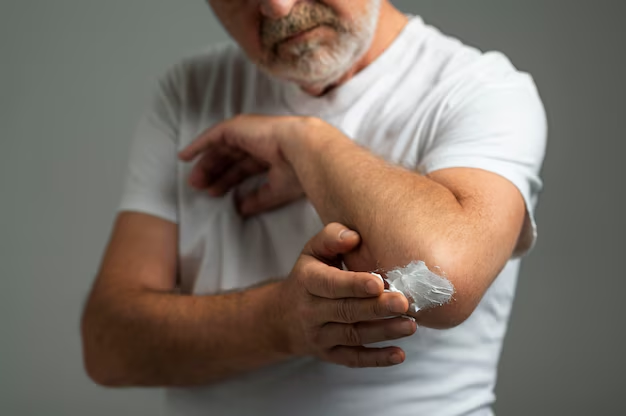
Seborrheic dermatitis is a chronic inflammatory skin condition that typically manifests in adults and infants. In infants, it’s commonly referred to as cradle cap, while in adults, it can appear as dandruff or persistent patches on the scalp and face. The condition may be exacerbated by various factors, including stress, hormonal changes, and weather conditions.
Symptoms
The symptoms of seborrheic dermatitis can vary from mild to severe and may include:
- Red or yellowish patches on the skin
- Greasy scales or flakes
- Itching or burning sensations
- Oily skin in affected areas
- Dandruff on the scalp
Causes
The exact cause of seborrheic dermatitis is not fully understood, but several factors may contribute to its development:
- Malassezia Yeast: This fungus is naturally present on the skin but can become overactive in some individuals, leading to inflammation.
- Genetics: A family history of skin conditions may increase susceptibility.
- Hormonal Changes: Fluctuations in hormones can exacerbate symptoms, especially during puberty and pregnancy.
- Environmental Factors: Weather changes, particularly cold, dry climates, can trigger flare-ups.
Ayurveda and Skin Health
Ayurveda, the ancient Indian system of medicine, emphasizes a holistic approach to health, focusing on the balance of body, mind, and spirit.
Dosha Imbalance
- Vata: Represents air and space; an imbalance can lead to dryness and flakiness.
- Pitta: Represents fire and water; an imbalance often causes inflammation and irritation.
- Kapha: Represents water and earth; an excess can result in oily skin and blockages.
In the case of seborrheic dermatitis, an imbalance, particularly in the Pitta and Kapha doshas, may contribute to symptoms. The goal of Ayurvedic treatment is to restore balance through dietary changes, herbal remedies, and lifestyle adjustments.
Ayurvedic Treatments for Seborrheic Dermatitis
1. Dietary Recommendations
A balanced diet is crucial in managing seborrheic dermatitis. Ayurveda recommends foods that nourish the skin and balance the doshas:
- Pitta-Pacifying Foods: Incorporate cooling foods such as cucumbers, melons, leafy greens, and sweet fruits like pears and apples to help reduce inflammation.
- Avoid Spicy and Oily Foods: These can aggravate Pitta and lead to increased oil production on the skin.
- Hydration: Drink plenty of water and herbal teas to keep the body hydrated, promoting healthy skin.
2. Herbal Remedies
Several herbs in Ayurveda are known for their anti-inflammatory, antifungal, and soothing properties:
- Neem (Azadirachta indica): Known for its antimicrobial properties, neem can help combat the Malassezia yeast. A neem paste can be applied to affected areas or neem oil can be used in a carrier oil.
- Aloe Vera: Its soothing properties make it an excellent remedy for irritated skin. Aloe vera gel can be applied directly to inflamed areas.
- Turmeric (Curcuma longa): With its anti-inflammatory and antimicrobial properties, turmeric can be consumed in food or applied as a paste to affected areas.
3. Topical Treatments
Ayurvedic oils and pastes can be effective in treating seborrheic dermatitis:
- Coconut Oil: A natural moisturizer, coconut oil can help soothe dry skin and has antifungal properties. Applying warm coconut oil to the scalp can reduce flakes and hydrate the skin.
- Sesame Oil: Rich in fatty acids, sesame oil nourishes the skin and can help restore its natural barrier.
4. Lifestyle Changes
Incorporating lifestyle changes can further support skin health:
- Stress Management: Practices such as yoga, meditation, and deep breathing exercises can help reduce stress, a known trigger for seborrheic dermatitis.
- Regular Exfoliation: Gentle exfoliation of the scalp and skin can help remove dead skin cells and prevent the buildup of flakes.
- Adequate Sleep: Ensuring restful sleep helps in the body’s healing processes and balances the doshas.
5. Detoxification
Ayurveda places significant emphasis on detoxifying the body to promote skin health. Gentle detoxification methods, such as Panchakarma, may be beneficial. This involves a series of therapies designed to cleanse the body of toxins and restore balance. Consulting with an Ayurvedic practitioner for personalized guidance is recommended.
Conclusion
Seborrheic dermatitis can be a persistent and uncomfortable condition, but Ayurveda offers a holistic approach to treatment. By addressing dietary habits, incorporating herbal remedies, making lifestyle changes, and focusing on stress management, individuals can find relief from the symptoms of seborrheic dermatitis. It’s essential to consult with a qualified Ayurvedic practitioner for personalized treatment tailored to your unique constitution and symptoms.
Embracing Ayurveda not only helps manage the condition but also promotes overall well-being, encouraging a harmonious balance between body, mind, and spirit. Remember, consistency is key in any treatment plan, and patience is essential as you explore natural remedies for healthier skin.
About author


Leave a reply