
Understanding Keratosis Pilaris and Ayurveda: A Holistic Approach
Understanding Keratosis Pilaris and Ayurveda: A Holistic Approach, often referred to as “chicken skin,” is a common skin condition characterized by small, rough bumps usually found on the arms, thighs, cheeks, and buttocks. While it’s generally harmless and doesn’t require medical treatment, it can be a cosmetic concern for many. In this blog, we’ll explore the causes, symptoms, and conventional treatments of Keratosis Pilaris, and delve into how Ayurveda can provide a holistic approach to managing and improving this condition.
What is Keratosis Pilaris?
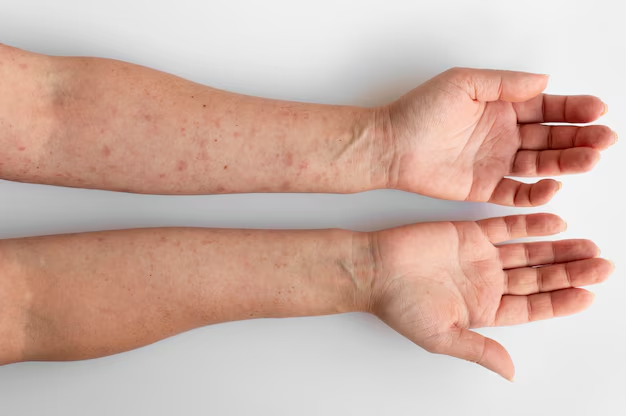
Keratosis Pilaris occurs when keratin, a protein that protects the skin, builds up and forms hard plugs within hair follicles. This blockage leads to the formation of small, raised bumps on the skin’s surface. The condition is common in children and adolescents but can persist into adulthood.
Causes
While the exact cause of Keratosis Pilaris isn’t entirely understood, several factors may contribute:
- Genetics: The condition often runs in families, indicating a genetic predisposition.
- Dry Skin: Individuals with dry skin are more prone to developing the bumps.
- Hormonal Changes: Hormonal fluctuations, particularly during puberty and pregnancy, can exacerbate the condition.
- Other Skin Conditions: Conditions like eczema or ichthyosis can increase the likelihood of Keratosis Pilaris.
Symptoms
The primary symptoms of Keratosis Pilaris include:
- Small, hard bumps on the skin, often red or white
- Dry or rough skin texture
- Itching or irritation in some cases
- Bumps that may worsen during colder months
Conventional Treatments
While there’s no cure for Keratosis Pilaris, various treatments can help improve its appearance:
- Moisturizers: Regular use of hydrating lotions can help reduce dryness and improve skin texture.
- Exfoliants: Products containing alpha hydroxy acids (AHAs) or beta hydroxy acids (BHAs) can help remove dead skin cells and reduce the buildup of keratin.
- Topical Retinoids: These can encourage cell turnover and prevent clogged follicles.
- Laser Therapy: In more severe cases, dermatologists may recommend laser treatments to reduce redness and improve skin texture.
Despite these treatments, many people find that Keratosis Pilaris persists, leading to frustration and a search for alternative remedies.
The Ayurvedic Perspective
Ayurveda, a holistic system of medicine that originated in India over 3,000 years ago, emphasizes balance within the body and nature. According to Ayurvedic principles, skin conditions like Keratosis Pilaris may arise from imbalances in the body’s doshas (Vata, Pitta, and Kapha) and can be influenced by diet, lifestyle, and environmental factors.
Understanding Doshas
- Vata: Associated with air and ether, Vata governs movement and is linked to dryness. An imbalance can lead to dry skin and conditions like Keratosis Pilaris.
- Pitta: Linked to fire and water, Pitta governs metabolism and transformation. An excess of Pitta may cause inflammation and redness in the skin.
- Kapha: Associated with earth and water, Kapha is responsible for structure and moisture. An imbalance may contribute to excess oil and congestion in the skin.
Ayurvedic Causes of Keratosis Pilaris
In Ayurveda, Keratosis Pilaris may be viewed as a manifestation of an imbalance primarily in Vata and Pitta doshas. Dryness and roughness of the skin point to a Vata imbalance, while redness and irritation may indicate heightened Pitta.
Holistic Ayurvedic Treatments
1. Dietary Adjustments
Food plays a crucial role in Ayurveda. To balance Vata and Pitta and improve skin health, consider the following dietary recommendations:
- Hydrating Foods: Include foods high in water content, such as cucumbers, melons, and leafy greens.
- Healthy Fats: Incorporate sources of healthy fats, like avocados, nuts, and seeds, to nourish the skin and combat dryness.
- Cooling Spices: Use cooling spices like coriander, mint, and fennel to balance excess heat in the body.
- Avoid Processed Foods: Limit intake of refined sugars and processed foods that can exacerbate inflammation and imbalance.
2. Herbal Remedies
Several Ayurvedic herbs can help improve skin health and alleviate the symptoms of Keratosis Pilaris:
- Aloe Vera: Known for its soothing properties, aloe vera can be applied topically or consumed in juice form to hydrate and cool the skin.
- Turmeric: With its anti-inflammatory and antioxidant properties, turmeric can help reduce redness and irritation. Consider incorporating it into meals or applying a paste to affected areas.
- Neem: Recognized for its purifying properties, neem can help detoxify the skin. Neem oil or a neem-infused ointment can be effective.
- Brahmi: This herb can help soothe the skin and reduce inflammation. It can be applied topically or taken in capsule form.
3. Lifestyle Practices
In addition to dietary changes and herbal remedies, certain lifestyle practices can help balance the doshas and promote overall skin health:
- Daily Oil Massage (Abhyanga): Massaging the skin with warm, nourishing oils such as sesame or coconut oil can help hydrate the skin and improve circulation. This practice is particularly beneficial for Vata imbalances.
- Regular Exfoliation: Gentle exfoliation with natural scrubs can help remove dead skin cells and prevent clogging of follicles. Consider using a mixture of sugar and honey for a natural scrub.
- Hydration: Drink plenty of water and herbal teas to stay hydrated and support skin health.
4. Mind-Body Connection
Ayurveda recognizes the importance of mental and emotional well-being in physical health. Practices such as yoga, meditation, and mindfulness can help reduce stress, which can exacerbate skin conditions.
Conclusion
Keratosis Pilaris, while benign, can impact self-esteem and confidence. Conventional treatments may provide relief, but they often do not address the underlying imbalances that contribute to the condition. By exploring Ayurveda’s holistic approach, individuals can find effective, natural solutions to improve their skin health.
Integrating dietary changes, herbal remedies, and lifestyle practices can lead to a more balanced body and healthier skin. Remember, each individual is unique, and it’s essential to consult with an Ayurvedic practitioner for personalized recommendations tailored to your specific constitution and needs.
With patience and commitment, you can manage Keratosis Pilaris and cultivate not only healthier skin but a more harmonious relationship with your body and self. often referred to as “chicken skin,” is a common skin condition characterized by small, rough bumps usually found on the arms, thighs, cheeks, and buttocks. While it’s generally harmless and doesn’t require medical treatment, it can be a cosmetic concern for many. In this blog, we’ll explore the causes, symptoms, and conventional treatments of Keratosis Pilaris, and delve into how Ayurveda can provide a holistic approach to managing and improving this condition.
What is Keratosis Pilaris?
Keratosis Pilaris occurs when keratin, a protein that protects the skin, builds up and forms hard plugs within hair follicles. This blockage leads to the formation of small, raised bumps on the skin’s surface. The condition is common in children and adolescents but can persist into adulthood.
Causes
While the exact cause of Keratosis Pilaris isn’t entirely understood, several factors may contribute:
- Genetics: The condition often runs in families, indicating a genetic predisposition.
- Dry Skin: Individuals with dry skin are more prone to developing the bumps.
- Hormonal Changes: Hormonal fluctuations, particularly during puberty and pregnancy, can exacerbate the condition.
- Other Skin Conditions: Conditions like eczema or ichthyosis can increase the likelihood of Keratosis Pilaris.
Symptoms
The primary symptoms of Keratosis Pilaris include:
- Small, hard bumps on the skin, often red or white
- Dry or rough skin texture
- Itching or irritation in some cases
- Bumps that may worsen during colder months
Conventional Treatments
While there’s no cure for Keratosis Pilaris, various treatments can help improve its appearance:
- Moisturizers: Regular use of hydrating lotions can help reduce dryness and improve skin texture.
- Exfoliants: Products containing alpha hydroxy acids (AHAs) or beta hydroxy acids (BHAs) can help remove dead skin cells and reduce the buildup of keratin.
- Topical Retinoids: These can encourage cell turnover and prevent clogged follicles.
- Laser Therapy: In more severe cases, dermatologists may recommend laser treatments to reduce redness and improve skin texture.
Despite these treatments, many people find that Keratosis Pilaris persists, leading to frustration and a search for alternative remedies.
The Ayurvedic Perspective
Ayurveda, a holistic system of medicine that originated in India over 3,000 years ago, emphasizes balance within the body and nature. According to Ayurvedic principles, skin conditions like Keratosis Pilaris may arise from imbalances in the body’s doshas (Vata, Pitta, and Kapha) and can be influenced by diet, lifestyle, and environmental factors.
Understanding Doshas
- Vata: Associated with air and ether, Vata governs movement and is linked to dryness. An imbalance can lead to dry skin and conditions like Keratosis Pilaris.
- Pitta: Linked to fire and water, Pitta governs metabolism and transformation. An excess of Pitta may cause inflammation and redness in the skin.
- Kapha: Associated with earth and water, Kapha is responsible for structure and moisture. An imbalance may contribute to excess oil and congestion in the skin.
Ayurvedic Causes of Keratosis Pilaris
In Ayurveda, Keratosis Pilaris may be viewed as a manifestation of an imbalance primarily in Vata and Pitta doshas. Dryness and roughness of the skin point to a Vata imbalance, while redness and irritation may indicate heightened Pitta.
Holistic Ayurvedic Treatments
1. Dietary Adjustments
Food plays a crucial role in Ayurveda. To balance Vata and Pitta and improve skin health, consider the following dietary recommendations:
- Hydrating Foods: Include foods high in water content, such as cucumbers, melons, and leafy greens.
- Healthy Fats: Incorporate sources of healthy fats, like avocados, nuts, and seeds, to nourish the skin and combat dryness.
- Cooling Spices: Use cooling spices like coriander, mint, and fennel to balance excess heat in the body.
- Avoid Processed Foods: Limit intake of refined sugars and processed foods that can exacerbate inflammation and imbalance.
2. Herbal Remedies
Several Ayurvedic herbs can help improve skin health and alleviate the symptoms of Keratosis Pilaris:
- Aloe Vera: Known for its soothing properties, aloe vera can be applied topically or consumed in juice form to hydrate and cool the skin.
- Turmeric: With its anti-inflammatory and antioxidant properties, turmeric can help reduce redness and irritation. Consider incorporating it into meals or applying a paste to affected areas.
- Neem: Recognized for its purifying properties, neem can help detoxify the skin. Neem oil or a neem-infused ointment can be effective.
- Brahmi: This herb can help soothe the skin and reduce inflammation. It can be applied topically or taken in capsule form.
3. Lifestyle Practices
In addition to dietary changes and herbal remedies, certain lifestyle practices can help balance the doshas and promote overall skin health:
- Daily Oil Massage (Abhyanga): Massaging the skin with warm, nourishing oils such as sesame or coconut oil can help hydrate the skin and improve circulation. This practice is particularly beneficial for Vata imbalances.
- Regular Exfoliation: Gentle exfoliation with natural scrubs can help remove dead skin cells and prevent clogging of follicles. Consider using a mixture of sugar and honey for a natural scrub.
- Hydration: Drink plenty of water and herbal teas to stay hydrated and support skin health.
4. Mind-Body Connection
Ayurveda recognizes the importance of mental and emotional well-being in physical health. Practices such as yoga, meditation, and mindfulness can help reduce stress, which can exacerbate skin conditions.
Conclusion
Understanding Keratosis Pilaris and Ayurveda: A Holistic Approach, while benign, can impact self-esteem and confidence. Conventional treatments may provide relief, but they often do not address the underlying imbalances that contribute to the condition. By exploring Ayurveda’s holistic approach, individuals can find effective, natural solutions to improve their skin health.
Integrating dietary changes, herbal remedies, and lifestyle practices can lead to a more balanced body and healthier skin. Remember, each individual is unique, and it’s essential to consult with an Ayurvedic practitioner for personalized recommendations tailored to your specific constitution and needs.
With patience and commitment, you can manage Keratosis Pilaris and cultivate not only healthier skin but a more harmonious relationship with your body and self.
About author



Leave a reply