
Understanding and Treating Ringworm with Ayurveda
Understanding and Treating Ringworm with Ayurveda, despite its misleading name, is not caused by a worm but is a common fungal infection. Its medical term is tinea, and it can affect various parts of the body, leading to discomfort and embarrassment. In this blog, we will explore ringworm from an Ayurvedic perspective, discussing its causes, symptoms, and effective natural remedies to manage and treat this condition.
What is Ringworm?
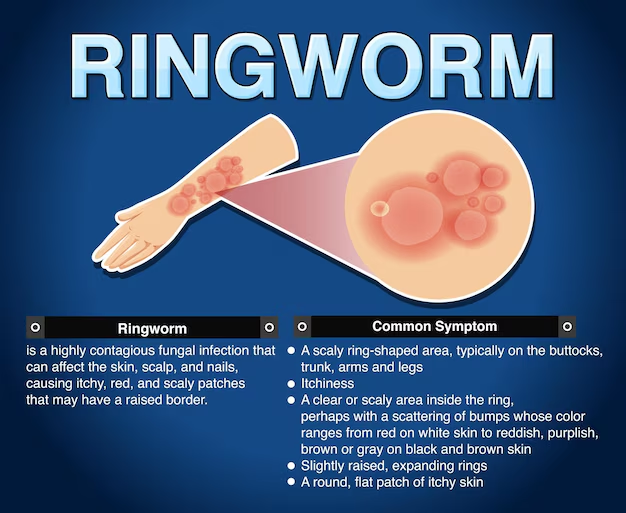
Ringworm manifests as red, itchy patches on the skin, often with a ring-like appearance. It is contagious and can spread through direct contact with infected individuals, contaminated surfaces, or animals. Common types of ringworm include:
- Tinea corporis: Affects the body.
- Tinea capitis: Affects the scalp.
- Tinea pedis: Known as athlete’s foot.
- Tinea cruris: Affects the groin area.
Symptoms of Ringworm
Symptoms can vary depending on the location of the infection but typically include:
- Red, circular rashes
- Itching and irritation
- Scaling or flaking skin
- Hair loss (in cases of scalp infection)
Causes of Ringworm
Ringworm is caused by dermatophytes, a group of fungi that thrive on keratin found in skin, hair, and nails. Factors that contribute to its development include:
- Warm and humid environments: Fungi thrive in these conditions.
- Poor hygiene: Inadequate washing can lead to fungal build-up.
- Weakened immune system: Conditions like diabetes or autoimmune disorders make individuals more susceptible.
- Close contact with infected individuals: Sharing personal items or skin-to-skin contact can spread the infection.
Ayurvedic Perspective on Ringworm
Ayurveda, the ancient system of medicine from India, emphasizes a holistic approach to health, focusing on balancing the body’s energies (doshas).
Dosha Imbalance and Ringworm
- Pitta Dosha: Associated with heat and metabolism, an excess of Pitta can lead to inflammatory skin conditions.
- Kapha Dosha: Related to moisture and structure, an excess of Kapha can cause stagnation, leading to fungal growth.
In treating ringworm, Ayurveda aims to restore balance by addressing both the internal and external factors contributing to the condition.
Ayurvedic Remedies for Ringworm
1. Herbal Treatments
Several herbs are effective in treating ringworm and promoting skin health:
- Neem (Azadirachta indica): Known for its antifungal and antibacterial properties, neem can be used as a paste or in oil form. Applying neem oil directly to the affected area helps alleviate itching and reduces fungal growth.
- Turmeric (Curcuma longa): Turmeric is renowned for its anti-inflammatory and antiseptic properties. A paste made from turmeric powder and water can be applied to the infected area. The active compound, curcumin, helps combat fungal infections.
- Tulsi (Holy Basil): Tulsi has strong antimicrobial properties. A paste made from fresh tulsi leaves can be applied to the skin to reduce inflammation and fight infection.
- Aloe Vera: Aloe vera gel has soothing properties and can help in healing the skin. Applying fresh aloe vera gel on the affected area can reduce itching and promote healing.
2. Dietary Adjustments
Diet plays a crucial role in maintaining balance within the body. To support recovery from ringworm, consider the following dietary tips:
- Avoid processed foods: Processed and sugary foods can exacerbate inflammation and contribute to fungal growth.
- Incorporate anti-inflammatory foods: Foods like ginger, garlic, and leafy greens can help reduce inflammation and support the immune system.
- Stay hydrated: Drink plenty of water to help flush out toxins and keep the skin hydrated.
3. Detoxification
Ayurveda emphasizes the importance of detoxifying the body to restore balance. Techniques like Panchakarma, a series of detoxification treatments, can be beneficial. While this should be done under the guidance of a qualified Ayurvedic practitioner, general practices like steam baths and herbal infusions can help purify the body and improve skin health.
4. Lifestyle Changes
In addition to herbal remedies and dietary changes, adopting certain lifestyle practices can help prevent and treat ringworm:
- Maintain personal hygiene: Regular bathing and changing clothes, especially after sweating, can reduce the risk of fungal infections.
- Wear breathable clothing: Opt for loose-fitting, breathable fabrics to minimize moisture buildup.
- Avoid sharing personal items: This includes towels, combs, and clothing, as ringworm is highly contagious.
5. Stress Management
Stress can weaken the immune system, making the body more susceptible to infections. Incorporating stress-reducing practices into your daily routine can be beneficial:
- Yoga and Meditation: These practices help in calming the mind and balancing the doshas, promoting overall well-being.
- Adequate Sleep: Ensuring sufficient rest is vital for immune function and recovery.
When to Seek Medical Attention
While Ayurvedic remedies can be effective, it’s essential to monitor the condition closely. If you notice any of the following, seek medical attention:
- Symptoms persist for more than two weeks despite treatment.
- The infection spreads or worsens.
- There are signs of secondary bacterial infection (increased redness, swelling, pus).
Conclusion
Understanding and Treating Ringworm with Ayurveda is a common yet manageable condition. By understanding its causes and symptoms, you can take proactive steps to treat and prevent it. Ayurveda offers a holistic approach to healing that emphasizes natural remedies, dietary adjustments, and lifestyle changes.
Incorporating these practices can help restore balance to your body and promote overall health. However, it’s crucial to remember that while Ayurvedic treatments can be effective, they should complement conventional medical advice. If symptoms persist, always consult with a healthcare professional to ensure proper diagnosis and treatment.
Embrace the wisdom of Ayurveda, and take control of your skin health today!


About author





Leave a reply