
Understanding Spina Bifida: Insights from Ayurveda
Understanding Spina Bifida: Insights from Ayurveda a congenital condition characterized by the incomplete development of the spinal cord or its coverings, affects many individuals worldwide. It can lead to a range of physical and neurological challenges, necessitating comprehensive care. While conventional medicine offers various treatments, many people are exploring complementary approaches like Ayurveda. This ancient system of medicine from India provides a holistic framework that can help manage symptoms and improve quality of life for individuals with spina bifida. In this blog, we will delve into the principles of Ayurveda, its perspective on spina bifida, and potential therapeutic interventions.
What is Spina Bifida?
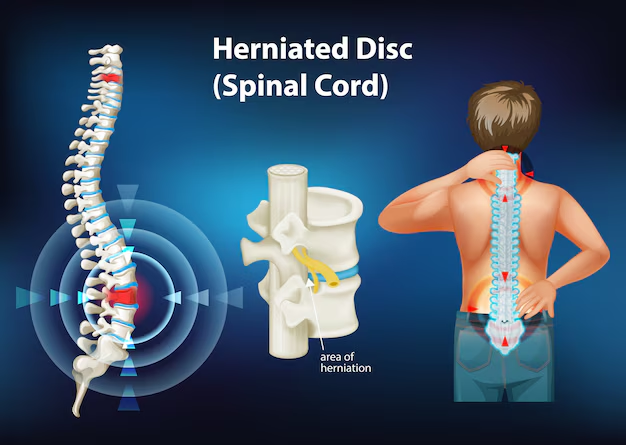
Spina bifida occurs when the neural tube, which forms the spine and surrounding tissues, fails to close completely during fetal development. The severity of the condition varies, with different types:
- Spina Bifida Occulta: The mildest form, where there is a small defect in the spine but little to no symptoms.
- Meningocele: The protective membranes around the spinal cord protrude through the opening in the vertebrae, which may or may not affect neurological function.
- Myelomeningocele: The most severe form, where the spinal cord itself is exposed through the defect, leading to significant disabilities and health complications.
The symptoms of spina bifida can include mobility issues, bladder and bowel dysfunction, and learning disabilities. Addressing these challenges often requires a multidisciplinary approach involving physical therapy, surgery, and ongoing medical care.
Ayurveda: An Overview
Ayurveda, meaning “the science of life,” is a holistic healing system that has been practiced for over 5,000 years. It emphasizes balance among the body, mind, and spirit, using natural remedies and lifestyle modifications to promote health and prevent disease. The core concepts of Ayurveda include:
- Doshas: The three vital energies (Vata, Pitta, and Kapha) that govern physiological and psychological processes. Each person has a unique balance of these doshas.
- Prakriti: An individual’s constitution, which is determined at birth and influences their physical and mental characteristics.
- Srotas: The channels through which substances flow in the body, including the circulatory, digestive, and nervous systems.
- Agni: The digestive fire that governs metabolism and transformation in the body.
Ayurvedic Perspective on Spina Bifida
From an Ayurvedic standpoint, spina bifida can be seen as an imbalance in the doshas, particularly Vata, which is responsible for movement and nerve function. Anomalies in the development of the spinal cord may be linked to the improper formation of the srotas, leading to disrupted energy flow and organ function.
Causes and Contributing Factors
Ayurveda identifies various factors that may contribute to the development of congenital conditions like spina bifida, including:
- Genetic Predisposition: Family history and genetic factors play a role in the likelihood of congenital anomalies.
- Maternal Health: Poor maternal nutrition, excessive stress, and exposure to environmental toxins during pregnancy can negatively impact fetal development.
- Imbalanced Doshas: An excess of Vata during conception and pregnancy can lead to developmental issues.
Ayurvedic Treatments for Spina Bifida
While Ayurveda cannot cure spina bifida, it can offer supportive care to alleviate symptoms and improve quality of life. Here are several Ayurvedic approaches that may be beneficial:
1. Diet and Nutrition
Nutrition is a cornerstone of Ayurvedic practice. A well-balanced diet tailored to an individual’s dosha can support overall health and development. Key dietary recommendations may include:
- Nourishing Foods: Include warm, grounding foods that pacify Vata, such as whole grains (like rice and oats), healthy fats (like ghee and olive oil), and cooked vegetables.
- Iron and Folate: Ensure adequate intake of iron and folate, which are crucial during pregnancy to prevent neural tube defects. Foods rich in folate include leafy greens, lentils, and citrus fruits.
- Hydration: Staying hydrated is essential to maintain proper bodily functions. Herbal teas and warm water are good choices.
2. Herbal Remedies
Ayurvedic herbs can play a supportive role in managing symptoms associated with spina bifida. Some beneficial herbs may include:
- Ashwagandha (Withania somnifera): Known for its adaptogenic properties, it can help reduce stress and improve vitality.
- Brahmi (Bacopa monnieri): This herb is renowned for enhancing cognitive function and may aid individuals with learning disabilities.
- Turmeric (Curcuma longa): With its anti-inflammatory properties, turmeric can help manage pain and support overall health.
3. Massage and Bodywork
Abhyanga, or Ayurvedic oil massage, can be particularly beneficial for individuals with spina bifida. The gentle manipulation of muscles and tissues helps to:
- Increase Circulation: Improved blood flow can enhance nutrient delivery and waste removal.
- Reduce Muscle Tension: Regular massage can alleviate muscle stiffness and promote relaxation.
- Enhance Mobility: It may improve joint flexibility and range of motion, which can be crucial for mobility.
4. Yoga and Movement Therapies
Yoga is a vital aspect of Ayurvedic practice and can be adapted to suit the needs of individuals with spina bifida. Some benefits of yoga include:
- Strengthening Muscles: Specific poses can help strengthen the core and support muscles, promoting better posture and balance.
- Enhancing Flexibility: Gentle stretching can improve flexibility and reduce stiffness.
- Promoting Relaxation: Breathing exercises and meditation can help manage stress and anxiety.
5. Lifestyle Modifications
Implementing lifestyle changes can further support individuals with spina bifida. Some recommendations include:
- Routine: Establishing a daily routine can help create stability and predictability, which is beneficial for mental well-being.
- Stress Management: Techniques such as meditation, mindfulness, and deep breathing can help manage stress levels.
- Sleep Hygiene: Ensuring adequate sleep is crucial for overall health and recovery.
6. Psychological Support
Mental and emotional health is vital for individuals with spina bifida. Ayurveda recognizes the connection between mind and body, emphasizing the need for a balanced mental state. Engaging in therapy, counseling, or support groups can be beneficial for individuals and their families.
Integrating Ayurveda with Conventional Care
It’s essential to approach the management of spina bifida with a collaborative mindset. Integrating Ayurvedic practices with conventional medical care can provide a well-rounded approach to health. Always consult with healthcare providers before making significant changes to treatment plans.
Conclusion
Spina bifida presents unique challenges that require comprehensive care. While Ayurveda cannot cure this condition, it offers valuable insights and supportive therapies that can enhance the quality of life for individuals affected by it. By focusing on diet, herbal remedies, bodywork, and lifestyle modifications, Ayurveda seeks to promote balance and well-being. As always, a collaborative approach with healthcare professionals ensures that individuals receive the best care tailored to their unique needs.
Through the lens of Ayurveda, individuals with spina bifida can find hope and a holistic path toward health, encouraging a journey of empowerment and resilience.

About author




Leave a reply