
Understanding Tay-Sachs Disease and the Ayurvedic Perspective
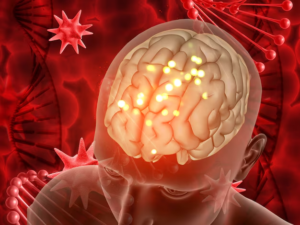
Understanding Tay-Sachs Disease and the Ayurvedic Perspective is a rare genetic disorder that affects the nervous system. It is caused by a deficiency of the enzyme Hexosaminidase A (Hex-A), which is crucial for breaking down GM2 gangliosides, a type of fatty substance in the brain. The accumulation of GM2 gangliosides leads to progressive neurological damage, resulting in severe symptoms and a reduced lifespan. While conventional medicine offers limited options for treatment, exploring holistic approaches like Ayurveda can provide additional support for affected individuals and their families.
What is Tay-Sachs Disease?
Tay-Sachs disease is an autosomal recessive disorder, meaning that a child must inherit two copies of the faulty gene (one from each parent) to develop the condition. It primarily affects infants, with symptoms usually appearing around six months of age. Common signs include:
- Loss of motor skills
- Increased startle response
- Seizures
- Vision and hearing loss
- Muscle weakness
- Difficulty swallowing
The prognosis for Tay-Sachs is generally poor, with most affected children not living beyond early childhood. Given the devastating nature of the disease, families often seek alternative approaches to manage symptoms and improve quality of life.
Ayurveda: A Holistic Approach

Ayurveda, a traditional system of medicine originating in India, emphasizes a holistic approach to health. It views the body, mind, and spirit as interconnected and believes that balance among these aspects is essential for well-being. Ayurvedic treatment is tailored to the individual, taking into account their unique constitution (Prakriti) and any imbalances (Vikriti).
Key Concepts in Ayurveda
- Doshas: Ayurveda identifies three primary energies—Vata, Pitta, and Kapha—that govern physiological functions. Each person has a unique combination of these doshas, which influences their health.
- Agni: This refers to the digestive fire that transforms food into energy. A balanced Agni is crucial for maintaining health.
- Samskara: The concept of conditioning or imprinting that affects a person’s physical, mental, and emotional state.
- Prakriti and Vikriti: Prakriti is an individual’s natural state, while Vikriti represents the current state of imbalance. Understanding these helps in creating a personalized treatment plan.
Ayurvedic Approach to Tay-Sachs Disease
While Ayurveda cannot cure Tay-Sachs disease, it can offer supportive measures to improve the quality of life for affected individuals. The focus is on enhancing overall well-being, managing symptoms, and providing comfort.
1. Diet and Nutrition
In Ayurveda, diet plays a crucial role in health. A balanced diet tailored to the individual’s dosha can support overall well-being. For individuals with Tay-Sachs, focusing on easily digestible, nutrient-dense foods can be beneficial. Here are some dietary suggestions:
- Warm, cooked foods: These are easier to digest and can help maintain Agni.
- Healthy fats: Incorporating ghee and coconut oil can provide essential fatty acids and support brain health.
- Fruits and vegetables: Opt for fresh, organic produce to ensure nutrient density. Foods like sweet potatoes, spinach, and avocados can be particularly nourishing.
- Herbal supplements: Certain herbs, such as Ashwagandha and Brahmi, may support cognitive function and overall health. However, any herbal regimen should be discussed with a qualified Ayurvedic practitioner.
2. Lifestyle Modifications
A balanced lifestyle is crucial in managing health. For families dealing with Tay-Sachs, stress management and emotional support can significantly impact quality of life. Consider the following:
- Daily routine: Establishing a consistent daily routine can provide stability and predictability, which is beneficial for both the affected child and their caregivers.
- Mindfulness practices: Techniques such as meditation, yoga, and pranayama (breath control) can help reduce stress and promote emotional well-being.
- Family support: Encouraging family involvement in care can foster a supportive environment, enhancing emotional resilience for everyone involved.
3. Therapeutic Treatments
Ayurveda offers various therapeutic treatments that can complement conventional care. Some methods include:
- Abhyanga (oil massage): This traditional full-body massage with warm oils can help improve circulation, relieve tension, and promote relaxation.
- Shirodhara: A therapy involving the pouring of warm oil on the forehead, which may help soothe the nervous system and promote relaxation.
- Panchakarma: A detoxification and rejuvenation program that may assist in restoring balance and improving overall health.
4. Emotional and Spiritual Support
Tay-Sachs disease can be emotionally taxing for families. Ayurveda recognizes the importance of mental and spiritual well-being:
- Counseling and support groups: Connecting with others facing similar challenges can provide valuable emotional support.
- Spiritual practices: Engaging in spiritual or religious practices can offer comfort and peace during difficult times. This could include prayer, meditation, or rituals that resonate with the family’s beliefs.
The Importance of Collaboration
Integrating Ayurveda with conventional medical care requires collaboration between healthcare providers. Families should work closely with their medical team while exploring Ayurvedic options to ensure a comprehensive approach to care.
1. Open Communication
Maintaining open communication with healthcare providers is crucial. Families should discuss their interest in Ayurvedic treatments and seek guidance on how to integrate these practices safely.
2. Monitoring Progress
Regularly monitoring the child’s condition is essential. Families can work with both conventional and Ayurvedic practitioners to track any changes and adjust treatment plans accordingly.
Conclusion
Tay-Sachs disease presents significant challenges for affected individuals and their families. While conventional medicine focuses primarily on management and supportive care, Ayurveda offers a holistic perspective that can complement traditional approaches. By addressing diet, lifestyle, therapeutic treatments, and emotional well-being, Ayurveda can provide valuable support for those navigating the complexities of this devastating condition.
Incorporating Ayurvedic principles requires careful consideration and collaboration with healthcare providers. Families are encouraged to seek guidance from qualified Ayurvedic practitioners who can tailor recommendations to the individual’s unique needs.
Though Tay-Sachs remains a challenging diagnosis, exploring holistic options can empower families and enhance the quality of life for those affected. Emphasizing balance, well-being, and compassion can create a supportive environment during this difficult journey.

About author



Leave a reply