
Understanding Peripheral Artery Disease (PAD) and Ayurvedic Approaches to Management
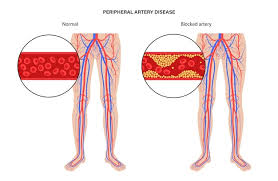
Understanding Peripheral Artery Disease (PAD) and Ayurvedic Approaches to Management is a common circulatory problem characterized by narrowed arteries, which reduces blood flow to the limbs, particularly the legs. This condition can lead to pain, ulcers, and even gangrene in severe cases. While conventional medicine offers various treatments, many are turning to Ayurveda for a holistic approach to managing PAD.
What is Peripheral Artery Disease?
PAD occurs when the arteries become narrowed due to plaque buildup, a condition known as atherosclerosis. This can result from several risk factors, including:
- High cholesterol
- High blood pressure
- Smoking
- Diabetes
- Obesity
- Sedentary lifestyle
- Family history of cardiovascular diseases
Symptoms of PAD can include:
- Leg pain or cramping during physical activities
- Numbness or weakness in the legs
- Coldness in the lower leg or foot
- Sores or wounds on the toes, feet, or legs that do not heal
The Ayurvedic Perspective on PAD
Ayurveda, the ancient Indian system of medicine, offers a comprehensive approach to health and wellness. It focuses on balancing the body, mind, and spirit, using natural remedies and lifestyle modifications.
Dosha Imbalance and PAD
According to Ayurveda, health issues often arise from an imbalance in the body’s three doshas: Vata, Pitta, and Kapha. In the case of PAD, the imbalance typically involves:
- Vata Dosha: Excess Vata can lead to poor circulation and dryness, which can exacerbate PAD symptoms.
- Kapha Dosha: An increase in Kapha can contribute to the formation of blockages in the arteries due to excess mucus and sluggishness.
Ayurvedic Remedies for PAD
Ayurvedic treatment for PAD focuses on detoxification, improving circulation, and enhancing overall well-being. Here are several strategies and remedies:
1. Dietary Modifications
Diet plays a crucial role in managing PAD. An Ayurvedic diet emphasizes:
- Anti-inflammatory Foods: Incorporate spices like turmeric and ginger, which have anti-inflammatory properties.
- Healthy Fats: Include sources of omega-3 fatty acids, such as flaxseeds, walnuts, and fatty fish, to promote heart health.
- Fruits and Vegetables: Consume a variety of colorful fruits and vegetables rich in antioxidants to combat oxidative stress.
- Whole Grains: Opt for whole grains like quinoa, barley, and brown rice over refined grains to support healthy cholesterol levels.
2. Herbal Remedies
Several herbs are known for their ability to enhance circulation and support vascular health:
- Guggul (Commiphora mukul): Known for its cholesterol-lowering properties, Guggul helps reduce plaque buildup in the arteries.
- Turmeric (Curcuma longa): Contains curcumin, which improves blood flow and has anti-inflammatory effects.
- Garlic (Allium sativum): Promotes circulation and has blood-thinning properties, which can help prevent blood clots.
- Ashwagandha (Withania somnifera): Known to reduce stress and promote overall vitality, aiding in recovery and well-being.
3. Lifestyle Changes
In Ayurveda, lifestyle adjustments are essential for maintaining balance and health:
- Regular Exercise: Gentle activities like walking, yoga, and swimming can improve circulation and reduce symptoms.
- Stress Management: Techniques such as meditation, deep breathing, and mindfulness can help manage stress, which is crucial for overall cardiovascular health.
- Adequate Sleep: Quality sleep is essential for recovery and maintaining hormonal balance.
4. Panchakarma Therapy
Panchakarma, a detoxification process in Ayurveda, can be beneficial for individuals with PAD. This therapy involves five key procedures to cleanse the body of toxins:
- Vamana: Therapeutic vomiting to eliminate excess mucus.
- Virechana: Purgation to cleanse the intestines.
- Basti: Enema therapy to cleanse the colon and improve digestive health.
- Raktamokshana: Bloodletting, which can help in reducing blood stagnation.
- Nasya: Nasal therapy to clear sinus passages and enhance respiratory health.
Case Studies and Anecdotal Evidence
While scientific studies on Ayurveda’s impact on PAD are limited, numerous anecdotal accounts highlight its effectiveness. Patients often report significant improvements in circulation, reduction in pain, and overall enhanced quality of life following Ayurvedic treatments.
Integrating Ayurveda with Conventional Medicine
It’s essential for individuals with PAD to consult healthcare professionals before beginning any new treatment, including Ayurvedic practices. Combining Ayurvedic methods with conventional treatments can provide a holistic approach to managing the condition.
- Regular Monitoring: Regular check-ups with healthcare providers to monitor PAD progression and adjust treatments as necessary.
- Medication Adherence: Following prescribed medications for blood pressure, cholesterol, and blood sugar control is crucial.
Conclusion
Understanding Peripheral Artery Disease (PAD) and Ayurvedic Approaches to Management is a serious condition that requires a comprehensive approach to management. Ayurveda offers valuable tools for improving circulation and overall health through dietary changes, herbal remedies, and lifestyle modifications. By adopting a holistic perspective and integrating these practices into their care, individuals with PAD may find relief from symptoms and improve their quality of life.
As always, it’s vital to work with healthcare professionals to ensure a safe and effective treatment plan tailored to individual needs. With the right combination of conventional and Ayurvedic strategies, managing PAD can become a more achievable goal, paving the way for healthier, more active living.

About author


Leave a reply