
Understanding Neurofibromatosis and Ayurvedic Approaches
Understanding Neurofibromatosis and Ayurvedic Approaches is a genetic disorder characterized by the growth of tumors on nerves and skin, along with a variety of other symptoms. This condition affects approximately 1 in 3,000 individuals, and it has significant implications for those diagnosed with it. There are three types of neurofibromatosis: NF1, NF2, and schwannomatosis, each with its own distinct features. While conventional medicine often focuses on managing symptoms and complications, many people are turning to alternative therapies, including Ayurveda, for holistic support.
What is Neurofibromatosis?
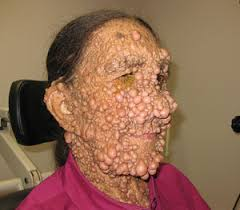
Types of Neurofibromatosis
- Neurofibromatosis Type 1 (NF1): This is the most common type, characterized by café-au-lait spots, neurofibromas (benign tumors), and learning disabilities. NF1 is caused by mutations in the NF1 gene on chromosome 17.
- Neurofibromatosis Type 2 (NF2): This rarer form is marked by the development of bilateral vestibular schwannomas, leading to hearing loss and balance issues. NF2 is linked to mutations in the NF2 gene on chromosome 22.
- Schwannomatosis: This type usually presents with multiple schwannomas, which can cause pain but typically do not lead to significant neurological deficits.
Symptoms and Complications
Common symptoms of neurofibromatosis include:
- Skin lesions (neurofibromas, café-au-lait spots)
- Tumors on peripheral nerves
- Scoliosis or other skeletal abnormalities
- Vision problems
- Learning difficulties
Complications can vary widely among individuals, and management often requires a multidisciplinary approach involving neurologists, dermatologists, and other specialists.
The Role of Ayurveda in Managing Neurofibromatosis
Ayurveda, a traditional Indian system of medicine, offers a holistic approach to health and wellness. It emphasizes balancing the body’s energies (doshas), lifestyle modifications, dietary practices, and herbal remedies. For individuals with neurofibromatosis, Ayurvedic treatments can support overall well-being and alleviate some symptoms.
Key Principles of Ayurveda
- Dosha Balance: Ayurveda is based on three doshas—Vata, Pitta, and Kapha. Each person has a unique constitution, and imbalances can lead to health issues. Identifying an individual’s dosha is crucial for personalized treatment.
- Diet and Nutrition: An Ayurvedic diet focuses on whole foods that are appropriate for the individual’s dosha. It emphasizes seasonal eating and includes a variety of fruits, vegetables, grains, and spices.
- Herbal Remedies: Ayurvedic practitioners utilize various herbs and plants that possess therapeutic properties to manage symptoms and enhance overall health.
- Lifestyle Changes: Stress management, yoga, meditation, and adequate sleep are essential components of Ayurvedic practice that can improve quality of life.
Ayurvedic Herbs for Neurofibromatosis
Several herbs in Ayurveda may offer benefits for individuals with neurofibromatosis. Some of these include:
- Ashwagandha (Withania somnifera): Known for its adaptogenic properties, ashwagandha can help reduce stress and anxiety, which may be beneficial for individuals dealing with the psychological impact of neurofibromatosis.
- Turmeric (Curcuma longa): Curcumin, the active compound in turmeric, has anti-inflammatory and antioxidant properties. It may help reduce inflammation in the body and support overall health.
- Brahmi (Bacopa monnieri): This herb is known for its cognitive-enhancing effects. It can support mental clarity and improve memory, which can be particularly helpful for those with learning difficulties associated with NF1.
- Neem (Azadirachta indica): Neem has detoxifying and antibacterial properties. It may help improve skin health and reduce the incidence of infections that can occur with skin lesions.
- Guggul (Commiphora mukul): Guggul is often used in Ayurveda for its anti-inflammatory properties. It may help manage some of the pain associated with neurofibromas.
Lifestyle Recommendations
In addition to herbal remedies, lifestyle changes can significantly impact the quality of life for individuals with neurofibromatosis:
- Stress Management: Techniques such as yoga and meditation can help reduce stress and anxiety, contributing to better mental and physical health.
- Dietary Adjustments: A balanced diet tailored to an individual’s dosha can enhance immunity and overall well-being. Incorporating anti-inflammatory foods, such as leafy greens, nuts, and healthy fats, may be particularly beneficial.
- Regular Exercise: Engaging in regular physical activity can improve circulation, reduce stress, and enhance overall vitality. Gentle forms of exercise, such as walking, swimming, or yoga, are recommended.
- Adequate Sleep: Prioritizing good sleep hygiene can help support the body’s healing processes and improve mental clarity.
Integrating Ayurveda with Conventional Medicine
It’s crucial to approach the management of neurofibromatosis through a collaborative lens. While Ayurvedic remedies can provide complementary support, they should not replace conventional medical treatments. Regular consultations with healthcare professionals, including neurologists and Ayurvedic practitioners, are essential to ensure a comprehensive treatment plan.
Case Studies and Anecdotal Evidence
While scientific research on Ayurveda specifically for neurofibromatosis is limited, there are numerous anecdotal reports from individuals who have found relief through Ayurvedic practices. Many patients report improved skin health, reduced stress levels, and better overall well-being after integrating Ayurvedic principles into their lives.
Conclusion
Neurofibromatosis presents a range of challenges for those affected, but a holistic approach through Ayurveda can offer valuable support. By focusing on balancing the body’s energies, incorporating beneficial herbs, and making lifestyle adjustments, individuals can enhance their quality of life. However, it’s essential to combine these practices with conventional medical treatments and maintain open communication with healthcare providers. As research in both conventional and alternative medicine continues to evolve, a comprehensive approach may yield the best outcomes for those living with neurofibromatosis.
For anyone considering Ayurvedic treatment, it’s advisable to consult a qualified Ayurvedic practitioner who can tailor a plan specific to individual needs and health conditions.


About author



Leave a reply