
Understanding Amyloidosis: Insights from Ayurveda
Understanding Amyloidosis: Insights from Ayurveda is a rare but serious condition characterized by the accumulation of amyloid proteins in various organs and tissues. This buildup can lead to organ dysfunction and a range of symptoms, depending on the organs affected. While conventional medicine plays a critical role in managing amyloidosis, many patients are exploring complementary approaches, including Ayurveda. This ancient system of medicine from India offers a holistic perspective that can support overall well-being. In this blog, we’ll delve into the nature of amyloidosis, its symptoms, and how Ayurvedic principles and treatments can be beneficial.
What is Amyloidosis?
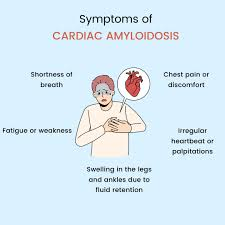
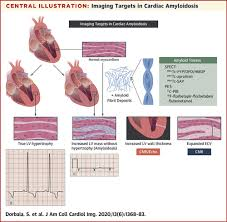
Amyloidosis occurs when abnormal protein aggregates, known as amyloid, deposit in tissues and organs. These proteins can interfere with normal bodily functions, leading to a variety of symptoms, including:
- Fatigue: A common complaint due to reduced organ function.
- Swelling: Often seen in the legs and ankles due to fluid retention.
- Numbness or Tingling: Often affecting the hands and feet due to nerve damage.
- Difficulty Breathing: When amyloid deposits affect the heart or lungs.
- Digestive Issues: Such as diarrhea or constipation when the gastrointestinal tract is involved.
There are several types of amyloidosis, with AL (primary) and AA (secondary) being the most common. AL amyloidosis is associated with plasma cell disorders, while AA amyloidosis is often a result of chronic inflammatory diseases.
The Ayurvedic Perspective
Ayurveda views health as a balance of the body’s three doshas: Vata, Pitta, and Kapha. Each dosha represents different physical and emotional characteristics, and an imbalance can lead to disease.
Dosha Imbalances and Amyloidosis
In the context of amyloidosis, an accumulation of ama (toxins) is believed to occur, which can correlate with the buildup of amyloid proteins. This ama is often a result of improper digestion (Agni) and can lead to the creation of harmful substances in the body.
- Vata Imbalance: This may manifest as nervous system issues, such as numbness or tingling, and can contribute to fatigue.
- Pitta Imbalance: Can lead to inflammation and digestive disturbances, affecting the body’s ability to process nutrients.
- Kapha Imbalance: Often results in accumulation and stagnation, correlating with the buildup of amyloid deposits in tissues.
Ayurvedic Diagnosis
An Ayurvedic practitioner typically employs a holistic approach to diagnosis, incorporating pulse diagnosis, examination of the tongue, and a detailed discussion of the patient’s lifestyle and symptoms. This personalized approach allows practitioners to identify the underlying imbalances and tailor treatments accordingly.
Ayurvedic Treatment Approaches
1. Dietary Modifications
In Ayurveda, diet plays a crucial role in restoring balance and promoting healing.
- Anti-inflammatory Foods: Incorporate foods like turmeric, ginger, and garlic, which have anti-inflammatory properties and can support the body’s immune response.
- Easily Digestible Foods: Opt for cooked vegetables, grains, and legumes that are easier on the digestive system. Avoid heavy, processed, or fried foods that can create ama.
- Hydration: Drinking warm water or herbal teas can help improve digestion and promote detoxification.
2. Herbal Remedies
Herbs are a cornerstone of Ayurvedic medicine, with many possessing properties that can help in managing amyloidosis:
- Ashwagandha (Withania somnifera): Known for its adaptogenic properties, ashwagandha helps to reduce stress and may improve overall vitality.
- Turmeric (Curcuma longa): Contains curcumin, which has potent anti-inflammatory and antioxidant properties that can help mitigate organ damage.
- Guggulu (Commiphora mukul): Known for its ability to support metabolism and reduce lipid accumulation, which can be beneficial for patients with amyloidosis.
- Brahmi (Bacopa monnieri): This herb is recognized for its neuroprotective effects, potentially beneficial for neurological symptoms related to amyloidosis.
3. Panchakarma Therapy
Panchakarma is a detoxification and rejuvenation process that involves five therapeutic actions to cleanse the body of toxins:
- Virechana (Purgation): Helps eliminate excess Pitta and toxins from the digestive tract.
- Basti (Enema): Aimed at balancing Vata dosha, it can help remove toxins from the colon.
- Nasya (Nasal administration): Beneficial for conditions affecting the head and neck, particularly if there are neurological symptoms.
These therapies should always be conducted under the supervision of a qualified Ayurvedic practitioner to ensure safety and effectiveness.
4. Lifestyle Changes
Ayurveda emphasizes the importance of lifestyle in maintaining health. Some recommended practices include:
- Regular Exercise: Gentle activities like yoga or walking can help improve circulation and support metabolic processes.
- Meditation and Stress Management: Practices like meditation, deep breathing, and mindfulness can help manage stress, which is essential for overall health and well-being.
- Sleep Hygiene: Adequate sleep is crucial for healing. Establishing a regular sleep routine and creating a calming bedtime environment can aid in restorative sleep.
5. Mind-Body Connection
Ayurveda recognizes the profound connection between the mind and body. Emotional well-being can significantly impact physical health, particularly in chronic conditions like amyloidosis. Engaging in practices that promote emotional balance, such as journaling, art therapy, or counseling, can be beneficial.
Integrating Ayurveda with Conventional Treatments
It’s essential for patients with amyloidosis to work closely with their healthcare providers when integrating Ayurvedic treatments with conventional medicine. Ayurveda can complement standard treatments by enhancing overall health, boosting the immune system, and improving quality of life. However, it should not replace prescribed medications or therapies.
Conclusion
Amyloidosis is a complex condition that requires a multifaceted approach for effective management. While conventional medicine is crucial for diagnosis and treatment, Ayurveda offers valuable insights and therapies that can enhance overall health and support the body’s natural healing processes. Through dietary changes, herbal remedies, detoxification therapies, and lifestyle modifications, Ayurveda can play a significant role in the holistic management of amyloidosis.
If you or a loved one is navigating this condition, consider consulting with a qualified Ayurvedic practitioner to explore how these ancient healing traditions can be integrated into your care plan. Remember, healing is a journey, and every step taken towards balance and well-being is a step towards a healthier life.


About author




Leave a reply