
Understanding Beriberi: An Ayurvedic Perspective
Understanding Beriberi: An Ayurvedic Perspective is a nutritional disorder caused by a deficiency of thiamine (vitamin B1), leading to a range of health issues. This condition is particularly prevalent in regions where polished rice is a staple food, as the milling process removes much of the thiamine content. The disease manifests primarily in two forms: wet beriberi, which affects the cardiovascular system, and dry beriberi, which impacts the nervous system. In this blog, we will explore beriberi from an Ayurvedic perspective, examining its causes, symptoms, and potential treatment options.
What is Beriberi?
Types of Beriberi
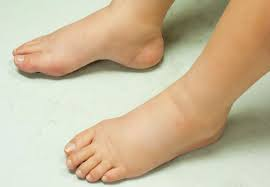
- Wet Beriberi: Characterized by edema, heart problems, and fluid retention. It can lead to congestive heart failure if untreated.
- Dry Beriberi: Primarily affects the nervous system, leading to muscle weakness, neuropathy, and impaired cognitive function.
Causes of Beriberi
The main cause of beriberi is thiamine deficiency. This can result from:
- A diet high in refined carbohydrates (like white rice) and low in thiamine-rich foods.
- Alcoholism, which impairs thiamine absorption.
- Certain medical conditions that affect nutrient absorption.
Ayurvedic Understanding of Beriberi
In Ayurveda, health is viewed as a balance between body, mind, and spirit. Any imbalance can lead to disease. While modern medicine identifies beriberi as a vitamin deficiency, Ayurveda interprets it through the lens of doshas—Vata, Pitta, and Kapha. An imbalance in these doshas can lead to various health conditions, including beriberi.
Dosha Imbalance and Beriberi
- Vata Imbalance: Represents movement and is associated with the nervous system. A predominant Vata imbalance may lead to dry beriberi, characterized by neurological symptoms.
- Kapha Imbalance: Relates to stability and structure. In cases of wet beriberi, excess Kapha may result in fluid retention and cardiovascular issues.
Srotas (Channels) and Nutritional Absorption
Ayurveda emphasizes the importance of srotas (the channels through which nutrients travel) in maintaining health. If the srotas become obstructed due to improper diet or lifestyle, nutrient absorption is compromised, leading to deficiencies such as thiamine deficiency.
Symptoms of Beriberi
Recognizing the symptoms of beriberi is crucial for early intervention. The symptoms can vary based on the type of beriberi:
Wet Beriberi Symptoms
- Swelling in legs and feet (edema)
- Shortness of breath
- Rapid heart rate
- Fatigue and weakness
Dry Beriberi Symptoms
- Numbness or tingling in the extremities
- Muscle weakness and pain
- Impaired memory and cognitive function
- Loss of coordination
Ayurvedic Treatment for Beriberi
Dietary Recommendations
Ayurveda emphasizes the role of diet in restoring balance. For beriberi, it’s crucial to include thiamine-rich foods. Here are some dietary suggestions:
- Whole Grains: Incorporate whole grains like brown rice, quinoa, and millets. These grains retain more nutrients compared to their refined counterparts.
- Legumes: Include lentils, chickpeas, and beans, which are excellent sources of thiamine.
- Nuts and Seeds: Almonds, sunflower seeds, and flaxseeds are not only rich in thiamine but also provide healthy fats.
- Fruits and Vegetables: Leafy greens, asparagus, and citrus fruits can enhance overall nutrient intake and support digestive health.
Herbal Remedies
Several Ayurvedic herbs can aid in addressing thiamine deficiency and restoring balance:
- Ashwagandha (Withania somnifera): Known for its adaptogenic properties, it helps reduce stress and supports overall vitality.
- Brahmi (Bacopa monnieri): This herb enhances cognitive function and may help with symptoms of dry beriberi.
- Turmeric (Curcuma longa): Known for its anti-inflammatory properties, turmeric can support cardiovascular health and improve circulation.
- Triphala: A combination of three fruits that supports digestion and detoxification, ensuring better nutrient absorption.
Lifestyle Modifications
In addition to dietary changes, certain lifestyle adjustments can promote healing:
- Regular Exercise: Gentle exercises like yoga and walking can improve circulation and overall vitality.
- Stress Management: Techniques such as meditation, breathing exercises, and mindfulness can help maintain emotional and physical balance.
- Adequate Hydration: Staying well-hydrated supports all bodily functions, including nutrient absorption.
- Avoidance of Alcohol: Reducing or eliminating alcohol intake can improve thiamine absorption and overall health.
The Role of Ayurveda in Prevention
Preventing beriberi involves a holistic approach. By incorporating a balanced diet, regular exercise, and stress management techniques, individuals can maintain their health and prevent deficiencies. Ayurveda encourages mindfulness in dietary choices, promoting the consumption of whole, natural foods over processed ones.
Educational Awareness
Raising awareness about the importance of thiamine and its sources can play a significant role in prevention. Community education programs can help promote nutritional knowledge, especially in regions where beriberi is prevalent.
Conclusion
Beriberi is a serious condition that highlights the importance of proper nutrition and balance. From an Ayurvedic perspective, addressing the root causes of this deficiency involves not only dietary changes but also lifestyle adjustments and a focus on mental and emotional well-being. By understanding the interconnection between diet, dosha balance, and overall health, individuals can take proactive steps to prevent beriberi and promote long-term wellness.
Incorporating Ayurvedic principles can help individuals restore balance and vitality, paving the way for a healthier future. As we learn more about nutrition and its effects on our health, let us embrace a holistic approach that nurtures both body and mind.

About author


Leave a reply