
Understanding Tendonitis and Its Ayurvedic Treatment
Understanding Tendonitis and Its Ayurvedic Treatment is a common condition characterized by inflammation of a tendon, the thick fibrous cords that attach muscle to bone. It can affect various parts of the body, including the shoulder, elbow, wrist, knee, and heel. While conventional treatments often focus on rest, ice, and anti-inflammatory medications, Ayurveda offers a holistic approach that addresses not only the symptoms but also the underlying causes.
What is Tendonitis?
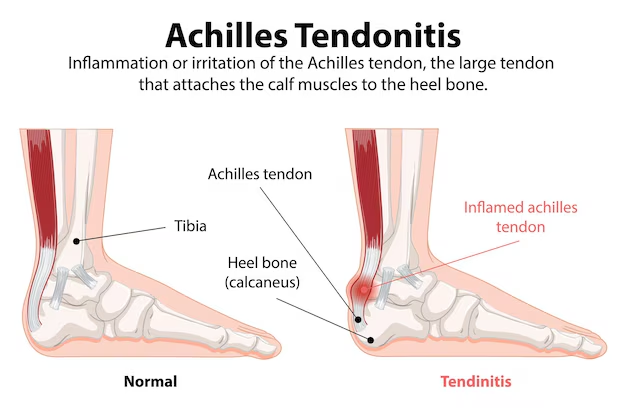
Tendonitis occurs when a tendon becomes irritated or inflamed, usually due to repetitive motion or excessive strain. Symptoms typically include pain, swelling, and limited mobility in the affected area. Common types of tendonitis include:
- Achilles Tendonitis: Affects the tendon connecting the calf muscles to the heel bone.
- Tennis Elbow (Lateral Epicondylitis): Affects the tendons on the outer part of the elbow.
- Golfer’s Elbow (Medial Epicondylitis): Affects the tendons on the inner part of the elbow.
- Rotator Cuff Tendonitis: Affects the tendons in the shoulder.
Causes of Tendonitis
Tendonitis often results from:
- Repetitive movements (e.g., typing, playing sports).
- Overuse or improper technique in physical activities.
- Aging, which can lead to decreased tendon elasticity.
- Previous injuries that haven’t healed properly.
The Ayurvedic Perspective
Ayurveda, an ancient Indian system of medicine, views tendonitis through the lens of bodily energies, or doshas: Vata, Pitta, and Kapha. Each dosha has distinct qualities that influence physical and emotional health. Tendonitis is often linked to an imbalance in the Vata dosha, which governs movement and flexibility.
Vata Imbalance
An excess of Vata can lead to dryness, instability, and increased susceptibility to injury. Symptoms of a Vata imbalance may include:
- Dry skin.
- Irregular digestion.
- Anxiety or restlessness.
Ayurvedic Treatment for Tendonitis
Ayurvedic treatment for tendonitis emphasizes a multi-faceted approach, including dietary changes, herbal remedies, lifestyle modifications, and therapeutic treatments. Here’s a detailed guide:
1. Dietary Changes
Nutrition plays a crucial role in managing tendonitis. Incorporating foods that nourish the tissues and reduce inflammation is vital.
- Anti-inflammatory Foods: Include turmeric, ginger, garlic, and green leafy vegetables. These foods contain antioxidants that help reduce inflammation.
- Healthy Fats: Incorporate sources of omega-3 fatty acids, such as flaxseeds, walnuts, and fish, to promote healing.
- Hydration: Staying hydrated helps maintain joint lubrication. Warm water with lemon can be beneficial.
- Warm, Cooked Foods: Favor warm, easy-to-digest foods that help balance Vata, such as soups, stews, and cooked grains.
2. Herbal Remedies
Several herbs can assist in reducing inflammation and promoting healing:
- Turmeric (Curcuma longa): Contains curcumin, known for its anti-inflammatory properties. It can be taken as a supplement or added to food.
- Ginger (Zingiber officinale): Acts as a natural pain reliever and anti-inflammatory agent. Ginger tea or supplements can be effective.
- Ashwagandha (Withania somnifera): Helps reduce stress and inflammation, supporting overall recovery.
- Boswellia (Boswellia serrata): Known for its anti-inflammatory benefits, it can be taken in capsule form.
3. Lifestyle Modifications
Making specific lifestyle changes can help prevent and manage tendonitis:
- Rest: Allow the affected tendon to heal by minimizing movement. Avoid activities that exacerbate the pain.
- Gentle Stretching and Strengthening: Once the pain subsides, gentle stretching and strengthening exercises can improve flexibility and reduce the risk of re-injury.
- Proper Technique: If engaging in sports or repetitive activities, ensure you use the correct technique to prevent strain on the tendons.
- Warm-Up and Cool-Down: Always warm up before physical activities and cool down afterward to reduce the risk of injury.
4. Ayurvedic Therapies
Ayurveda offers various therapies that can help alleviate the symptoms of tendonitis:
- Abhyanga (Oil Massage): Regular self-massage with warm oil (such as sesame or mustard oil) helps improve circulation, reduce inflammation, and promote healing.
- Shirodhara: This treatment involves pouring warm oil on the forehead and can help calm the mind and reduce stress, which can indirectly benefit the body.
- Swedana (Steam Therapy): Helps in opening the channels and increasing circulation to the affected area.
- Panchakarma: A detoxification process that can help balance the doshas and promote overall health.
Conclusion
Tendonitis can be a painful and limiting condition, but Ayurveda offers a comprehensive approach to treatment that addresses the root cause rather than just the symptoms. By incorporating dietary changes, herbal remedies, lifestyle modifications, and therapeutic practices, individuals can effectively manage and heal from tendonitis.
Always consult with a qualified Ayurvedic practitioner before starting any treatment plan. Each individual is unique, and personalized recommendations can lead to the best outcomes. Embracing an Ayurvedic approach can not only aid in recovery but also enhance overall well-being, helping to restore balance to the body and mind.
Final Thoughts
Understanding tendonitis through the Ayurvedic lens allows for a deeper connection with one’s body and its needs. By nurturing this connection and being mindful of lifestyle choices, individuals can not only recover from tendonitis but also promote a healthier, more balanced life. Whether you’re an athlete or someone engaging in daily activities, the principles of Ayurveda can offer invaluable insights and practices for long-term health.


About author





Leave a reply