
Understanding Astigmatism: Ayurvedic Approaches to Eye Health
Understanding Astigmatism: Ayurvedic Approaches to Eye Health is a common refractive error of the eye that affects how light rays are focused on the retina, leading to blurred or distorted vision. While conventional treatments include corrective lenses and surgery, Ayurveda offers a holistic approach to managing eye health and potentially alleviating the symptoms of astigmatism. In this blog, we will explore astigmatism, its causes, symptoms, and how Ayurvedic medicine can contribute to eye health.
What is Astigmatism?
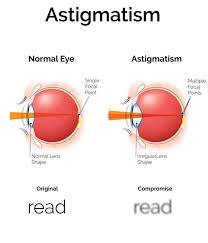
Astigmatism occurs when the cornea (the clear front surface of the eye) or the lens inside the eye has an irregular shape. Instead of being perfectly spherical, these structures can be more oval, causing light to focus on multiple points rather than a single point on the retina. This leads to blurred vision at various distances.
Types of Astigmatism
- Corneal Astigmatism: Caused by an irregularly shaped cornea.
- Lenticular Astigmatism: Caused by irregularities in the lens of the eye.
- Regular Astigmatism: Where the principal meridians are perpendicular to each other.
- Irregular Astigmatism: Where the principal meridians are not perpendicular, often due to injury or disease.
Causes of Astigmatism
- Genetics: A family history of astigmatism may increase your risk.
- Eye Conditions: Conditions like keratoconus or previous eye surgeries can lead to astigmatism.
- Injury: Trauma to the eye can alter its shape.
- Other Health Conditions: Certain diseases can also impact eye shape.
Symptoms of Astigmatism
Common symptoms include:
- Blurred or distorted vision
- Difficulty seeing at night
- Eye strain or discomfort
- Headaches
- Squinting
Ayurvedic Perspective on Eye Health

Ayurveda, the ancient Indian system of medicine, emphasizes balance within the body and mind. It views health holistically, addressing the root causes of ailments rather than just the symptoms. According to Ayurveda, the eyes are considered a “window to the soul,” and maintaining their health is crucial.
Doshas and Eye Health
Ayurveda categorizes individuals into three doshas: Vata, Pitta, and Kapha. Each dosha governs specific physical and emotional characteristics. Eye health can be influenced by imbalances in these doshas.
- Vata Imbalance: May lead to dry eyes and increased sensitivity.
- Pitta Imbalance: Can cause inflammation and irritation, potentially leading to conditions like astigmatism.
- Kapha Imbalance: May result in excess moisture and congestion.
Balancing these doshas can improve overall eye health and potentially alleviate astigmatism symptoms.
Ayurvedic Remedies for Astigmatism
1. Dietary Adjustments
Ayurveda emphasizes the importance of a balanced diet for overall health, including eye health. Incorporating the following foods can be beneficial:
- Fruits and Vegetables: Carrots, spinach, and kale are rich in beta-carotene and lutein, which support eye health.
- Healthy Fats: Omega-3 fatty acids found in flaxseeds and walnuts can help maintain eye moisture.
- Spices: Turmeric and saffron have anti-inflammatory properties that may help soothe eye irritation.
2. Herbal Remedies
Several herbs in Ayurveda are known to support eye health:
- Triphala: This herbal formulation is traditionally used to improve vision and support detoxification. It consists of three fruits: amla, haritaki, and bibhitaki, which are rich in antioxidants.
- Amla (Indian Gooseberry): Known for its high vitamin C content, amla can help improve vision and strengthen eye tissues.
- Ghee (Clarified Butter): Traditionally used in Ayurveda, ghee is believed to nourish the eyes when taken internally or applied externally.
3. Eye Exercises
Practicing eye exercises can strengthen the eye muscles and improve focus. Here are a few exercises:
- Palming: Rub your palms together to generate heat, then gently place them over your closed eyes for a minute. This helps relax the eye muscles.
- Focus Shifting: Hold a pen at arm’s length, focus on it, and then shift your gaze to a distant object. Repeat several times to improve focus and reduce strain.
4. Netra Tarpana (Eye Nourishment)
Netra Tarpana is an Ayurvedic therapy that involves the application of ghee around the eyes. It helps nourish the eyes, improves vision, and can be particularly effective for conditions like astigmatism. This treatment should be performed under the guidance of an experienced Ayurvedic practitioner.
5. Yoga for Eye Health
Yoga can play a significant role in promoting eye health. Certain asanas and practices can improve circulation and reduce stress:
- Trataka (Candle Gazing): This practice involves gazing at a candle flame to improve concentration and strengthen the eye muscles.
- Bhramari (Bee Breath): This breathing technique helps calm the mind and reduce stress, indirectly benefiting eye health.
6. Lifestyle Modifications
Making simple lifestyle changes can also enhance eye health:
- Reduce Screen Time: Limit prolonged exposure to screens to prevent eye strain.
- Regular Breaks: Follow the 20-20-20 rule: every 20 minutes, look at something 20 feet away for 20 seconds.
- Stay Hydrated: Drink plenty of water to keep your eyes moist and reduce dryness.
Preventive Measures in Ayurveda
Ayurveda emphasizes prevention as the best approach to health. Here are some preventive measures for maintaining eye health:
- Regular Eye Check-ups: Regular visits to an eye specialist can help detect early signs of astigmatism and other eye conditions.
- Adequate Sleep: Proper rest is essential for eye health. Aim for 7-8 hours of sleep each night.
- Sun Protection: Wear sunglasses to protect your eyes from UV rays, which can damage the cornea and lead to various eye conditions.
Conclusion
Astigmatism can be a challenging condition, but with a holistic approach rooted in Ayurveda, it is possible to support eye health and improve quality of life. By focusing on diet, herbal remedies, exercises, and lifestyle modifications, individuals can take proactive steps toward managing their eye health.
While Ayurvedic treatments can complement conventional medicine, it’s essential to consult with healthcare professionals for a comprehensive approach to astigmatism. Embracing Ayurveda not only fosters physical well-being but also encourages a deeper connection between mind, body, and spirit—an essential aspect of true health.
Incorporating these Ayurvedic principles into your daily routine can help nurture your eyes and may pave the way for clearer, healthier vision.


About author






Leave a reply