
Understanding Myasthenia Gravis and Ayurvedic Approaches to Management
Understanding Myasthenia Gravis and Ayurvedic Approaches to Management is a chronic autoimmune neuromuscular disorder characterized by weakness and rapid fatigue of voluntary muscles. The condition results from a breakdown in communication between nerves and muscles, primarily due to the production of antibodies that interfere with acetylcholine receptors at the neuromuscular junction. This blog aims to explore the Ayurvedic perspective on Myasthenia Gravis, including its causes, symptoms, and potential treatments.
What is Myasthenia Gravis?
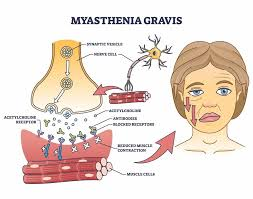
Symptoms and Diagnosis
MG is often marked by muscle weakness that worsens with activity and improves with rest. Common symptoms include:
- Ptosis: Drooping of one or both eyelids.
- Diplopia: Double vision.
- Difficulty swallowing or speaking.
- Weakness in the arms, legs, and neck.
Diagnosis typically involves clinical examination, antibody testing, and electrodiagnostic studies like repetitive nerve stimulation or single-fiber electromyography.
Conventional Treatments
Current treatment options for MG focus on managing symptoms and improving muscle strength. These may include:
- Anticholinesterase medications: Such as pyridostigmine, which enhance communication between nerves and muscles.
- Immunosuppressants: To reduce the autoimmune response.
- Plasmapheresis or intravenous immunoglobulin (IVIG): To manage severe cases.
- Thymectomy: Surgical removal of the thymus gland may be beneficial, especially for those with thymoma.
While these treatments can be effective, they may also lead to side effects and do not address the root cause of the condition.
Ayurvedic Perspective on Myasthenia Gravis
Ayurveda, the ancient system of medicine from India, offers a holistic approach to health, emphasizing balance among the body’s energies (doshas), lifestyle, diet, and natural remedies. In Ayurveda, health is seen as a state of equilibrium, and diseases are often attributed to imbalances.
Understanding the Doshas
In Ayurveda, the human body is governed by three primary doshas: Vata, Pitta, and Kapha. Each dosha represents different physiological and psychological functions. Myasthenia Gravis can be understood as an imbalance in these doshas, particularly involving:
- Vata: Governs movement and communication, including nerve impulses.
- Pitta: Associated with metabolism and transformation.
- Kapha: Related to structure and stability.
MG is often thought to stem from a disturbance in Vata due to stress, lifestyle factors, and dietary habits.
Causes of Myasthenia Gravis in Ayurveda
From an Ayurvedic perspective, MG can be attributed to:
- Aam (Toxins): Accumulation of toxins in the body due to improper digestion (Agni).
- Imbalanced Doshas: Predominantly an aggravated Vata, leading to nerve dysfunction.
- Stress and Mental Imbalance: Psychological factors can exacerbate physical symptoms.
- Nutritional Deficiencies: Poor diet can weaken the body’s resilience.
Ayurvedic Treatment Approaches for Myasthenia Gravis
Ayurvedic treatments for Myasthenia Gravis focus on restoring balance, enhancing strength, and improving overall well-being. Here are some key components:
1. Dietary Recommendations
Diet plays a crucial role in Ayurvedic treatment. The focus should be on:
- Sattvic Foods: Fresh, organic, and wholesome foods that promote clarity and vitality, such as fruits, vegetables, whole grains, and legumes.
- Warm, Cooked Foods: Easier to digest and help combat the buildup of aam. Include soups, stews, and lightly spiced dishes.
- Avoiding Astringent and Dry Foods: These can aggravate Vata, leading to increased weakness.
- Hydration: Drink warm water and herbal teas to support digestion and detoxification.
2. Herbal Remedies
Several Ayurvedic herbs can support muscle function and enhance immunity:
- Ashwagandha (Withania somnifera): Known for its adaptogenic properties, it helps reduce stress and fatigue.
- Brahmi (Bacopa monnieri): Supports cognitive function and nervous system health.
- Turmeric (Curcuma longa): Has anti-inflammatory properties that can help reduce muscle inflammation.
- Ginger (Zingiber officinale): Aids digestion and improves circulation.
3. Panchakarma Therapy
Panchakarma, a detoxification and rejuvenation process in Ayurveda, can help eliminate toxins from the body and restore balance. Key therapies may include:
- Abhyanga (Oil Massage): Using warm herbal oils can soothe the nervous system and improve circulation.
- Shirodhara: A gentle pouring of warm oil on the forehead, which can calm the mind and reduce stress.
- Basti (Enema Therapy): Helps detoxify the lower gastrointestinal tract and balances Vata.
4. Yoga and Pranayama
Incorporating yoga and pranayama (breath control) can significantly enhance physical and mental well-being. Recommended practices include:
- Gentle Asanas: Focus on postures that promote strength without excessive strain. Poses like Bhujangasana (Cobra Pose) and Balasana (Child’s Pose) can be beneficial.
- Breathwork: Pranayama techniques such as Nadi Shodhana (Alternate Nostril Breathing) can help balance Vata and reduce stress.
5. Lifestyle Modifications
Making lifestyle changes can support overall health and well-being:
- Stress Management: Practices like meditation, mindfulness, and spending time in nature can help reduce stress and its effects on the body.
- Adequate Rest: Ensuring sufficient sleep and rest periods is crucial for recovery.
- Routine: Establishing a daily routine can help regulate the body’s natural rhythms and reduce fatigue.
Integrating Ayurvedic Approaches with Conventional Medicine
While Ayurvedic treatments can be highly beneficial, it’s essential to integrate them with conventional medical care. Always consult healthcare professionals before making significant changes to treatment plans. A collaborative approach can provide the best outcomes for managing Myasthenia Gravis.
Conclusion
Understanding Myasthenia Gravis and Ayurvedic Approaches to Management is a complex autoimmune condition that requires a multifaceted approach to management. Ayurveda offers valuable insights and holistic treatments that can complement conventional medicine, focusing on restoring balance, enhancing strength, and promoting overall well-being.
By adopting Ayurvedic principles in diet, lifestyle, and therapies, individuals with Myasthenia Gravis may find relief from symptoms and improve their quality of life. Understanding Myasthenia Gravis and Ayurvedic Approaches to Management As always, personalizing treatment based on individual needs and conditions is crucial for effective management.
As you explore Ayurvedic options, consider working closely with qualified practitioners to create a tailored plan that aligns with your health goals. With a comprehensive approach, it’s possible to navigate the challenges of Myasthenia Gravis and lead a fulfilling life.

About author



Leave a reply