
Understanding Hashimoto’s Thyroiditis: An Ayurvedic Perspective
Understanding Hashimoto’s Thyroiditis: An Ayurvedic Perspective, an autoimmune disorder that affects the thyroid gland, has been gaining attention as more people experience its symptoms. Characterized by chronic inflammation of the thyroid, this condition often leads to hypothyroidism, where the body does not produce enough thyroid hormones. While conventional medicine offers various treatment options, many individuals are seeking alternative approaches to manage their symptoms and improve their quality of life. In this blog, we will explore Hashimoto’s Thyroiditis through the lens of Ayurveda, an ancient system of medicine that emphasizes holistic healing.
What is Hashimoto’s Thyroiditis?
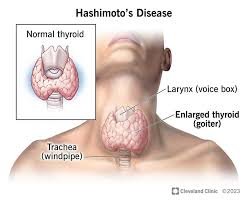
Hashimoto’s Thyroiditis is named after Dr. Hakaru Hashimoto, who first described the condition in 1912. It occurs when the immune system mistakenly attacks the thyroid gland, leading to inflammation and damage. This condition is more prevalent in women and can manifest with symptoms such as fatigue, weight gain, depression, and sensitivity to cold.
Symptoms
Symptoms of Hashimoto’s Thyroiditis can vary widely among individuals and may include:
- Fatigue and sluggishness
- Unexplained weight gain
- Sensitivity to cold temperatures
- Hair loss and brittle nails
- Depression and mood swings
- Muscle weakness and joint pain
- Dry skin and puffiness in the face
These symptoms can significantly impact daily life, making effective management essential.
The Ayurvedic Approach
Ayurveda, a holistic healing system that originated in India over 3,000 years ago, offers a comprehensive framework for understanding and treating diseases, including Hashimoto’s Thyroiditis. In Ayurveda, health is viewed as a balance between the body, mind, and spirit, and treatment focuses on restoring this balance through natural methods.
Dosha Imbalance
In Ayurveda, every individual has a unique constitution (Prakriti) made up of three doshas: Vata, Pitta, and Kapha. Hashimoto’s Thyroiditis is often associated with an imbalance in these doshas, particularly an excess of Kapha and Vata.
- Kapha is associated with the elements of earth and water, and an excess can lead to sluggishness, weight gain, and retention of fluids, which aligns with many symptoms of hypothyroidism.
- Vata, which embodies air and space, can manifest as anxiety, dry skin, and irregularities in bodily functions when out of balance.
Identifying Imbalances
To effectively manage Hashimoto’s Thyroiditis, it is crucial to identify an individual’s dosha imbalances. This can be done through consultations with an experienced Ayurvedic practitioner who will assess various factors, including diet, lifestyle, and emotional well-being.
Dietary Recommendations
Ayurveda places great emphasis on diet as a means of restoring balance. Here are some dietary guidelines that may be beneficial for those with Hashimoto’s Thyroiditis:
Favorable Foods
- Warm, Cooked Foods: Favor warm, nourishing meals that are easy to digest, such as soups, stews, and steamed vegetables.
- Anti-inflammatory Spices: Incorporate spices like turmeric, ginger, and cinnamon, known for their anti-inflammatory properties.
- Healthy Fats: Include sources of healthy fats, such as ghee, olive oil, and avocados, to support hormone production.
- Leafy Greens: Consume plenty of leafy greens and cruciferous vegetables, which provide essential vitamins and minerals.
- Whole Grains: Opt for whole grains like quinoa, brown rice, and barley, which are less likely to provoke inflammation.
Foods to Avoid
- Processed Foods: Minimize the intake of processed and packaged foods high in preservatives and unhealthy fats.
- Refined Sugars: Limit sugar consumption, as it can contribute to inflammation and hormonal imbalance.
- Gluten: Some individuals with Hashimoto’s find that gluten can exacerbate symptoms, so a gluten-free diet may be beneficial.
- Nightshade Vegetables: Foods like tomatoes, peppers, and eggplants can aggravate inflammation in some people and may be best limited.
Lifestyle Practices
In addition to dietary changes, certain lifestyle practices can help manage Hashimoto’s Thyroiditis effectively.
Yoga and Exercise
Gentle forms of exercise, such as yoga and walking, can be beneficial. These practices help reduce stress, enhance circulation, and improve overall well-being. Specific yoga poses like the Shoulder Stand (Sarvangasana) and Fish Pose (Matsyasana) can stimulate the thyroid gland and promote balance.
Stress Management
Stress is known to exacerbate autoimmune conditions. Incorporating relaxation techniques such as meditation, deep breathing exercises, and mindfulness can help reduce stress levels and support the immune system.
Adequate Sleep
Ensuring a good night’s sleep is crucial for hormonal balance. Aim for 7-9 hours of quality sleep each night, and establish a consistent bedtime routine to promote restful sleep.
Herbal Remedies
Ayurveda offers various herbs that can help support thyroid function and manage symptoms of Hashimoto’s Thyroiditis. Always consult with a qualified Ayurvedic practitioner before starting any herbal remedies.
Ashwagandha
Ashwagandha is an adaptogenic herb known for its ability to reduce stress and support overall vitality. It may help enhance thyroid function and combat fatigue associated with Hashimoto’s.
Guggulu
Guggulu, derived from the resin of the Commiphora mukul tree, is traditionally used in Ayurveda to support metabolism and reduce inflammation. It may be beneficial for individuals with thyroid issues.
Triphala
Triphala, a blend of three fruits (Amalaki, Bibhitaki, and Haritaki), is renowned for its detoxifying properties and can help improve digestive health, which is vital for overall well-being.
Kanchanar Guggulu
Kanchanar Guggulu is a classical Ayurvedic formulation often used for thyroid disorders. It may help in reducing thyroid enlargement and supporting healthy thyroid function.
The Importance of a Holistic Approach
Hashimoto’s Thyroiditis is a complex condition that requires a holistic approach to treatment. Ayurveda emphasizes the importance of treating the individual rather than just the symptoms. This means taking into account emotional well-being, lifestyle choices, and dietary habits.
Regular Check-ups
While Ayurvedic treatments can significantly improve quality of life, regular check-ups with a healthcare provider are essential to monitor thyroid hormone levels and ensure overall health.
Building a Support System
Connecting with others who are dealing with similar health challenges can be incredibly beneficial. Support groups, whether online or in-person, provide a space to share experiences, advice, and encouragement.
Conclusion
Hashimoto’s Thyroiditis can be a challenging condition, but with the right approach, it is possible to manage symptoms and restore balance. Ayurveda offers a holistic framework that focuses on diet, lifestyle changes, and natural remedies. By understanding the underlying imbalances and incorporating Ayurvedic principles, individuals can take proactive steps towards better health and well-being.
If you or someone you know is struggling with Hashimoto’s Thyroiditis, consider exploring the wisdom of Ayurveda as a complementary approach. Remember, healing is a journey, and with patience and persistence, it is possible to achieve a harmonious balance in life.


About author





Leave a reply