
Understanding Duchenne Muscular Dystrophy Through Ayurveda
Understanding Duchenne Muscular Dystrophy Through Ayurveda is a severe type of muscular dystrophy, a genetic disorder characterized by progressive muscle degeneration and weakness. While conventional treatments focus on managing symptoms and improving quality of life, Ayurveda offers a holistic approach that emphasizes the balance of body, mind, and spirit. This blog explores DMD from an Ayurvedic perspective, aiming to provide insights into management strategies and supportive care.
What is Duchenne Muscular Dystrophy?
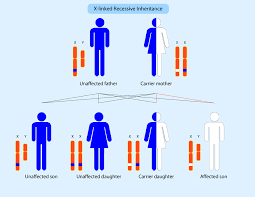
DMD primarily affects boys and is caused by mutations in the dystrophin gene, which is crucial for muscle cell function. Symptoms typically appear between the ages of 2 and 5, beginning with difficulty in walking, running, and climbing stairs. As the condition progresses, muscle weakness spreads, affecting the heart and respiratory muscles, ultimately leading to significant health complications.
The Ayurvedic Perspective
Ayurveda, one of the oldest holistic healing systems, views health as a state of balance among the body, mind, and spirit. It emphasizes individual constitution (Prakriti) and recognizes that each person’s experience with an illness is unique.
Doshas and DMD
- Vata Dosha: Associated with movement and nerve function, an imbalance in Vata may contribute to muscle degeneration and weakness. In DMD, the deterioration of muscle tissues can be linked to a Vata imbalance.
- Pitta Dosha: Governing transformation and metabolism, Pitta can influence muscle recovery and energy levels. An excess of Pitta may lead to inflammation, which can further complicate DMD.
- Kapha Dosha: Related to structure and stability, Kapha plays a vital role in muscle formation. A deficiency in Kapha can lead to weakness and muscle wasting.
Ayurvedic Principles in Managing DMD
1. Diet and Nutrition
A balanced diet tailored to the individual’s constitution can support muscle health and overall well-being. Key dietary recommendations include:
- Nutrient-Dense Foods: Incorporate foods rich in protein, healthy fats, and essential vitamins. Foods like lentils, nuts, seeds, and dairy products can help nourish the muscles.
- Anti-Inflammatory Ingredients: Turmeric, ginger, and cinnamon can help reduce inflammation. Including these in the diet may improve muscle health.
- Hydration: Staying hydrated is crucial for maintaining energy levels and supporting muscle function. Warm water infused with lemon or herbal teas can be beneficial.
2. Herbal Remedies
Ayurvedic herbs have been traditionally used to support muscle health and reduce symptoms associated with DMD. Some notable herbs include:
- Ashwagandha (Withania somnifera): Known for its adaptogenic properties, ashwagandha can help enhance strength and stamina.
- Brahmi (Bacopa monnieri): This herb is known to support cognitive function and nerve health, potentially improving overall coordination and balance.
- Guggulu (Commiphora mukul): It has anti-inflammatory properties and may aid in tissue repair.
3. Panchakarma Therapy
Panchakarma is a detoxification process that can help restore balance in the body. It involves five main procedures aimed at removing toxins (ama) and revitalizing bodily systems. Some beneficial therapies may include:
- Abhyanga (Oil Massage): A gentle oil massage can improve circulation, reduce muscle stiffness, and provide relaxation.
- Shirodhara: This therapy involves pouring warm oil on the forehead, which can calm the mind and improve neurological function.
- Basti (Enema Therapy): This can help cleanse the intestines and balance Vata, supporting overall muscle health.
4. Yoga and Physical Therapy
Incorporating gentle yoga and physical therapy can be immensely beneficial for individuals with DMD. Yoga can improve flexibility, strengthen muscles, and promote relaxation. Tailored exercises may help maintain mobility and improve quality of life. Key practices may include:
- Gentle Stretching: Helps maintain flexibility and reduce stiffness in the muscles.
- Pranayama (Breathing Exercises): Improves lung capacity and respiratory function, which is critical in DMD management.
- Meditation: Can reduce stress and anxiety, promoting mental well-being.
5. Lifestyle Modifications
Adopting a balanced lifestyle is crucial for managing DMD effectively. Here are some key aspects:
- Routine: Establishing a consistent daily routine can provide stability and comfort.
- Rest and Sleep: Adequate rest is vital for recovery and overall health. A calming bedtime routine can promote better sleep.
- Emotional Support: Engaging in support groups and therapies can provide emotional resilience and improve quality of life.
Integrating Ayurveda with Conventional Treatments
While Ayurveda offers valuable insights and practices for managing DMD, it’s essential to integrate these with conventional medical treatments. Regular consultations with healthcare professionals are vital to monitor the progression of the disease and adapt treatment plans accordingly.
Research and Evidence
Although Ayurvedic practices have been used for centuries, scientific research on their effectiveness for specific conditions like DMD is still emerging.
Conclusion
Duchenne Muscular Dystrophy is a challenging condition that requires a comprehensive and compassionate approach to care. Ayurveda offers valuable insights into nutrition, lifestyle, and holistic therapies that can enhance the quality of life for individuals with DMD. By embracing a balanced approach that includes both Ayurvedic practices and conventional treatments, families can work towards improving the well-being of their loved ones affected by this condition.
Final Thoughts
It’s essential to remember that every individual is unique, and treatments should be personalized. Engaging with qualified Ayurvedic practitioners, nutritionists, and healthcare providers can create a supportive and effective management plan for DMD. With a focus on holistic care, individuals and their families can navigate the complexities of Duchenne Muscular Dystrophy with hope and resilience.
About author


Leave a reply