
Understanding Pleurisy and Ayurvedic Approaches for Management
Introduction
Understanding Pleurisy and Ayurvedic Approaches for Management, also known as pleuritis, is an inflammation of the pleura, the double-layered membrane surrounding the lungs and lining the chest cavity. This condition can cause sharp chest pain that worsens with breathing or coughing. It can arise from various causes, including infections, autoimmune disorders, or trauma. In conventional medicine, treatment often focuses on addressing the underlying cause and managing symptoms with pain relief and anti-inflammatory medications.
However, Ayurveda, the ancient system of medicine from India, offers a holistic approach to managing pleurisy by addressing the root cause and balancing the body’s energies. In this blog, we’ll explore what pleurisy is, how Ayurveda views this condition, and the various Ayurvedic remedies and strategies that may help in managing pleurisy.
Understanding Pleurisy
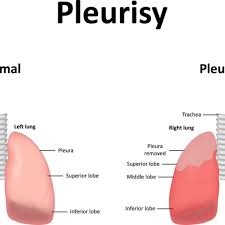
Pleurisy is characterized by inflammation of the pleura, the thin tissue layers that surround the lungs and line the chest cavity. This inflammation can lead to sharp, stabbing pain in the chest, which often intensifies with breathing, coughing, or sneezing. Other symptoms may include difficulty breathing, a dry cough, and sometimes fever.
Causes of Pleurisy
Pleurisy can be caused by a range of factors:
- Infections: Viral, bacterial, or fungal infections can lead to pleurisy. The most common are viral infections, like those caused by influenza or pneumonia.
- Autoimmune Diseases: Conditions such as lupus or rheumatoid arthritis can cause the immune system to attack the pleura.
- Trauma: Injury to the chest or rib cage can result in pleurisy.
- Other Causes: Conditions such as tuberculosis, pulmonary embolism, or certain cancers can also lead to pleurisy.
Ayurvedic Perspective on Pleurisy
Ayurveda views health as a balance of three fundamental energies or doshas: Vata (air and ether), Pitta (fire and water), and Kapha (water and earth). According to Ayurveda, pleurisy is often a result of an imbalance in these doshas, particularly Vata and Pitta.
Dosha Imbalance and Pleurisy
- Vata Imbalance: Vata dosha is associated with movement and dryness. When Vata is imbalanced, it can lead to dryness and discomfort in the respiratory system, manifesting as chest pain and difficulty breathing.
- Pitta Imbalance: Pitta dosha is linked with heat and inflammation. An aggravated Pitta can lead to excessive heat and inflammation in the pleura, contributing to the symptoms of pleurisy.
- Kapha Imbalance: While less commonly involved in pleurisy, an imbalance in Kapha can contribute to fluid accumulation or congestion in the chest, exacerbating respiratory issues.
Ayurvedic Treatment Strategies for Pleurisy
Ayurveda aims to restore balance to the doshas and promote overall health through a combination of dietary changes, herbal remedies, lifestyle adjustments, and therapies. Here’s how Ayurvedic approaches can be applied to managing pleurisy:
1. Dietary Modifications
Diet plays a crucial role in balancing the doshas and managing inflammation. For pleurisy, focusing on anti-inflammatory and soothing foods can be beneficial.
- Warm Foods and Drinks: Consuming warm foods and beverages can help soothe the inflamed pleura and reduce pain. Herbal teas with ingredients like ginger, turmeric, and cinnamon can be particularly beneficial.
- Anti-Inflammatory Foods: Incorporate foods with anti-inflammatory properties, such as turmeric, ginger, garlic, and green leafy vegetables.
- Avoid Cold and Dry Foods: Cold and dry foods can aggravate Vata dosha, worsening symptoms. It’s best to avoid ice-cold beverages, dry snacks, and processed foods.
2. Herbal Remedies
Ayurvedic herbs can be used to address the underlying imbalances and alleviate symptoms of pleurisy.
- Turmeric (Curcuma longa): Known for its strong anti-inflammatory and antioxidant properties, turmeric can help reduce inflammation in the pleura.
- Ginger (Zingiber officinale): Ginger helps to soothe inflammation and ease chest pain. It can be consumed as tea or used in cooking.
- Licorice Root (Glycyrrhiza glabra): This herb has soothing and anti-inflammatory properties that can help reduce pain and inflammation.
- Ashwagandha (Withania somnifera): This adaptogen helps balance Vata dosha and can support overall respiratory health.
These herbs can be taken in various forms, including teas, capsules, or as part of a more complex herbal formulation. It’s advisable to consult an Ayurvedic practitioner for personalized recommendations.
3. Lifestyle Adjustments
Lifestyle changes can support the healing process and help manage symptoms:
- Rest and Relaxation: Adequate rest is crucial for recovery. Avoid strenuous activities that could exacerbate chest pain.
- Breathing Exercises: Gentle breathing exercises, such as pranayama, can help improve lung function and reduce pain.
- Warm Compresses: Applying warm compresses to the chest can help alleviate pain and soothe the inflamed pleura.
4. Panchakarma Therapies
Panchakarma is a system of detoxifying treatments in Ayurveda that can help restore dosha balance and promote healing. Some therapies that might be beneficial include:
- Abhyanga (Oil Massage): A warm oil massage can help balance Vata dosha and promote relaxation.
- Steam Therapy: Steam inhalation can help soothe the respiratory tract and ease congestion.
- Swedana (Sweating Therapy): This therapy involves inducing sweat through steam or other methods, which can help release toxins and reduce inflammation.
Precautions and Considerations
While Ayurvedic remedies can be highly effective, it’s important to approach them with care:
- Consult a Professional: Always consult with a qualified Ayurvedic practitioner to ensure that the remedies and treatments are suitable for your specific condition.
- Integrate with Conventional Medicine: Ayurveda can complement conventional treatments but should not replace them. If you’re undergoing treatment for pleurisy, work with your healthcare provider to integrate Ayurvedic approaches safely.
- Monitor Symptoms: If symptoms persist or worsen, seek medical attention promptly. Pleurisy can sometimes indicate a more serious underlying condition that requires immediate care.
Conclusion
Pleurisy is a challenging condition, but Ayurveda offers a holistic approach to managing it by focusing on restoring balance within the body and alleviating symptoms through natural remedies and lifestyle changes. By addressing the underlying dosha imbalances, adopting a suitable diet, and incorporating herbal and lifestyle practices, individuals with pleurisy can find relief and support their overall well-being. Always remember to consult with healthcare professionals and Ayurvedic practitioners to ensure a safe and effective treatment plan tailored to your needs.


About author




Leave a reply