
Managing Cirrhosis with Ayurveda: A Holistic Approach
Introduction
Managing Cirrhosis with Ayurveda: A Holistic Approach, a progressive liver disease characterized by scarring and impaired liver function, poses significant health challenges. Traditionally, management has involved conventional medicine, but Ayurvedic practices offer a complementary approach that may enhance overall well-being. This blog delves into how Ayurveda can be utilized to support individuals with cirrhosis, combining ancient wisdom with modern insights.
Understanding Cirrhosis
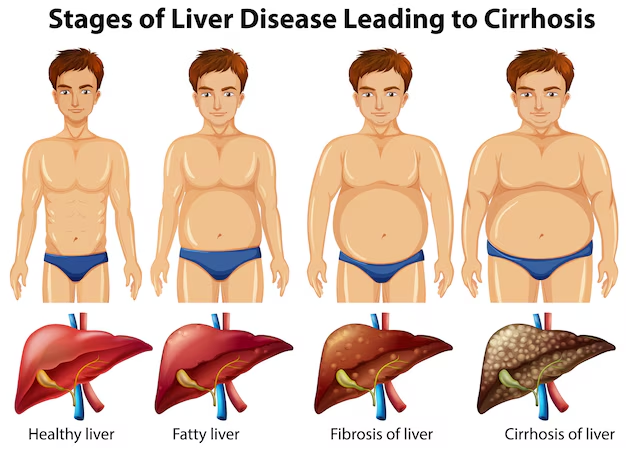
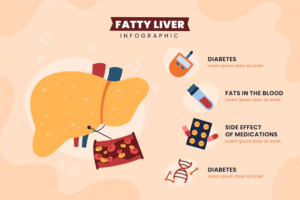
Cirrhosis is the end stage of chronic liver disease where healthy liver tissue is replaced by scar tissue, hindering the liver’s ability to function. Causes include chronic alcohol consumption, hepatitis B and C, non-alcoholic fatty liver disease (NAFLD), and autoimmune liver conditions. Symptoms can range from fatigue and jaundice to more severe manifestations like ascites (fluid accumulation in the abdomen) and hepatic encephalopathy (brain dysfunction due to liver failure).
Ayurveda: An Overview
Ayurveda, a traditional system of medicine originating in India, emphasizes balance among the body’s three doshas—Vata (air and ether), Pitta (fire and water), and Kapha (earth and water). It focuses on achieving harmony within the body through diet, lifestyle, herbal remedies, and treatments tailored to individual constitution and imbalances.
Ayurvedic Perspectives on Cirrhosis
In Ayurveda, cirrhosis can be related to an imbalance in the Pitta dosha, which governs metabolic processes. The liver, integral to Pitta, can become compromised due to excess heat or toxins (Ama). Ayurvedic treatment aims to restore balance, detoxify the liver, and promote overall well-being.
Ayurvedic Management Strategies
1. Dietary Recommendations
- Pitta-Pacifying Foods: Foods that balance Pitta include sweet, bitter, and astringent tastes. Incorporate foods like cucumbers, leafy greens, and bitter melons, which help soothe the liver and reduce inflammation.
- Avoid Pitta-Aggravating Foods: Steer clear of spicy, acidic, and fried foods. These can exacerbate liver issues and contribute to Ama formation.
- Hydration: Drink plenty of water and herbal teas to support liver function and detoxification. Coconut water and barley water are especially beneficial.
- Regular Meals: Eat small, frequent meals to avoid overburdening the liver and maintain steady digestion.
2. Herbal Remedies
- Turmeric (Curcuma longa): Known for its anti-inflammatory and antioxidant properties, turmeric can support liver health and reduce inflammation. It is commonly used in Ayurvedic formulas to aid liver detoxification.
- Bhringraj (Eclipta alba): Often called the “king of herbs” for the liver, Bhringraj supports liver regeneration and overall liver function.
- Kutki (Picrorhiza kurroa): This herb is known for its hepatoprotective qualities and is used to improve liver health and reduce liver damage.
- Ashwagandha (Withania somnifera): This adaptogenic herb helps reduce stress and supports liver function. It is beneficial in managing symptoms and improving overall vitality.
3. Detoxification
- Panchakarma Therapy: A series of detoxifying treatments, including oil massages, steam baths, and enemas, designed to remove toxins and restore balance. This therapy should be supervised by a qualified Ayurvedic practitioner.
- Liver Flushes: Mild liver flushes using herbs like Triphala can help detoxify the liver and support its natural detoxification processes.
4. Lifestyle Adjustments
- Stress Management: Chronic stress can exacerbate liver conditions. Techniques such as yoga, meditation, and deep breathing exercises can help manage stress and support overall liver health.
- Regular Exercise: Gentle exercises like walking or yoga can improve circulation, support digestion, and aid in maintaining a healthy weight, which is crucial for managing cirrhosis.
- Sleep Hygiene: Ensure adequate and quality sleep to support liver repair and overall health.
5. Monitoring and Personalization
- Regular Consultations: Regular check-ups with an Ayurvedic practitioner can help tailor treatments to individual needs and monitor progress.
- Individualized Care: Ayurveda emphasizes personalized care based on one’s constitution (Prakriti) and current imbalances (Vikriti). Treatments should be adjusted according to individual health status and response.
Integrating Ayurveda with Conventional Medicine
While Ayurveda offers valuable insights and supportive therapies, it should be integrated with conventional medical treatments for cirrhosis. Collaboration between Ayurvedic practitioners and conventional healthcare providers ensures comprehensive care. Conventional treatments, including medications and lifestyle changes prescribed by healthcare professionals, remain essential in managing cirrhosis.
Conclusion
Ayurveda provides a holistic approach to managing cirrhosis by addressing the root causes, balancing the doshas, and supporting liver function through diet, herbs, detoxification, and lifestyle changes. By integrating these practices with conventional medical treatments, individuals with cirrhosis can enhance their quality of life and support overall liver health. As always, consult with healthcare professionals to develop a personalized and effective treatment plan that encompasses both traditional and modern approaches.
References
- Chopra, A., et al. (2000). Ayurvedic medicine: Core concept, therapeutic principles, and current evidence. Journal of Clinical Gastroenterology, 30(3), 251-258.
- Sharma, H. (2018). Herbal remedies for liver disorders: A review of the evidence. Journal of Alternative and Complementary Medicine, 24(5), 420-428.
- Patwardhan, B., et al. (2016). Ayurveda and the management of liver disorders. Evidence-Based Complementary and Alternative Medicine, 2016, 1-12.
By embracing both Ayurveda and conventional medicine, we can take a comprehensive approach to managing cirrhosis, aiming for better health outcomes and enhanced quality of life.

About author


Leave a reply