
Understanding Mumps and Its Ayurvedic Remedies: A Holistic Approach to Treatment
Understanding Mumps and Its Ayurvedic Remedies: A Holistic Approach to Treatment is a contagious viral infection characterized by swelling of the salivary glands, particularly the parotid glands located near the ears. The condition is caused by the paramyxovirus and primarily affects children, although adults can also contract it. Once a common childhood illness, mumps has become less prevalent in recent decades due to vaccination. However, outbreaks still occur in certain regions, making it important to understand how to manage this condition.
In Ayurveda, mumps can be correlated with a condition known as Shalakya Tantra, where Kapha and Pitta doshas are primarily involved, causing swelling, inflammation, and infection. Ayurvedic treatment for mumps focuses on boosting immunity, reducing inflammation, managing fever, and addressing the root cause of the infection. This article will explore the Ayurvedic perspective on mumps, its symptoms, causes, and natural remedies to manage the condition effectively.
What is Mumps?
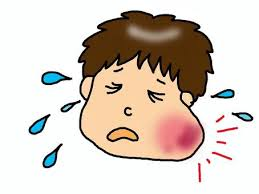
Mumps is a viral infection that primarily affects the salivary glands. It is transmitted through respiratory droplets when an infected person coughs or sneezes, or through direct contact with saliva. After exposure to the virus, it typically takes about two weeks for symptoms to appear.
Mumps generally presents mild symptoms, but in some cases, it can lead to complications, especially in adults. The infection is often self-limiting, meaning it resolves on its own without specific treatment. However, supportive care and remedies are essential to alleviate symptoms and prevent complications.
Symptoms of Mumps
Mumps usually begins with mild flu-like symptoms, which can then progress to swelling of the salivary glands. The most common symptoms include:
- Swollen, painful salivary glands on one or both sides of the face (parotitis)
- Fever
- Headache
- Fatigue
- Loss of appetite
- Muscle aches
- Difficulty chewing or swallowing
In severe cases, mumps can lead to complications, such as:
- Orchitis: Inflammation of the testicles, which can cause pain and swelling.
- Oophoritis: Inflammation of the ovaries, leading to pelvic pain.
- Meningitis: Inflammation of the membranes surrounding the brain and spinal cord.
- Deafness: Rarely, mumps can lead to permanent hearing loss.
Ayurvedic Perspective on Mumps
In Ayurveda, mumps is associated with an imbalance of Kapha and Pitta doshas, which results in swelling and inflammation of the salivary glands. Kapha dosha governs the body’s fluids and mucous membranes, while Pitta dosha controls heat and metabolism. When these doshas become aggravated due to viral infections, they cause blockages and inflammation, leading to conditions like mumps.
Ayurvedic treatment aims to balance these doshas, boost immunity, and support the body in healing naturally. By using herbs, diet, lifestyle changes, and therapies, Ayurveda provides a holistic approach to managing mumps.
Causes of Mumps in Ayurveda
In Ayurvedic terms, mumps can arise due to a combination of factors that disturb the doshas, particularly:
- Agni Mandya (Weakened Digestive Fire): Poor digestion weakens the body’s ability to eliminate toxins (ama), leading to an accumulation of these toxins, which can manifest as infections like mumps.
- Low Immunity: A weakened immune system, often linked to an imbalance of Kapha and Pitta, makes the body more susceptible to viral infections.
- Kapha and Pitta Aggravation: Excess Kapha leads to mucus build-up, while Pitta causes inflammation and heat, which together result in swelling and infection of the salivary glands.
Ayurvedic Diagnosis of Mumps
An Ayurvedic practitioner diagnoses mumps by assessing the patient’s physical symptoms, analyzing the pulse, and understanding the imbalances of the doshas. They also look into the patient’s digestion, immunity, lifestyle, and diet to provide a comprehensive treatment plan that addresses both the symptoms and the root cause of the infection.
Ayurvedic Remedies for Mumps
Ayurveda offers a range of natural remedies to alleviate the symptoms of mumps and promote healing. These remedies focus on reducing inflammation, boosting immunity, and balancing the aggravated Kapha and Pitta doshas. Here are some of the most effective Ayurvedic treatments for mumps:
1. Herbal Remedies
Ayurvedic herbs are known for their potent anti-inflammatory, antiviral, and immune-boosting properties. Some key herbs used in the treatment of mumps include:
- Giloy (Tinospora Cordifolia): Known for its immune-modulating and anti-inflammatory properties, Giloy is highly effective in managing viral infections like mumps. It helps reduce fever, swelling, and inflammation.
- Turmeric (Curcuma Longa): A powerful anti-inflammatory and antiviral herb, turmeric helps reduce the swelling of the salivary glands and alleviates pain. Turmeric can be consumed in the form of warm milk with turmeric powder or applied externally as a paste mixed with honey.
- Neem (Azadirachta Indica): Neem is a potent antiviral and antimicrobial herb that helps eliminate the virus from the body and boosts immunity. A paste made from neem leaves can be applied externally to reduce swelling and inflammation of the salivary glands.
- Tulsi (Holy Basil): Tulsi is known for its antiviral and immune-boosting properties. Consuming Tulsi tea or chewing on Tulsi leaves can help fight the viral infection and reduce symptoms like fever and inflammation.
- Triphala: A combination of three fruits — Amalaki, Bibhitaki, and Haritaki — Triphala is a natural detoxifier that helps remove toxins from the body, improves digestion, and strengthens immunity.
- Ashwagandha (Withania Somnifera): This adaptogenic herb is excellent for reducing inflammation and strengthening the immune system. Ashwagandha also helps the body cope with stress, which can weaken immunity.
2. Ayurvedic Formulations
Certain classical Ayurvedic formulations are known to be highly effective in treating mumps by balancing the doshas and improving immunity. Some of these include:
- Kaishore Guggulu: This formulation is particularly useful for managing inflammatory conditions like mumps. It helps reduce swelling, detoxifies the body, and balances the Kapha and Pitta doshas.
- Chandraprabha Vati: Known for its anti-inflammatory and immune-boosting properties, this formulation is beneficial in reducing glandular swelling and alleviating fever.
- Mahamrityunjaya Rasa: This Ayurvedic formulation helps in reducing fever and strengthening immunity. It is especially useful in managing viral infections like mumps.
- Amritarishta: This herbal tonic helps reduce fever and inflammation and boosts immunity. It is particularly beneficial for managing recurrent viral infections.
3. Dietary Recommendations
In Ayurveda, diet plays a crucial role in managing any health condition, including mumps. The following dietary recommendations help balance the doshas and promote healing during a mumps infection:
- Favor Light, Warm Foods: During a mumps infection, it’s essential to eat easily digestible, warm foods like soups, broths, and porridge. Light meals that don’t strain the digestive system help prevent the accumulation of ama (toxins).
- Avoid Cold and Heavy Foods: Cold, greasy, and heavy foods should be avoided, as they can aggravate Kapha and increase mucus production, worsening swelling.
- Include Immune-Boosting Foods: Incorporate foods that strengthen the immune system, such as turmeric, ginger, garlic, and green leafy vegetables. These foods help fight off the viral infection and promote faster recovery.
- Stay Hydrated: Drinking plenty of fluids, including warm water, herbal teas, and soups, helps keep the body hydrated and supports the immune system.
- Avoid Spicy and Sour Foods: Spicy and sour foods can aggravate Pitta and increase inflammation, so they should be avoided during a mumps infection.
4. Lifestyle and Home Remedies
Along with herbal treatments and dietary changes, certain lifestyle modifications and home remedies can help manage mumps effectively:
- Rest and Relaxation: Adequate rest is essential during a mumps infection to allow the body to heal. Overexertion can weaken the immune system and prolong the recovery process.
- Warm Compresses: Applying warm compresses to the swollen salivary glands can help reduce pain and swelling. This remedy is especially effective in soothing discomfort caused by parotitis.
- Gargling with Warm Salt Water: Gargling with warm salt water helps reduce throat pain and inflammation and can provide relief from the discomfort of swollen glands.
- Avoid Sour and Acidic Foods: Sour and acidic foods like citrus fruits should be avoided, as they can stimulate saliva production and increase discomfort in the salivary glands.
- Panchakarma Therapies: Ayurvedic detoxification therapies like Nasya (nasal administration of medicated oils) and Virechana (purgation therapy) can help balance the doshas and eliminate toxins from the body. These therapies should be performed under the guidance of an experienced Ayurvedic practitioner.
5. Yoga and Pranayama
Yoga and breathing exercises (Pranayama) can support the healing process by reducing stress and improving immunity. Simple asanas like Tadasana (Mountain Pose), Shavasana (Corpse Pose), and Nadi Shodhana (Alternate Nost

About author




Leave a reply