
Understanding Klinefelter Syndrome and the Role of Ayurveda in Its Management
Understanding Klinefelter Syndrome and the Role of Ayurveda in Its Management is a genetic condition affecting males, characterized by the presence of an extra X chromosome. This chromosomal anomaly leads to a range of physical, developmental, and hormonal differences. Individuals with KS often exhibit reduced testosterone levels, delayed puberty, infertility, and other health issues. Conventional medicine primarily focuses on hormone replacement therapy and supportive treatments. However, alternative approaches, such as Ayurveda, offer additional strategies for managing KS. This blog explores the relationship between Klinefelter Syndrome and Ayurveda, providing insights into how traditional Indian medicine might complement conventional care.
What is Klinefelter Syndrome?
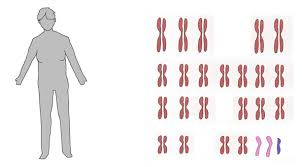
Klinefelter Syndrome is a genetic disorder caused by the presence of one or more extra X chromosomes in males. While the typical male has one X and one Y chromosome (XY), individuals with KS have at least one extra X chromosome (XXY or variants). This chromosomal variation can result in:
- Physical Characteristics: Taller stature, reduced muscle mass, and less facial and body hair.
- Developmental Issues: Delayed speech and language development, learning difficulties.
- Hormonal Imbalances: Lower levels of testosterone, leading to symptoms such as gynecomastia (breast tissue development), reduced libido, and infertility.
- Other Health Concerns: Increased risk of autoimmune disorders, diabetes, and osteoporosis.
Conventional Treatments for Klinefelter Syndrome
The management of Klinefelter Syndrome often includes:
- Hormone Replacement Therapy (HRT): Testosterone replacement is used to address hormone deficiencies and improve secondary sexual characteristics.
- Fertility Treatment: Assisted reproductive technologies (ART) like in vitro fertilization (IVF) may be considered for those seeking to father children.
- Physical Therapy: To help with physical development and muscle strength.
- Psychological Support: Counseling and support groups to manage emotional and psychological aspects.
While these treatments are effective, they do not address all aspects of KS or its long-term management. This is where complementary approaches, such as Ayurveda, may offer additional benefits.
Ayurveda: An Overview
Ayurveda, a traditional Indian system of medicine, dates back over 5,000 years. It is based on the concept of balance among three primary energies or doshas: Vata (air and space), Pitta (fire and water), and Kapha (earth and water). According to Ayurveda, health is achieved when these doshas are balanced.
Key principles of Ayurveda include:
- Holistic Approach: Ayurveda considers the physical, mental, and spiritual aspects of health.
- Personalized Medicine: Treatments are tailored to individual constitution (Prakriti) and current state of imbalance (Vikriti).
- Natural Remedies: Use of herbs, dietary changes, and lifestyle modifications to restore balance.
Ayurveda and Klinefelter Syndrome
While Ayurveda does not specifically address Klinefelter Syndrome as a modern diagnosis, its principles can be adapted to support overall health and well-being in individuals with KS. Here’s how Ayurveda might contribute to managing KS:
1. Balancing Hormones
Ayurveda places significant emphasis on balancing the body’s energies and maintaining hormonal harmony. Although there is no direct equivalent to testosterone in Ayurvedic medicine, several herbs and treatments can help support endocrine function:
- Ashwagandha (Withania somnifera): Known as a powerful adaptogen, ashwagandha can help balance stress hormones and improve overall vitality.
- Shatavari (Asparagus racemosus): Traditionally used to support reproductive health, shatavari may help in balancing hormones and improving overall well-being.
- Gokshura (Tribulus terrestris): Often used to support male reproductive health, gokshura may help in balancing testosterone levels.
2. Improving Physical Strength
Ayurveda recommends specific practices to enhance physical strength and vitality, which can be beneficial for individuals with KS who may experience reduced muscle mass and physical endurance:
- Diet: A balanced diet including warm, nourishing foods can support muscle growth and overall health. Foods like lentils, nuts, and seeds are considered beneficial.
- Exercise: Tailored physical exercises, such as yoga and strength training, can help build muscle and improve physical endurance.
3. Enhancing Mental and Emotional Health
Given that individuals with KS may face emotional and psychological challenges, Ayurveda’s approach to mental health can be supportive:
- Meditation and Pranayama: Practices like meditation and breathing exercises can help reduce stress and improve mental clarity.
- Herbal Support: Herbs like Brahmi (Bacopa monnieri) and Jatamansi (Nardostachys jatamansi) are known for their calming effects and cognitive support.
4. Supporting Digestive Health
Ayurveda emphasizes the importance of digestive health (Agni) in overall well-being. A strong digestive system can enhance nutrient absorption and support overall vitality:
- Digestive Herbs: Herbs like Triphala (a blend of three fruits) can support digestion and detoxification.
- Dietary Practices: Consuming easily digestible, balanced meals at regular intervals supports digestive health.
Integrating Ayurveda with Conventional Care
Integrating Ayurvedic practices with conventional treatments can be beneficial, but it is essential to approach this integration thoughtfully:
- Consult Healthcare Providers: Always discuss Ayurvedic treatments with your healthcare provider to ensure they complement your conventional care.
- Monitor Progress: Regular monitoring of symptoms and progress is crucial to adjusting treatments as needed.
- Personalization: Ayurvedic treatments should be tailored to the individual’s specific needs, considering their unique constitution and health status.
Conclusion
Understanding Klinefelter Syndrome and the Role of Ayurveda in Its Management presents a complex set of challenges that require a multifaceted approach to management. While conventional medicine provides essential treatments, Ayurveda offers additional strategies to support overall health and well-being. By focusing on hormonal balance, physical strength, mental health, and digestive wellness, Ayurveda can complement conventional therapies and provide a holistic approach to managing Klinefelter Syndrome.
As always, it is important to work with healthcare professionals to create a comprehensive care plan that integrates both conventional and alternative approaches, ensuring the best possible outcomes for individuals with Klinefelter Syndrome.


About author





Leave a reply