
Understanding Esophageal Cancer: An Ayurvedic Perspective
Understanding Esophageal Cancer: An Ayurvedic Perspective, a malignancy that affects the esophagus, presents a significant health challenge with its complex nature and multifaceted treatment needs. Traditional Western medicine often involves surgery, chemotherapy, and radiation, but an increasing number of people are turning to complementary approaches such as Ayurveda. Ayurveda, the ancient Indian system of medicine, offers a unique perspective on treating esophageal cancer by focusing on holistic well-being and natural remedies.
What is Esophageal Cancer?
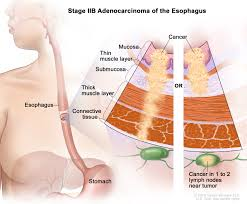
Esophageal cancer originates in the cells lining the esophagus, the tube that connects the throat to the stomach. It can be classified into two main types:
- Squamous Cell Carcinoma: Arising from the flat cells lining the esophagus.
- Adenocarcinoma: Originating from glandular cells that produce mucus and other fluids.
Symptoms often include difficulty swallowing, chest pain, persistent cough, and unintended weight loss. Risk factors include smoking, heavy alcohol consumption, chronic acid reflux, and certain dietary habits.
Ayurvedic Perspective on Esophageal Cancer
Ayurveda, which translates to “the science of life,” is a holistic approach to health that dates back thousands of years. It emphasizes balance among the body’s three primary doshas—Vata (air and space), Pitta (fire and water), and Kapha (earth and water). According to Ayurveda, disease results from an imbalance in these doshas.
**1. ** Understanding Doshas and Esophageal Cancer
In Ayurveda, cancer is viewed as a manifestation of an imbalance in the body’s doshas. For esophageal cancer, the Pitta dosha is often considered predominant due to its association with heat and inflammation. This imbalance can lead to the excessive formation of toxins (ama) and an accumulation of heat in the body, which may contribute to cancer development.
**2. ** Ayurvedic Diagnosis
Ayurvedic diagnosis involves a comprehensive evaluation of the individual’s constitution (Prakriti), current imbalances (Vikriti), and disease manifestations. Practitioners assess symptoms through pulse diagnosis, physical examination, and detailed questioning about lifestyle and diet.
Ayurvedic Treatment Approaches
Ayurvedic treatment for esophageal cancer aims to restore balance, eliminate toxins, and support overall health. Here are some key components:
**1. ** Dietary Recommendations
Diet plays a crucial role in Ayurveda. For individuals with esophageal cancer, an anti-inflammatory and easily digestible diet is recommended:
- Warm, Cooked Foods: Steamed vegetables, soups, and broths help soothe the digestive tract.
- Anti-Inflammatory Spices: Turmeric, ginger, and cumin can reduce inflammation and support digestion.
- Avoid Irritants: Spicy, acidic, and processed foods should be minimized to reduce irritation.
**2. ** Herbal Remedies
Ayurvedic herbs can be beneficial in managing cancer symptoms and supporting treatment. Some commonly used herbs include:
- Ashwagandha (Withania somnifera): Known for its adaptogenic properties, it helps manage stress and improve vitality.
- Turmeric (Curcuma longa): Contains curcumin, which has anti-inflammatory and antioxidant properties.
- Amla (Emblica officinalis): Rich in vitamin C, it supports immune function and detoxification.
**3. ** Detoxification (Panchakarma)
Panchakarma is a series of detoxification treatments aimed at removing toxins from the body. For esophageal cancer, procedures may include:
- Vamana: Therapeutic vomiting to eliminate excess mucus and toxins.
- Virechana: Purgation therapy to cleanse the digestive tract.
- Basti: Medicated enemas to balance the doshas and detoxify the lower gastrointestinal tract.
**4. ** Lifestyle Modifications
Ayurveda emphasizes lifestyle changes to support health:
- Stress Management: Techniques such as meditation, yoga, and deep breathing can help reduce stress and improve overall well-being.
- Regular Routine: Following a consistent daily routine supports balance and strengthens the immune system.
**5. ** Supportive Therapies
Ayurvedic therapies such as Abhyanga (oil massage) and Shirodhara (pouring oil on the forehead) can promote relaxation, improve circulation, and enhance overall quality of life.
Integrating Ayurveda with Conventional Medicine
Ayurveda can be used alongside conventional treatments like chemotherapy and radiation to enhance overall care. Integration involves working with healthcare providers to ensure that complementary therapies do not interfere with conventional treatments.
**1. ** Consultation with Healthcare Providers
Before starting Ayurvedic treatments, consult with both Ayurvedic practitioners and oncologists to ensure a coordinated approach. It’s crucial to discuss all therapies being used to avoid any adverse interactions.
**2. ** Monitoring and Adjustment
Regular monitoring of the condition and adjustment of treatments based on individual responses are important. Ayurvedic treatments should be tailored to the individual’s specific needs and health status.
Case Studies and Research
While there is anecdotal evidence supporting the benefits of Ayurveda in managing cancer, scientific research is limited. However, ongoing studies are exploring how Ayurvedic practices can complement conventional cancer treatments and improve quality of life.
**1. ** Case Studies
Some case studies highlight the positive impact of Ayurvedic treatments on managing symptoms and improving overall health. These include anecdotal evidence of reduced side effects from conventional treatments and enhanced recovery.
**2. ** Scientific Research
Research is gradually exploring the efficacy of Ayurvedic herbs and therapies in cancer care. Promising studies suggest that certain Ayurvedic practices may support conventional treatments and contribute to overall well-being.
Conclusion
Ayurveda offers a holistic approach to managing esophageal cancer by focusing on balancing the body, eliminating toxins, and supporting overall health. While it is not a replacement for conventional treatments, it can be a valuable complementary approach when integrated with standard medical care.
**1. ** Personalized Approach
Every individual’s experience with esophageal cancer is unique, and Ayurvedic treatments should be personalized to address specific needs and imbalances.
**2. ** Collaborative Care
A collaborative approach involving both Ayurvedic practitioners and conventional medical professionals ensures a comprehensive treatment plan that addresses both physical and emotional aspects of cancer care.
By integrating Ayurveda with conventional treatments, patients can benefit from a holistic approach that supports their overall well-being, manages symptoms, and enhances their quality of life.
**3. ** Future Directions
As research in integrative medicine progresses, there will likely be more evidence supporting the role of Ayurveda in cancer care. Continued exploration and collaboration will contribute to a more comprehensive understanding of how these ancient practices can benefit modern cancer patients.
In summary, Ayurveda provides valuable insights and supportive therapies for managing esophageal cancer. Emphasizing balance, detoxification, and holistic well-being, it offers a complementary approach that can enhance conventional cancer treatments and support overall health.

About author




Leave a reply