
Understanding Aortic Aneurysm and Ayurveda: A Comprehensive Overview
Understanding Aortic Aneurysm and Ayurveda: A Comprehensive Overview aneurysm is a serious medical condition characterized by the abnormal enlargement of the aorta, the largest artery in the body. This condition can lead to life-threatening complications if not managed properly. While modern medicine provides several treatment options, many people are turning to complementary approaches like Ayurveda to manage their health conditions. In this blog, we’ll explore what an aortic aneurysm is, the conventional treatment options available, and how Ayurveda may offer complementary benefits.
What is an Aortic Aneurysm?
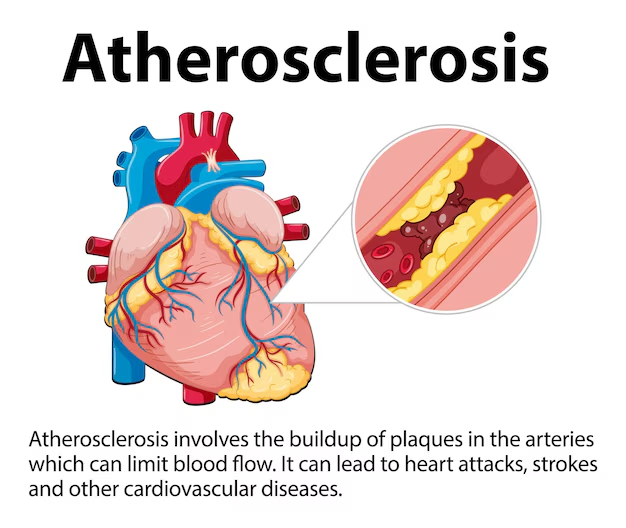
An aortic aneurysm occurs when the wall of the aorta weakens and bulges outwards, creating a balloon-like swelling. This can occur in different parts of the aorta: the abdominal aorta (abdominal aortic aneurysm, AAA) or the thoracic aorta (thoracic aortic aneurysm, TAA). The aneurysm can grow slowly over time and may not present symptoms until it becomes significantly large or ruptures, leading to a medical emergency.
Types of Aortic Aneurysms:
- Abdominal Aortic Aneurysm (AAA): Located in the abdomen.
- Thoracic Aortic Aneurysm (TAA): Located in the chest.
- Thoracoabdominal Aneurysm: Extending from the chest into the abdomen.
Conventional Treatment Approaches
1. Monitoring:
For small aneurysms that do not cause symptoms, doctors may recommend regular monitoring through imaging studies to track any changes in size.
2. Medications:
Medications may be prescribed to manage blood pressure and cholesterol levels, as high blood pressure and high cholesterol can contribute to aneurysm growth.
3. Surgical Intervention:
For larger or symptomatic aneurysms, surgical options include:
- Open Surgery: Involves replacing the weakened section of the aorta with a synthetic graft.
- Endovascular Aneurysm Repair (EVAR): A minimally invasive procedure where a stent graft is inserted through a catheter to reinforce the aorta.
Ayurveda: A Holistic Approach to Health
Ayurveda is an ancient system of medicine from India that emphasizes balance among the body, mind, and spirit. It seeks to address the root cause of health issues rather than just alleviating symptoms. The Ayurvedic perspective on health is rooted in the concept of “doshas,” which are the three fundamental bodily energies: Vata, Pitta, and Kapha. Each dosha represents a combination of the five elements—earth, water, fire, air, and space.
Ayurveda and Cardiovascular Health
In Ayurveda, cardiovascular health is closely linked to the balance of doshas, particularly Vata and Pitta. An imbalance in these doshas can lead to various health issues, including those affecting the aorta. Ayurvedic treatments aim to restore balance and support overall well-being through diet, lifestyle changes, herbal remedies, and therapeutic practices.
1. Diet and Lifestyle:
- Diet: An Ayurvedic diet for cardiovascular health focuses on foods that balance Vata and Pitta doshas. This includes incorporating warm, cooked foods, healthy fats (such as ghee and olive oil), and spices like turmeric and ginger that support circulation and reduce inflammation.
- Lifestyle: Stress management through practices such as yoga and meditation is emphasized. Regular physical activity that is gentle and suitable for one’s constitution (Prakriti) is recommended.
2. Herbal Remedies:
Ayurveda utilizes a range of herbs known for their beneficial effects on cardiovascular health. Some key herbs include:
- Arjuna (Terminalia arjuna): Known for its cardioprotective properties, Arjuna supports heart health and helps maintain normal blood pressure.
- Ashwagandha (Withania somnifera): A powerful adaptogen that reduces stress and supports overall vitality.
- Brahmi (Bacopa monnieri): Known for its ability to enhance cognitive function and support mental clarity, which can indirectly benefit heart health.
3. Panchakarma Therapy:
Panchakarma is a series of detoxifying treatments designed to cleanse the body of toxins and restore balance. This includes therapies such as:
- Abhyanga (Ayurvedic Massage): A therapeutic massage with medicated oils that helps improve circulation and reduce stress.
- Basti (Therapeutic Enema): Administered to cleanse and nourish the colon, which is believed to impact overall health.
Integrating Ayurveda with Conventional Treatments
For individuals with an aortic aneurysm, integrating Ayurvedic practices with conventional medical treatments can provide a holistic approach to managing the condition. Here’s how this integration might work:
1. Consultation with Healthcare Providers:
Always consult with your healthcare provider before starting any new treatment regimen. Integrating Ayurveda should complement, not replace, conventional treatments.
2. Personalized Approach:
Ayurvedic treatment should be tailored to the individual’s specific constitution and health condition. A qualified Ayurvedic practitioner can help create a personalized plan that aligns with your medical treatments.
3. Monitoring and Adjustments:
Regular monitoring by your healthcare provider is essential to assess the effectiveness of both conventional and Ayurvedic treatments. Adjustments may be needed based on your progress.
The Future of Integrative Medicine
The integration of Ayurveda with modern medicine represents a growing trend in holistic health care. As more people seek to complement conventional treatments with alternative approaches, it is crucial to approach such integrative methods with an informed and balanced perspective. Research into the efficacy of Ayurvedic treatments for various conditions, including aortic aneurysms, is ongoing and will provide further insights into their potential benefits.
Conclusion
Understanding Aortic Aneurysm and Ayurveda: A Comprehensive Overview is a serious condition requiring careful management through conventional medical treatments. Ayurveda offers a complementary approach that focuses on restoring balance and supporting overall well-being. By integrating Ayurvedic principles with conventional care, individuals can benefit from a holistic approach that addresses both the physical and emotional aspects of health.
If you or a loved one is dealing with an aortic aneurysm, it is important to work closely with healthcare professionals to develop a comprehensive treatment plan. Embracing a holistic approach that includes Ayurvedic practices can provide additional support and potentially enhance overall health outcomes.
About author


One comment on “Understanding Aortic Aneurysm and Ayurveda: A Comprehensive Overview”
aortic aneurysm treatment singapore
Simply want to say your article is as surprising. The clarity in your post is just
great and i could assume you are an expert on this subject.
Well with your permission let me to grab your feed to keep updated with forthcoming post.
Thanks a million and please continue the enjoyable work.