
Exploring Ayurvedic Perspectives on Rabies: A Comprehensive Overview
Exploring Ayurvedic Perspectives on Rabies: A Comprehensive Overview is a deadly viral disease that remains a significant health challenge in many parts of the world. It is caused by the rabies virus, primarily transmitted through the bite of an infected animal, most commonly dogs. Once clinical symptoms appear, rabies is nearly always fatal. The mainstay of modern treatment is post-exposure prophylaxis (PEP), which is highly effective if administered promptly. However, there is growing interest in exploring complementary and alternative therapies, including Ayurveda, to support overall health and well-being.
Understanding Rabies

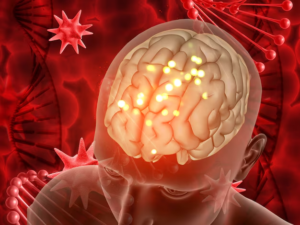
Rabies is a zoonotic disease, meaning it is transmitted from animals to humans. The rabies virus belongs to the Lyssavirus genus and primarily infects mammals. After transmission, the virus travels along the nerves to the brain, causing inflammation and, ultimately, encephalitis. The incubation period for rabies can vary, but symptoms typically develop within one to three months after exposure.
Symptoms of Rabies
Rabies symptoms can be classified into two main forms:
- Furious Rabies: This form is characterized by severe agitation, aggression, confusion, hallucinations, and hydrophobia (fear of water). It progresses rapidly to paralysis and coma.
- Paralytic Rabies: Also known as “dumb rabies,” this form begins with muscle weakness and paralysis, often starting at the site of the bite. It progresses to respiratory failure and death.
Modern Treatment Approaches
The primary treatment for rabies is post-exposure prophylaxis (PEP), which includes:
- Rabies Vaccination: A series of vaccinations administered over several weeks to stimulate the immune system to fight the virus.
- Rabies Immune Globulin (RIG): Administered in conjunction with the vaccine, RIG provides immediate passive immunity by supplying antibodies against the rabies virus.
PEP is highly effective when given promptly after exposure, preventing the onset of symptoms and progression of the disease.
Ayurveda: An Overview
Ayurveda is an ancient system of medicine that originated in India. It is based on the concept of balancing the body’s three fundamental energies, or doshas: Vata, Pitta, and Kapha. Ayurveda aims to maintain health and prevent disease through a combination of diet, lifestyle changes, herbal remedies, and therapies.
Ayurvedic Principles
- Dosha Balance: Ayurveda posits that health is maintained by balancing the doshas, which represent different bodily functions. Imbalance in these doshas can lead to disease.
- Agni (Digestive Fire): The concept of Agni refers to the digestive power of the body. Proper digestion is considered crucial for maintaining overall health.
- Ojas (Vital Energy): Ojas is the essence of bodily health and vitality. Strong Ojas is believed to support immunity and overall well-being.
Ayurveda and Rabies: Potential Approaches
While Ayurveda does not offer a direct treatment for rabies, it provides a holistic approach to health that can support overall resilience and well-being. Here are some Ayurvedic concepts and practices that may complement conventional treatments:
1. Strengthening the Immune System
Ayurveda emphasizes the importance of a robust immune system to maintain health and prevent diseases. Some Ayurvedic herbs and formulations that are believed to enhance immune function include:
- Ashwagandha (Withania somnifera): Known for its adaptogenic properties, Ashwagandha helps the body adapt to stress and supports immune health.
- Tulsi (Ocimum sanctum): Also called holy basil, Tulsi is renowned for its immune-enhancing properties and ability to reduce inflammation.
- Guduchi (Tinospora cordifolia): This herb is used in Ayurveda to boost immunity and detoxify the body.
2. Detoxification and Purification
Ayurvedic detoxification methods aim to cleanse the body of accumulated toxins and maintain health. While Panchakarma is not a treatment for rabies, its principles can support overall health. Detoxification methods include:
- Virechana (Purgation): This therapy involves the use of herbal medicines to cleanse the digestive tract and remove toxins.
- Basti (Enema Therapy): Basti involves administering medicated enemas to detoxify the lower gastrointestinal tract.
3. Diet and Lifestyle Recommendations
Ayurveda advocates a balanced diet and lifestyle to support overall health. For individuals at risk of rabies or recovering from exposure, the following practices may be beneficial:
- Consume Warm, Cooked Foods: Warm, cooked foods are easier to digest and help maintain digestive balance.
- Avoid Heavy and Spicy Foods: Excessive spices and heavy foods can aggravate the digestive system and overall health.
- Prioritize Regular Sleep and Stress Management: Adequate sleep and effective stress management are crucial for maintaining a healthy immune system.
Integrating Ayurveda with Conventional Treatment
It is important to understand that Ayurveda should complement rather than replace conventional treatments for rabies. The primary treatment for rabies is PEP, which has been proven effective in preventing the onset of the disease. Ayurveda can provide supportive care by promoting overall health and resilience.
Steps for Integrative Care:
- Adhere to Conventional Protocols: Follow the prescribed PEP regimen, including vaccinations and, if necessary, rabies immune globulin.
- Consult Ayurvedic Practitioners: Seek guidance from qualified Ayurvedic practitioners to incorporate supportive herbal remedies and lifestyle changes that can complement conventional treatments.
- Maintain a Holistic Approach: Focus on overall well-being through balanced diet, stress management, and good hygiene practices to support the body’s ability to cope with exposure and treatment.
Conclusion
Rabies is a serious disease that requires immediate and effective medical intervention. Modern treatments, including post-exposure prophylaxis, are crucial in preventing the progression of the disease. While Ayurveda does not provide a specific cure for rabies, its holistic approach to health can support overall well-being and resilience. Integrating Ayurvedic practices with conventional treatments can enhance overall health and support the recovery process.
Always consult healthcare professionals before incorporating any alternative treatments into your health regimen, particularly for serious conditions like rabies. By combining the strengths of both conventional medicine and complementary therapies, individuals can achieve a more comprehensive approach to health and recovery.


About author


Leave a reply