
A Comprehensive Guide to Managing Vertigo with Ayurveda
A Comprehensive Guide to Managing Vertigo with Ayurveda, a condition characterized by a sensation of spinning or dizziness, can significantly impact daily life. While conventional medicine offers various treatments, Ayurveda—a traditional system of medicine from India—provides a holistic approach to managing vertigo. This blog delves into the Ayurvedic perspective on vertigo, its causes, diagnostic methods, and treatment strategies, offering a detailed guide to integrating Ayurvedic principles into your wellness routine.
Understanding Vertigo

Vertigo is a symptom rather than a diagnosis, and it can be caused by a range of underlying conditions. The sensation of vertigo often feels like you or your surroundings are spinning or moving when they are not. Vertigo can be classified into two main types:
- Peripheral Vertigo: This type originates from issues in the inner ear, which is crucial for maintaining balance. Common causes include Benign Paroxysmal Positional Vertigo (BPPV), Meniere’s disease, and vestibular neuritis.
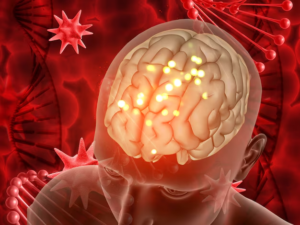
- Central Vertigo: This type arises from problems in the brain, particularly the brainstem or cerebellum. Causes can include migraine-associated vertigo, multiple sclerosis, and strokes.
The Ayurvedic Perspective on Vertigo
Ayurveda, the ancient Indian system of medicine, is rooted in the concept of balance among three fundamental doshas: Vata, Pitta, and Kapha. These doshas represent different combinations of the five elements—earth, water, fire, air, and space—and are believed to influence all physiological and psychological processes in the body.
In Ayurveda, vertigo is seen as a result of imbalances in these doshas:
- Vata Dosha: Associated with movement and the nervous system, an imbalance in Vata can lead to symptoms like dizziness and vertigo. Excessive Vata can disrupt equilibrium and create instability.
- Pitta Dosha: Governing digestion, metabolism, and transformation, an imbalance in Pitta can lead to inflammation and overheating, which might affect the inner ear and brain, contributing to vertigo.
- Kapha Dosha: Though less directly related to vertigo, an imbalance in Kapha can cause mucus or fluid retention, potentially affecting the inner ear and sinuses, exacerbating vertigo symptoms.
Causes of Vertigo According to Ayurveda
From an Ayurvedic perspective, vertigo can stem from several imbalances and factors:
- Vata Imbalance: Excess Vata can lead to dryness, instability, and disturbances in the nervous system. This imbalance can affect the inner ear’s ability to maintain balance, leading to dizziness.
- Pitta Imbalance: Increased Pitta can cause overheating and inflammation, which may impact the sensory organs and brain, contributing to symptoms of vertigo.
- Kapha Imbalance: Excess Kapha can result in fluid retention or congestion, affecting the inner ear or sinuses and potentially leading to vertigo.
- Digestive Issues: Poor digestion (Agni) and the accumulation of toxins (Ama) can affect various bodily systems, including those responsible for balance, leading to vertigo.
- Emotional and Mental Stress: Ayurveda recognizes the impact of stress and emotional disturbances on physical health. Stress can exacerbate Vata imbalances and contribute to vertigo.
Ayurvedic Diagnosis of Vertigo
Diagnosis in Ayurveda involves a comprehensive assessment to identify dosha imbalances and underlying causes of vertigo:
- Patient History: Detailed inquiry about the onset, duration, and characteristics of vertigo, as well as any associated symptoms or triggers.
- Physical Examination: Observing physical signs of dosha imbalances, such as dryness, inflammation, or congestion.
- Pulse Diagnosis (Nadi Pariksha): Analyzing the pulse to determine the balance of Vata, Pitta, and Kapha.
- Tongue Diagnosis: Examining the tongue to assess digestive health and dosha imbalances.
- Ayurvedic Tests: Additional tests may be used to evaluate internal health and the presence of toxins.
Ayurvedic Treatments for Vertigo
Ayurvedic treatment for vertigo focuses on restoring dosha balance and addressing the root cause of the condition. Here are some common Ayurvedic treatments and practices:
- Dietary Adjustments:
- For Vata Imbalance: Incorporate warm, moist, and nourishing foods. Avoid cold or dry foods that can aggravate Vata.
- For Pitta Imbalance: Consume cooling and calming foods. Avoid spicy, oily, or acidic foods that can increase Pitta.
- For Kapha Imbalance: Opt for light, dry, and stimulating foods. Avoid heavy, oily, or sweet foods that can aggravate Kapha.
- Herbal Remedies:
- Brahmi (Bacopa monnieri): Known for its calming effects on the nervous system and its ability to enhance cognitive function.
- Ashwagandha (Withania somnifera): Helps reduce stress and balance Vata dosha.
- Shatavari (Asparagus racemosus): Supports overall well-being and helps balance Pitta.
- Panchakarma Therapy: This detoxification process includes procedures like Abhyanga (oil massage), Shirodhara (oil pouring on the forehead), and Vasti (medicated enemas) to cleanse and rejuvenate the body.
- Nasya (Nasal Therapy): Administering medicated oils through the nasal passages can help clear congestion and balance doshas.
- Yoga and Meditation:
- Yoga Asanas: Gentle yoga poses can improve balance and reduce vertigo symptoms. Poses such as Sukhasana (Easy Pose) and Shavasana (Corpse Pose) are beneficial.
- Meditation: Practicing meditation can help manage stress and improve mental clarity, which may alleviate vertigo symptoms.
- Lifestyle Modifications:
- Routine: Establishing a regular daily routine can stabilize Vata and Pitta doshas.
- Sleep: Ensure adequate and restful sleep to support overall health.
- Stress Management: Engage in relaxation techniques to manage stress and prevent exacerbation of symptoms.
Integrating Ayurveda with Conventional Treatments
Ayurveda can complement conventional medical treatments for vertigo by addressing dosha imbalances and enhancing overall well-being. It is essential to consult with a healthcare provider or Ayurvedic practitioner to develop a personalized treatment plan that integrates both approaches effectively.
Conclusion
Vertigo can be a challenging condition, but Ayurveda offers a comprehensive and holistic approach to managing and alleviating its symptoms. By focusing on balancing the doshas, addressing dietary and lifestyle factors, and incorporating herbal remedies and therapies, Ayurveda provides a valuable framework for enhancing overall health and well-being.
If you experience persistent vertigo, consider exploring Ayurvedic treatments alongside conventional medical advice. A qualified Ayurvedic practitioner can help tailor a treatment plan to your specific needs, promoting balance and supporting your journey towards a healthier and more stable life.

About author




Leave a reply