
Tetanus and Ayurveda: A Holistic Approach to Recovery
Tetanus and Ayurveda: A Holistic Approach to Recovery is a severe and potentially life-threatening infection caused by the bacterium Clostridium tetani. The disease is characterized by painful muscle contractions, particularly in the jaw and neck, and can lead to serious complications if not promptly treated. While conventional medical treatments are crucial in managing tetanus, incorporating Ayurvedic principles can offer complementary support to enhance recovery and overall well-being.
Understanding Tetanus: Conventional Treatments and Challenges
Tetanus typically starts with symptoms such as stiffness of the jaw (lockjaw), difficulty swallowing, and muscle spasms. Without timely treatment, it can escalate to severe muscle contractions, fever, sweating, and potentially life-threatening complications.
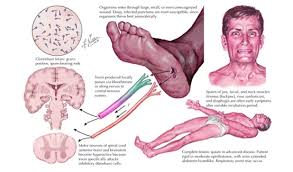
Conventional treatment for tetanus includes:
- Wound Care: Immediate and thorough cleaning of the wound to remove tetanus spores.
- Tetanus Immunoglobulin (TIG) Therapy: Administration of TIG to neutralize the tetanospasmin toxin produced by the bacteria.
- Tetanus Vaccination: A booster shot may be given if the patient’s vaccination status is not up-to-date.
- Antibiotics: To combat the bacterial infection.
- Muscle Relaxants and Sedatives: To manage severe muscle spasms and pain.
While these treatments are essential for managing the acute phase of tetanus, Ayurveda can provide additional support through a holistic approach to health. Ayurveda focuses on balancing the body’s energies and promoting overall wellness, which can be beneficial in recovery and maintaining health.
Ayurveda: A Holistic System of Medicine
Ayurveda, originating from ancient India, is a holistic system that emphasizes balance among the body’s three primary doshas: Vata, Pitta, and Kapha. These doshas are believed to be combinations of the five elements—earth, water, fire, air, and space—and they govern various physiological and psychological functions.
In Ayurveda, illness is viewed as an imbalance in these doshas, and treatment aims to restore balance and harmony. For a condition like tetanus, Ayurveda offers supportive therapies to enhance the body’s natural healing processes, promote detoxification, and support overall recovery.
Ayurvedic Strategies for Supporting Recovery from Tetanus
1. Diet and Nutrition
Diet plays a crucial role in Ayurveda and can significantly influence the recovery process. A balanced diet helps strengthen the immune system, aids in detoxification, and supports overall well-being.
- Warm, Nourishing Foods: Consume warm, cooked foods that are easy to digest. Soups, stews, and porridge are ideal as they provide nourishment without overburdening the digestive system.
- Anti-inflammatory Spices: Include spices such as turmeric, ginger, and black pepper in your diet. Turmeric, with its active compound curcumin, has potent anti-inflammatory and antioxidant properties that can aid in recovery.
- Hydration: Adequate fluid intake is essential. Herbal teas like chamomile, ginger, and fennel can support digestion and help keep the body hydrated.
2. Herbal Remedies
Ayurvedic herbs can provide additional support for managing symptoms and boosting recovery. Some notable herbs include:
- Ashwagandha (Withania somnifera): Known for its adaptogenic properties, ashwagandha helps reduce stress and support overall vitality. It can be beneficial for improving resilience during the recovery period.
- Turmeric (Curcuma longa): Contains curcumin, which helps reduce inflammation and supports immune function. It can be added to meals or taken in supplement form.
- Guduchi (Tinospora cordifolia): Known for its immune-boosting properties, Guduchi helps enhance the body’s natural defense mechanisms.
These herbs can be used in various forms such as teas, capsules, or powders. It is advisable to consult an Ayurvedic practitioner for personalized recommendations and dosages.
3. Panchakarma Therapies
Panchakarma is a set of five therapeutic treatments aimed at detoxifying and rejuvenating the body. These therapies can be particularly beneficial for supporting recovery from serious illnesses:
- Abhyanga (Oil Massage): Regular oil massages with warm, medicated oils can help relax muscles, improve circulation, and promote overall relaxation. This therapy supports muscle recovery and reduces tension.
- Shirodhara: This treatment involves the gentle pouring of warm oil on the forehead. It helps calm the nervous system, reduce stress, and promote mental clarity.
- Virechana (Purgation Therapy): A cleansing procedure that helps remove toxins from the digestive tract, improving digestion and supporting overall detoxification.
4. Yoga and Pranayama
Incorporating yoga and pranayama (breathing exercises) can aid in recovery by enhancing physical and mental well-being:
- Yoga: Gentle yoga postures and stretches can help alleviate muscle stiffness and improve flexibility. Focus on poses that promote relaxation and ease of movement.
- Pranayama: Breathing exercises such as Nadi Shodhana (alternate nostril breathing) help reduce stress, improve oxygenation, and support overall mental clarity.
Practicing yoga and pranayama should be done under the guidance of a qualified instructor, especially during recovery.
5. Lifestyle Adjustments
Adopting lifestyle practices that align with Ayurvedic principles can support overall health and recovery:
- Rest and Recovery: Ensure sufficient rest to support the body’s healing processes. Avoid overexertion and manage stress effectively.
- Routine: Establish a daily routine that includes regular sleep patterns, balanced meals, and moderate physical activity. Consistency in daily habits helps maintain balance and supports recovery.
Integrating Ayurveda with Conventional Medicine
It is essential to understand that Ayurveda should complement, not replace, conventional treatments for tetanus. Conventional medical care is crucial for managing the acute phase of the disease, while Ayurvedic practices can provide supportive care and enhance overall well-being.
A collaborative approach that combines the strengths of both conventional and Ayurvedic treatments can offer a comprehensive strategy for recovery and health maintenance. Engaging with both medical and Ayurvedic practitioners ensures a well-rounded approach to healing.
Consultation with Healthcare Professionals
Before starting any Ayurvedic treatments, it is crucial to consult with healthcare professionals. This is especially important for individuals recovering from serious conditions like tetanus, as some herbal remedies and therapies may interact with conventional treatments.
An integrative approach, guided by qualified professionals, ensures the best outcomes for both conventional and complementary treatments. By working with healthcare providers, individuals can tailor a recovery plan that addresses their specific needs and promotes overall health.
Conclusion
Tetanus is a serious condition that requires prompt and effective medical treatment. While conventional medicine is essential for managing the infection and its complications, Ayurveda offers valuable complementary support. Through balanced nutrition, herbal remedies, therapeutic practices, and lifestyle adjustments, Ayurveda can enhance recovery and overall well-being.
Integrating Ayurvedic principles with conventional treatments provides a holistic approach to health, addressing both the physical and mental aspects of recovery. Always seek guidance from qualified professionals to ensure a safe and effective combination of treatments. With a comprehensive approach to health and recovery, individuals can achieve optimal outcomes and support their overall wellness.
About author


Leave a reply