
Ayurveda and Yeast Infections: A Holistic Approach to Healing
Ayurveda and Yeast Infections: A Holistic Approach to Healing, particularly those caused by Candida species, are a common issue affecting millions globally. They can cause discomfort, itching, and inflammation, and while conventional medicine often relies on antifungal medications, Ayurveda offers a holistic and natural approach to managing and preventing these infections. This ancient system of medicine, originating from India, emphasizes balance and harmony in the body, mind, and spirit. This blog explores Ayurvedic principles and remedies that can be beneficial in addressing yeast infections.
Understanding Yeast Infections

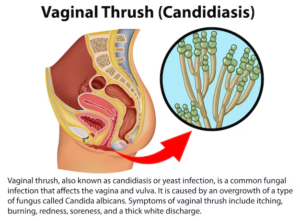
A yeast infection is an overgrowth of Candida, a type of fungus that naturally resides in small amounts in the body, especially in the mouth, throat, and vaginal area. An imbalance in the body’s natural flora can lead to overgrowth, causing symptoms such as:
- Itching and burning
- Redness and swelling
- Thick, white discharge
- Pain during intercourse or urination
Factors such as antibiotic use, hormonal changes, a weakened immune system, or a diet high in sugar can contribute to yeast overgrowth. Conventional treatments typically involve antifungal medications, but Ayurveda seeks to address the root cause of the imbalance rather than merely alleviating symptoms.
The Ayurvedic Perspective
Ayurveda is based on the principle of balancing the body’s three doshas—Vata, Pitta, and Kapha. These doshas represent different energies and are believed to govern various physiological and psychological processes. In the context of yeast infections, Ayurveda focuses on the balance between these doshas and the body’s internal environment.
Dosha Imbalance and Yeast Infections
- Pitta Dosha: Associated with heat and metabolism, an imbalance in Pitta can lead to inflammatory conditions, including those affecting the skin and mucous membranes. Excessive Pitta may contribute to the symptoms of yeast infections.
- Kapha Dosha: Related to fluid balance and mucous production, an imbalance in Kapha can lead to excess moisture and a conducive environment for yeast overgrowth.
- Vata Dosha: Although less directly related, an imbalance in Vata can affect the digestive system and overall immune function, potentially influencing susceptibility to infections.
Ayurvedic Treatments for Yeast Infections
Ayurvedic treatments aim to restore balance in the body by addressing the root cause of the imbalance. Here are some strategies and remedies commonly used in Ayurveda to manage and prevent yeast infections:
1. Dietary Adjustments
Diet plays a crucial role in Ayurveda. To combat yeast infections, consider the following dietary recommendations:
- Reduce Sugar Intake: Candida thrives on sugar. Limiting sugary foods and beverages can help starve the yeast and reduce overgrowth.
- Include Probiotic-Rich Foods: Foods like yogurt and kefir contain beneficial bacteria that can help maintain a healthy balance of flora in the digestive system.
- Incorporate Anti-Inflammatory Foods: Foods such as turmeric, ginger, and garlic possess anti-inflammatory properties that can support the immune system and help combat infections.
2. Herbal Remedies
Ayurvedic herbs are used to balance the doshas and support the body’s natural healing processes. Some beneficial herbs for managing yeast infections include:
- Neem (Azadirachta indica): Known for its antifungal and antimicrobial properties, neem can help combat Candida and support overall skin health.
- Tulsi (Ocimum sanctum): Also known as holy basil, tulsi has antimicrobial and anti-inflammatory properties that can support the immune system.
- Turmeric (Curcuma longa): Turmeric contains curcumin, a compound with potent anti-inflammatory and antifungal effects that can help reduce symptoms associated with yeast infections.
3. Lifestyle Practices
In addition to dietary changes and herbal remedies, certain lifestyle practices can support overall health and prevent yeast infections:
- Maintain Proper Hygiene: Keeping the affected areas clean and dry can help prevent the growth of yeast. Avoid using harsh soaps or douches that can disrupt the natural flora.
- Wear Breathable Clothing: Opt for cotton underwear and loose-fitting clothing to reduce moisture and allow the skin to breathe.
- Manage Stress: Chronic stress can weaken the immune system and contribute to imbalances in the body. Practices such as yoga, meditation, and mindfulness can help manage stress and promote overall well-being.
4. Ayurvedic Therapies
Several Ayurvedic therapies can complement dietary and herbal approaches in managing yeast infections:
- Panchakarma: This detoxification therapy involves various treatments to cleanse the body of toxins and restore balance. It can help improve overall health and support the immune system.
- Abhyanga: Ayurvedic oil massage can help balance the doshas and improve circulation, which can aid in the body’s natural healing processes.
Preventing Yeast Infections with Ayurveda
Preventing yeast infections involves maintaining a balanced lifestyle and supporting the body’s natural defenses. Here are some Ayurvedic tips for preventing future infections:
- Follow a Balanced Diet: Eating a variety of fresh, whole foods and avoiding excessive sugar and processed foods can help maintain a healthy balance of flora in the body.
- Support Digestive Health: A strong digestive system is crucial for overall health. Consuming digestive herbs and maintaining regular bowel movements can support a healthy gut environment.
- Stay Hydrated: Drinking plenty of water helps flush out toxins and supports overall bodily functions.
Integrating Ayurveda with Conventional Treatments
Ayurveda and Yeast Infections: A Holistic Approach to Healing offers a holistic approach to managing yeast infections, it is essential to integrate these practices with conventional medical treatments when necessary. If you are experiencing severe symptoms or recurrent infections, consult a healthcare professional to determine the most appropriate course of action.
Combining Ayurvedic remedies with conventional treatments can provide a comprehensive approach to managing yeast infections, addressing both the symptoms and the underlying imbalances in the body.
Conclusion
Ayurveda offers valuable insights and remedies for managing yeast infections by focusing on restoring balance and harmony within the body. By incorporating dietary changes, herbal remedies, lifestyle practices, and Ayurvedic therapies, individuals can support their overall health and prevent future infections. As with any medical condition, it is important to consult with a healthcare provider to ensure that the chosen approach is appropriate for your specific needs and circumstances. Through a combination of traditional wisdom and modern medical practices, achieving optimal health and well-being is within reach.

About author




Leave a reply