
Understanding Nephritis: An Ayurvedic Perspective on Treatment and Management
Understanding Nephritis: An Ayurvedic Perspective on Treatment and Management, an inflammation of the kidneys, poses significant challenges for individuals affected by this condition. It can arise from various causes, including infections, autoimmune disorders, and certain medications. Traditional treatments often involve medication and lifestyle adjustments, but many seek complementary approaches for managing their condition. Ayurveda, an ancient system of medicine originating in India, offers a holistic perspective on health and healing. This blog explores nephritis from an Ayurvedic standpoint, focusing on treatment strategies, dietary recommendations, and lifestyle changes that may support kidney health.
What is Nephritis?
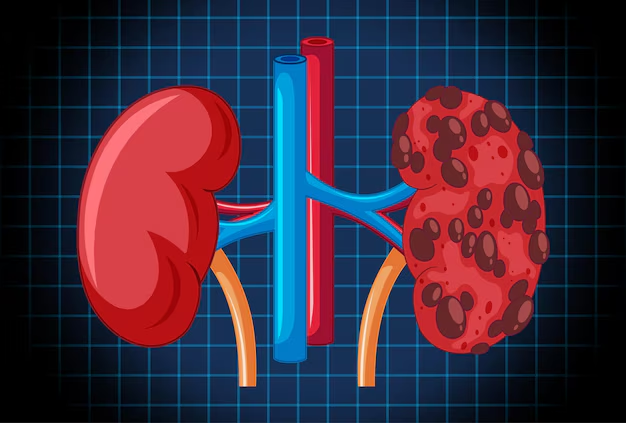
Nephritis refers to the inflammation of the kidneys, which can affect their ability to filter waste from the blood effectively. It can manifest in different forms, including:
- Acute Nephritis: This type appears suddenly and can be caused by infections, certain medications, or other triggers. Symptoms may include fever, blood in urine, and swelling.
- Chronic Nephritis: This form develops gradually and can lead to long-term kidney damage if not managed properly. Chronic nephritis may result from prolonged exposure to toxins, autoimmune diseases, or uncontrolled high blood pressure.
- Glomerulonephritis: Involving inflammation of the glomeruli (filtering units within the kidneys), glomerulonephritis can be acute or chronic and is often linked to autoimmune conditions.
- Interstitial Nephritis: This type affects the spaces between the kidney tubules and can be caused by infections, drugs, or autoimmune diseases.
Ayurvedic Perspective on Nephritis
Ayurveda views nephritis as an imbalance in the body’s doshas (constitutional types) and dhatus (tissues). According to Ayurvedic principles, the kidneys are closely related to the urinary system and the elimination of waste products. The health of the kidneys is believed to be influenced by the balance of Vata, Pitta, and Kapha doshas, as well as the state of Agni (digestive fire).
- Dosha Imbalance: In Ayurveda, kidney inflammation is often associated with an imbalance in Pitta dosha, which governs heat and metabolism. Pitta imbalance can lead to excess heat and inflammation, which may manifest as nephritis. Vata dosha, responsible for movement and dryness, may also contribute to kidney issues if it causes dryness and irregularities in bodily functions.
- Agni and Metabolism: Proper digestion and metabolism (Agni) are crucial for maintaining kidney health. Impaired Agni can lead to the accumulation of toxins (ama) in the body, which may contribute to kidney inflammation.
- Dhatu and Waste Elimination: The kidneys are part of the Mutra Dhatu (urinary tissue), and their health is vital for effective waste elimination. Any disturbance in this tissue can affect kidney function and lead to inflammation.
Ayurvedic Treatment Strategies for Nephritis
Ayurvedic treatment for nephritis aims to restore balance, reduce inflammation, and support kidney function through a combination of dietary changes, herbal remedies, and lifestyle modifications.
1. Dietary Recommendations
Diet plays a crucial role in Ayurvedic treatment. Here are some dietary guidelines to support kidney health:
- Hydration: Drinking adequate water is essential for flushing out toxins and maintaining kidney function. Ayurvedic practice often recommends room temperature or slightly warm water to support digestion and detoxification.
- Anti-Inflammatory Foods: Incorporate foods with anti-inflammatory properties, such as turmeric, ginger, and garlic. These ingredients help to reduce inflammation and support overall health.
- Cooling Foods: To balance excess Pitta dosha, consume cooling foods like cucumber, coconut, and mint. These help to reduce internal heat and inflammation.
- Avoid Excess Salt and Protein: High salt and protein intake can strain the kidneys. Moderation in these areas is advised to prevent further inflammation and support kidney function.
- Balanced Diet: Include a variety of fresh fruits, vegetables, whole grains, and legumes in your diet. These provide essential nutrients and fiber while promoting overall health.
2. Herbal Remedies
Ayurvedic herbs can offer significant support in managing nephritis. Some commonly used herbs include:
- Punarnava (Boerhavia diffusa): Known for its diuretic and anti-inflammatory properties, Punarnava helps in reducing fluid retention and supporting kidney function.
- Gokshura (Tribulus terrestris): Gokshura is traditionally used to support urinary health and balance Pitta dosha. It helps in maintaining normal kidney function and alleviating inflammation.
- Turmeric (Curcuma longa): Turmeric contains curcumin, which has potent anti-inflammatory and antioxidant properties. It can help in reducing kidney inflammation and supporting overall health.
- Bhringraj (Eclipta alba): This herb is known for its liver-supportive properties and is also used to improve kidney function and detoxification.
- Shatavari (Asparagus racemosus): Shatavari is considered beneficial for maintaining reproductive and urinary health. It helps in balancing Pitta dosha and supporting kidney function.
3. Lifestyle Modifications
In addition to dietary and herbal remedies, lifestyle changes can significantly impact kidney health:
- Regular Exercise: Engage in moderate physical activity to improve circulation and support overall health. Yoga and gentle exercises like walking can be beneficial.
- Stress Management: Chronic stress can exacerbate inflammation and affect kidney health. Practices such as meditation, deep breathing exercises, and relaxation techniques can help manage stress and promote well-being.
- Adequate Rest: Ensure you get enough rest and quality sleep to support the body’s natural healing processes.
- Avoid Toxins: Minimize exposure to environmental toxins and avoid the use of harsh chemicals or medications that can strain the kidneys.
- Routine Health Check-Ups: Regular monitoring of kidney function and overall health is essential for managing nephritis effectively.
Integrating Ayurveda with Conventional Medicine
While Ayurveda offers valuable insights and treatments for nephritis, it is important to integrate these approaches with conventional medical care. Working with a healthcare provider to create a comprehensive treatment plan is crucial for managing nephritis effectively. Ayurveda can complement conventional treatments by addressing underlying imbalances and supporting overall well-being.
Conclusion
Nephritis, with its various forms and causes, requires a multifaceted approach to treatment and management. Ayurveda provides a holistic perspective that emphasizes balance, harmony, and natural healing. By incorporating Ayurvedic principles into your lifestyle, dietary choices, and treatment plan, you can support kidney health and enhance overall well-being. Remember, it is essential to work closely with healthcare professionals to ensure that all aspects of your health are addressed and managed effectively.
By embracing the wisdom of Ayurveda and combining it with modern medical practices, you can take proactive steps toward managing nephritis and promoting a healthier, more balanced life.


About author






Leave a reply