
Understanding Dementia and Ayurvedic Approaches: A Comprehensive Guide
Understanding Dementia and Ayurvedic Approaches: A Comprehensive Guide is a complex and challenging condition that affects millions of people worldwide. Alzheimer’s disease is the most common form of dementia, but there are many others, including vascular dementia, Lewy body dementia, and frontotemporal dementia. While conventional medicine focuses on symptom management and slowing disease progression, alternative approaches such as Ayurveda offer a different perspective and potential therapeutic strategies. In this blog, we will explore dementia in the context of Ayurveda, an ancient system of medicine that originated in India, and how it may offer support for those affected by this condition.
Understanding Dementia

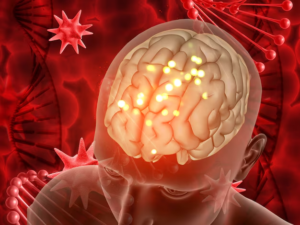
Before diving into Ayurvedic approaches, it’s essential to understand what dementia entails. Dementia is not a single disease but a general term that describes a range of symptoms associated with a decline in cognitive function. These symptoms can include memory loss, confusion, difficulty with communication, and changes in behavior. The progression and severity of these symptoms vary depending on the type of dementia and individual factors.
The primary causes of dementia involve damage to brain cells, which impairs their ability to communicate with each other. This disruption affects thinking, memory, and behavior. Although there is currently no cure for dementia, various treatments and interventions can help manage symptoms and improve quality of life.
Ayurveda: An Overview
Ayurveda is one of the world’s oldest holistic healing systems, originating in India over 5,000 years ago. The term “Ayurveda” comes from the Sanskrit words “Ayur,” meaning life, and “Veda,” meaning knowledge. Therefore, Ayurveda translates to “the knowledge of life.” This ancient system emphasizes balance in the body, mind, and spirit as the key to health and well-being.
Each individual has a unique dosha balance that determines their constitution and susceptibility to various conditions. Ayurveda seeks to restore balance through personalized treatments, including diet, herbal remedies, lifestyle changes, and therapies.
Ayurvedic Perspectives on Dementia
Ayurveda approaches dementia through the lens of imbalances and disturbances in the body’s doshas, primarily Vata and Pitta.
- Vata Imbalance: Vata dosha is associated with qualities such as dryness, coolness, and irregularity. When Vata becomes imbalanced, it can lead to symptoms such as anxiety, confusion, and memory loss.
- Pitta Imbalance: Pitta dosha is associated with qualities such as heat, sharpness, and intensity. An imbalance in Pitta can lead to irritability, anger, and difficulty concentrating. Excessive Pitta can also contribute to inflammation and oxidative stress, which may play a role in neurodegenerative conditions.
Ayurvedic Treatments for Dementia
Ayurvedic treatments for dementia focus on restoring balance to the doshas and supporting overall brain health. These treatments may include dietary recommendations, herbal remedies, lifestyle modifications, and specific therapies. Here’s a closer look at some of these approaches:
- Dietary Recommendations:
- Balancing Vata and Pitta: A diet that balances Vata and Pitta doshas is crucial for cognitive health. For Vata imbalances, it’s recommended to consume warm, moist, and nourishing foods, such as soups, stews, and cooked grains. For Pitta imbalances, cooling and soothing foods, such as cucumber, coconut, and leafy greens, can be beneficial.
- Antioxidant-Rich Foods: Incorporating foods high in antioxidants, such as berries, nuts, and seeds, can help combat oxidative stress, which is believed to contribute to neurodegenerative diseases.
- Healthy Fats: Including healthy fats like ghee (clarified butter), avocados, and nuts can support brain function and overall health.
- Herbal Remedies:
- Brahmi (Bacopa monnieri): Often referred to as the “herb of wisdom,” Brahmi is renowned for its cognitive-enhancing properties.
- Ashwagandha (Withania somnifera): This adaptogenic herb is known for its stress-reducing and rejuvenating properties. It can help balance Vata and Pitta doshas and support overall brain health.
- Turmeric (Curcuma longa): Turmeric contains curcumin, a compound with anti-inflammatory and antioxidant properties. It may help reduce inflammation and oxidative stress in the brain.
- Lifestyle Modifications:
- Routine and Structure: Establishing a consistent daily routine can help stabilize Vata dosha and provide mental clarity. This includes regular sleep patterns, meal times, and physical activity.
- Mental Exercises: Engaging in mental stimulation through activities such as puzzles, reading, and learning new skills can help keep the mind active and improve cognitive function.
- Stress Management: Practices such as meditation, yoga, and deep breathing exercises can help manage stress and maintain mental balance.
- Ayurvedic Therapies:
- Abhyanga (Oil Massage): Regular oil massage with warm, herbal oils can help calm Vata dosha and improve circulation. This therapy also promotes relaxation and mental well-being.
- Shirodhara: This therapeutic treatment involves the gentle pouring of warm oil or herbal decoctions on the forehead.
- Panchakarma: A series of detoxification therapies designed to cleanse the body of accumulated toxins and restore balance. Panchakarma may include procedures such as oil massages, steam therapy, and internal cleansing.
Integrating Ayurveda with Conventional Medicine
While Ayurvedic treatments offer valuable insights and support for managing dementia, it’s important to integrate these approaches with conventional medical care. Conventional treatments, including medications and cognitive therapies, play a crucial role in managing symptoms and improving quality of life.
Before starting any Ayurvedic treatments, it’s essential to consult with healthcare professionals to ensure that the chosen therapies complement existing treatments and do not interfere with any prescribed medications. Collaboration between Ayurvedic practitioners and conventional medical professionals can provide a more comprehensive and holistic approach to managing dementia.
Conclusion
Dementia is a multifaceted condition that requires a multifaceted approach to treatment and management. Ayurveda offers a unique perspective by focusing on restoring balance to the body’s doshas and supporting overall brain health. Through dietary recommendations, herbal remedies, lifestyle modifications, and specific therapies, Ayurveda provides valuable tools for enhancing cognitive function and well-being.
However, it’s crucial to remember that Ayurveda is not a substitute for conventional medical treatments. By integrating Ayurvedic principles with conventional medicine, individuals affected by dementia can benefit from a more holistic and personalized approach to their care.
As research continues to explore the potential benefits of Ayurvedic treatments for dementia, it is essential for individuals and caregivers to stay informed and make decisions based on the latest evidence and expert guidance. With a balanced and comprehensive approach, it is possible to improve quality of life and support cognitive health in the face of this challenging condition.


About author




Leave a reply