
Understanding Vitamin D Deficiency Through Ayurveda: A Comprehensive Guide
Understanding Vitamin D Deficiency Through Ayurveda: A Comprehensive Guide, the deficiency of Vitamin D has become a prevalent issue impacting millions of people globally. This essential nutrient plays a crucial role in maintaining bone health, supporting immune function, and regulating mood. Despite its significance, many people are not aware of how to address Vitamin D deficiency effectively. While conventional medicine often recommends supplements and dietary changes, Ayurveda offers a holistic perspective on managing this deficiency. In this blog, we will explore Vitamin D deficiency through the lens of Ayurveda, understanding its causes, symptoms, and Ayurvedic remedies to restore balance.
The Importance of Vitamin D
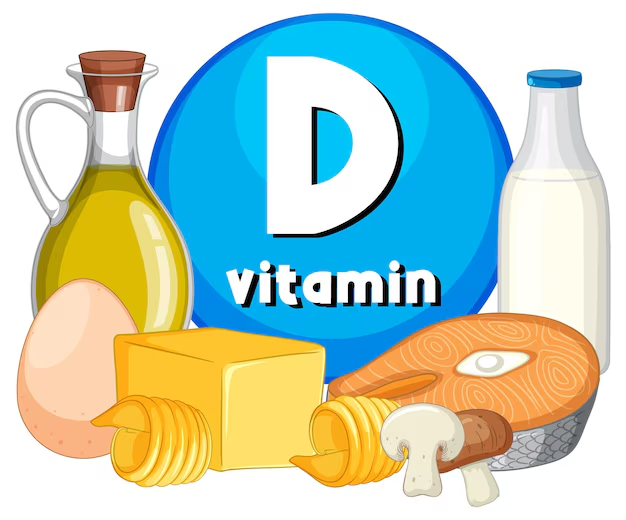
Vitamin D, often referred to as the “sunshine vitamin,” is vital for various bodily functions. It helps in the absorption of calcium and phosphorus, promoting bone health and preventing diseases such as osteoporosis and rickets. Beyond bone health, Vitamin D supports the immune system, regulates insulin levels, and influences mood and mental health. Given its widespread effects, maintaining optimal Vitamin D levels is crucial for overall well-being.
Understanding Vitamin D Deficiency
Vitamin D deficiency occurs when the body does not get enough of this vital nutrient. This deficiency can arise due to several factors:
- Limited Sun Exposure: Vitamin D is synthesized in the skin upon exposure to sunlight. Insufficient sun exposure, especially in regions with long winters or high latitudes, can lead to deficiency.
- Dietary Deficiencies: A diet lacking in Vitamin D-rich foods can contribute to low levels of this nutrient.
- Digestive Disorders: Conditions that affect nutrient absorption, such as Crohn’s disease or celiac disease, can impair Vitamin D uptake.
- Skin Pigmentation: Darker skin tones have higher melanin, which can reduce the skin’s ability to produce Vitamin D from sunlight.
- Age: As people age, the skin’s ability to synthesize Vitamin D decreases, and the kidneys become less efficient in converting it to its active form.
Symptoms of Vitamin D Deficiency
Vitamin D deficiency can manifest through various symptoms, including:
- Fatigue and weakness
- Bone pain and muscle weakness
- Increased risk of fractures
- Depression and mood swings
- Impaired wound healing
- Frequent infections
Recognizing these symptoms early and addressing them is crucial for maintaining health and well-being.
Ayurveda: A Holistic Approach
Ayurveda, the ancient system of medicine from India, emphasizes balance in all aspects of life. It views health as a harmonious state of the body, mind, and spirit, and believes that deficiencies arise from imbalances in these areas. In Ayurveda, Vitamin D deficiency can be understood through the concepts of doshas (biological energies), dhatus (tissues), and srotas (channels).
1. Doshas and Vitamin D Deficiency:
Ayurveda categorizes individuals into three doshas: Vata, Pitta, and Kapha. Each dosha governs various physiological and psychological functions. Imbalances in these doshas can affect overall health and potentially lead to deficiencies.
- Vata Dosha Imbalance: Vata imbalances can lead to dryness and a lack of stability, affecting the body’s ability to absorb and retain nutrients like Vitamin D.
- Pitta Dosha Imbalance: Excessive Pitta can lead to inflammation and digestive issues, impairing the absorption of Vitamin D.
- Kapha Dosha Imbalance: Kapha imbalances can result in sluggish digestion and absorption, contributing to deficiencies.
2. Dhatus and Vitamin D Deficiency:
Ayurveda identifies seven dhatus (tissues) in the body, and the health of each is interdependent. Vitamin D deficiency can disrupt the balance of dhatus, particularly Asthi (bone tissue), which can lead to issues like osteoporosis.
3. Srotas and Vitamin D Deficiency:
Srotas are channels in the body that transport nutrients and wastes. Blockages or imbalances in these channels can affect nutrient absorption and distribution, contributing to deficiencies.
Ayurvedic Remedies for Vitamin D Deficiency
Ayurveda offers several remedies to address Vitamin D deficiency and restore balance. These remedies include dietary adjustments, herbal supplements, and lifestyle changes.
1. Dietary Recommendations:
- Sun Exposure: Ayurveda emphasizes the importance of moderate sun exposure to stimulate the body’s natural production of Vitamin D. Early morning sunlight is considered particularly beneficial.
- Vitamin D-Rich Foods: Incorporate foods that are naturally rich in Vitamin D into your diet. Ayurveda suggests including foods like ghee (clarified butter), fish, and fortified dairy products. Though Ayurveda does not specifically list Vitamin D, these foods are considered beneficial for overall health and vitality.
- Bone-Strengthening Foods: Include foods that support bone health and aid in nutrient absorption, such as leafy greens, nuts, seeds, and whole grains.
2. Herbal Supplements:
Ayurvedic herbs can support overall health and aid in the management of deficiencies. Some beneficial herbs include:
- Ashwagandha (Withania somnifera): Known for its adaptogenic properties, Ashwagandha can help balance Vata dosha and support overall vitality.
- Shatavari (Asparagus racemosus): Often used to support general health and well-being, Shatavari can help nourish and strengthen the body.
- Triphala: A traditional Ayurvedic formula that supports digestive health and enhances nutrient absorption.
3. Lifestyle Modifications:
- Daily Routine: Adopting a balanced daily routine (Dinacharya) that includes regular sleep, moderate exercise, and stress management can help maintain overall health and balance doshas.
- Yoga and Pranayama: Engaging in yoga and breathing exercises (pranayama) can support overall well-being, enhance circulation, and improve nutrient absorption.
4. Ayurvedic Treatments:
- Abhyanga (Oil Massage): Regular oil massages can help improve circulation, support detoxification, and enhance overall health.
- Panchakarma: A set of cleansing therapies that can help remove toxins from the body and restore balance.
Integrating Ayurveda with Conventional Approaches
While Ayurveda offers valuable insights and remedies for managing Vitamin D deficiency, integrating these approaches with conventional medicine can provide a more comprehensive solution. It is essential to consult with healthcare professionals to assess Vitamin D levels and consider appropriate supplements if necessary. Combining Ayurvedic practices with conventional treatments can help address deficiencies more effectively and promote overall well-being.
Conclusion
Vitamin D deficiency is a significant health concern that can impact various aspects of well-being. Ayurveda provides a holistic approach to understanding and managing this deficiency, focusing on balance and harmony within the body. By integrating Ayurvedic principles with modern medical practices, individuals can effectively address Vitamin D deficiency and achieve optimal health. Embracing a balanced diet, incorporating beneficial herbs, and adopting a healthy lifestyle can contribute to restoring and maintaining Vitamin D levels, promoting overall vitality and well-being.
Incorporating Ayurvedic wisdom into your approach to health can offer a deeper understanding of the body’s needs and help in addressing deficiencies with a more holistic perspective. Remember, maintaining balance and harmony is key to achieving and sustaining good health.

About author


Leave a reply