
Understanding Epstein-Barr Virus and Ayurveda: A Holistic Approach to Healing
Understanding Epstein-Barr Virus and Ayurveda: A Holistic Approach to Healing is a common virus that is part of the herpesvirus family, and it is best known for causing mononucleosis, or “mono,” often characterized by symptoms such as fever, sore throat, swollen lymph nodes, and fatigue. While conventional medicine focuses on managing symptoms and complications, Ayurveda, the traditional system of medicine from India, offers a unique perspective on managing and healing from EBV infections. This blog explores the intersection of EBV and Ayurveda, providing insights into how Ayurvedic principles and treatments can complement conventional approaches for those struggling with this virus.
Understanding Epstein-Barr Virus
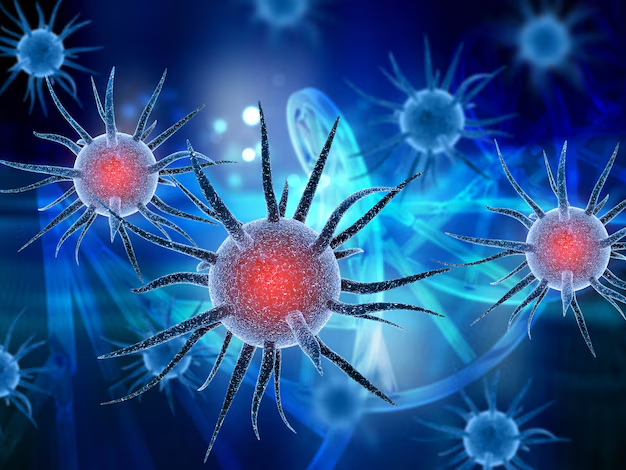
EBV is one of the most prevalent human viruses, with over 90% of people worldwide being infected by adulthood. It is transmitted through bodily fluids, primarily saliva, which is why it is sometimes referred to as the “kissing disease.” In many cases, the infection is asymptomatic or presents with mild symptoms that resolve on their own. However, for some individuals, EBV can cause prolonged symptoms and contribute to various health issues, such as chronic fatigue syndrome, autoimmune disorders, and certain cancers.
Ayurveda: An Overview
Ayurveda, which translates to “the science of life,” is a holistic medical system that originated in India over 5,000 years ago. It focuses on balancing the body’s energies, or doshas (Vata, Pitta, and Kapha), to maintain health and treat illness. Ayurveda emphasizes the importance of diet, lifestyle, herbal remedies, and mental well-being in achieving balance and promoting healing.
Ayurvedic Perspective on EBV
In Ayurveda, diseases are understood in terms of imbalances within the body’s doshas and the disruption of the body’s natural rhythms. When considering EBV, Ayurveda would assess the individual’s overall constitution, current imbalances, and the impact of the virus on their body. The virus can be viewed as a source of “Ama” (toxic metabolic waste) that disrupts the body’s natural balance. Here’s how Ayurveda approaches the management and treatment of EBV:
1. Understanding Dosha Imbalance
Each person has a unique dosha balance, and an EBV infection might exacerbate imbalances. For example:
- Vata Imbalance: Symptoms like dry throat, joint pain, and fatigue could indicate a Vata imbalance. Vata is associated with movement and dryness, so an EBV infection affecting the throat and causing fatigue might be exacerbated by an existing Vata imbalance.
- Pitta Imbalance: If the infection leads to inflammation, fever, and irritability, this may point to a Pitta imbalance. Pitta governs heat and metabolism, and an overactive Pitta can worsen symptoms.
- Kapha Imbalance: Symptoms such as excessive mucus, lethargy, and congestion may be related to a Kapha imbalance. Kapha is associated with stability and lubrication, and an infection might disturb this balance, leading to congestion and sluggishness.
2. Diet and Nutrition
Diet plays a crucial role in Ayurveda. For EBV management, the following dietary recommendations can be beneficial:
- Anti-Inflammatory Foods: Incorporate foods that reduce inflammation, such as turmeric, ginger, garlic, and green leafy vegetables. These ingredients help manage symptoms and support the immune system.
- Balancing Doshas: Eat foods that balance your dosha. For example, if you have a Pitta imbalance, consume cooling and soothing foods like cucumber and coconut water. If Vata is imbalanced, favor warm, moist foods such as soups and stews.
- Avoiding Ama Formation: Avoid heavy, oily, and processed foods that can contribute to Ama formation. Opt for fresh, whole foods that are easy to digest.
3. Herbal Remedies
Ayurvedic herbs can play a supportive role in managing EBV symptoms:
- Ashwagandha (Withania somnifera): Known for its adaptogenic properties, Ashwagandha can help reduce stress and support the immune system.
- Turmeric (Curcuma longa): With its potent anti-inflammatory and antioxidant properties, turmeric can help manage inflammation and support overall health.
- Guduchi (Tinospora cordifolia): This herb is renowned for its immune-boosting and detoxifying effects. It helps strengthen the body’s defenses against infections.
- Tulsi (Ocimum sanctum): Tulsi, or holy basil, is a powerful adaptogen that supports the body’s stress response and enhances immune function.
4. Lifestyle Recommendations
Ayurveda emphasizes a balanced lifestyle to promote healing:
- Adequate Rest: Ensure you get sufficient rest and sleep to allow your body to recover and heal. Chronic fatigue is a common symptom of EBV, and rest is essential for recovery.
- Stress Management: Engage in stress-reducing activities such as yoga, meditation, and deep breathing exercises. Stress can weaken the immune system and exacerbate symptoms.
- Regular Exercise: Moderate exercise can boost the immune system and improve overall well-being. However, avoid overexertion, especially if you are feeling fatigued.
- Daily Routines: Follow a consistent daily routine, including waking up and going to bed at the same time each day. This helps regulate your body’s rhythms and supports overall health.
Integrating Ayurveda with Conventional Medicine
While Ayurveda offers valuable insights and complementary treatments, it’s essential to integrate these with conventional medical care for EBV. Conventional medicine focuses on diagnosing and managing the virus, including antiviral medications and supportive care. Combining Ayurvedic practices with conventional treatments can enhance overall well-being and support recovery.
1. Consultation with Healthcare Providers
Always consult with your healthcare provider before starting any new treatments, including Ayurvedic remedies. They can provide guidance on integrating Ayurvedic practices with your existing treatment plan.
2. Personalized Approach
Ayurvedic treatments are highly individualized. Working with a qualified Ayurvedic practitioner can help tailor treatments to your specific dosha imbalances and health needs.
3. Monitoring and Adjustments
Regular monitoring of your health status and adjusting treatments as necessary is crucial. Both conventional and Ayurvedic approaches should be evaluated based on their effectiveness and any potential side effects.
Conclusion
Understanding Epstein-Barr Virus and Ayurveda: A Holistic Approach to Healing can significantly impact one’s health and quality of life. While conventional medicine provides essential tools for managing the virus, Ayurveda offers a holistic approach that can complement these treatments. By focusing on balancing doshas, adopting a supportive diet, using beneficial herbs, and maintaining a balanced lifestyle, Ayurveda provides a comprehensive framework for managing EBV symptoms and promoting overall well-being.
Integrating Ayurveda with conventional medical care can enhance your ability to manage EBV effectively, helping you achieve better health outcomes and a greater sense of balance and vitality. Always remember to work closely with your healthcare providers to ensure a well-rounded approach to your health and healing journey.


About author


Leave a reply