
Understanding Benign Prostatic Hyperplasia (BPH) and Its Ayurvedic Management
Understanding Benign Prostatic Hyperplasia (BPH) and Its Ayurvedic Management is a common condition affecting the prostate gland in men as they age. Characterized by an enlargement of the prostate, BPH can lead to various urinary symptoms that impact quality of life. Conventional treatments often involve medication or surgery, but many are turning to alternative medicine, such as Ayurveda, for a more holistic approach. This blog will explore the nature of BPH, its Ayurvedic perspective, and natural treatments that may offer relief.
What is Benign Prostatic Hyperplasia (BPH)?
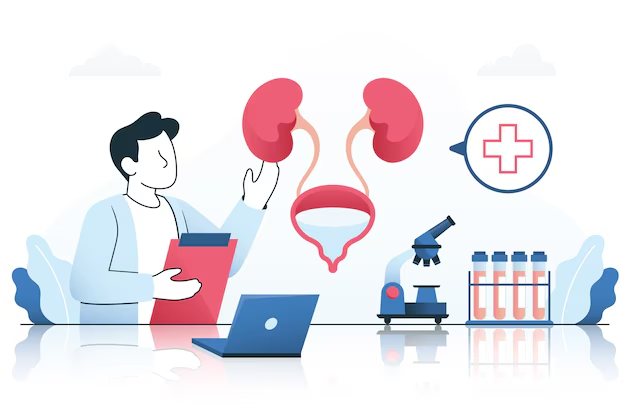
Benign Prostatic Hyperplasia is a non-cancerous enlargement of the prostate gland. The prostate, located below the bladder and surrounding the urethra, grows larger and may press against the urethra, leading to urinary difficulties. Common symptoms include:
- Frequent urination, especially at night
- Difficulty starting or stopping urination
- Weak urine stream
- Feeling of incomplete bladder emptying
- Urgent need to urinate
While BPH is a common part of aging, the severity of symptoms and the impact on daily life can vary widely. It is crucial to consult a healthcare provider for a proper diagnosis and treatment plan.
Ayurvedic Perspective on BPH
Ayurveda, a traditional system of medicine originating from India, offers a unique perspective on health and disease. According to Ayurveda, BPH can be understood through the lens of imbalances in the body’s doshas—Vata, Pitta, and Kapha. Each dosha represents different bodily functions and qualities.
- Vata Dosha: Governs movement and is associated with qualities like dryness and irregularity.
- Pitta Dosha: Governs transformation and is characterized by heat and metabolism.
- Kapha Dosha: Governs structure and stability, with qualities of heaviness and moisture.
In Ayurveda, BPH is often linked to an imbalance in the Vata and Kapha doshas. Specifically, the accumulation of Kapha in the prostate gland can lead to obstruction and discomfort, while an imbalance in Vata can contribute to irregular and weakened functioning of the urinary system.
Ayurvedic Approach to Managing BPH
Ayurvedic treatment for BPH focuses on restoring balance to the doshas and promoting overall wellness. This holistic approach involves dietary recommendations, lifestyle changes, herbal remedies, and therapeutic practices. Here’s a detailed look at each aspect:
1. Dietary Recommendations
Diet plays a crucial role in managing BPH according to Ayurveda. A balanced diet can help reduce inflammation and support prostate health. Key dietary guidelines include:
- Incorporate Anti-Inflammatory Foods: Foods like turmeric, ginger, garlic, and green tea can help reduce inflammation and improve overall health.
- Increase Fiber Intake: Whole grains, fruits, and vegetables support digestive health and may help reduce symptoms.
- Limit Processed Foods and Red Meat: Processed foods and red meat can exacerbate inflammation and should be minimized.
- Stay Hydrated: Drinking plenty of water is essential, but avoid excessive fluid intake before bedtime to minimize nocturnal urination.
2. Lifestyle Modifications
Ayurveda emphasizes a balanced lifestyle to maintain health. For managing BPH, consider the following:
- Regular Exercise: Engage in activities like walking, yoga, or swimming to improve circulation and overall well-being.
- Stress Management: Practice stress-reducing techniques such as meditation, deep breathing, and mindfulness. Stress can exacerbate BPH symptoms by affecting overall body balance.
- Routine: Establish a regular routine for meals, exercise, and sleep to maintain harmony within the body.
3. Herbal Remedies
Ayurvedic herbs are often used to support prostate health and alleviate symptoms of BPH. Some commonly used herbs include:
- Saw Palmetto (Serenoa repens): This herb is known for its ability to support prostate health and reduce symptoms of BPH. It may help balance hormone levels and reduce inflammation.
- Ashwagandha (Withania somnifera): Often referred to as Indian ginseng, Ashwagandha can help reduce stress and support overall health, including prostate function.
- Gokshura (Tribulus terrestris): Gokshura is known for its diuretic properties and its ability to support urinary tract health.
- Punarvana (Boerhavia diffusa): This herb is valued for its ability to support kidney and bladder health, making it beneficial for managing urinary symptoms.
4. Therapeutic Practices
Ayurveda also recommends various therapeutic practices to support prostate health:
- Abhyanga (Oil Massage): Regular oil massage, especially with medicated oils, can help balance the doshas and improve circulation.
- Shirodhara: This therapy involves pouring warm oil on the forehead and is known for its calming effects on the nervous system, which can indirectly benefit prostate health.
- Panchakarma: A detoxification and rejuvenation therapy that includes treatments such as Vamana (emesis), Virechana (purgation), and Basti (enema). These therapies help cleanse the body and restore balance.
Integrating Ayurveda with Conventional Medicine
While Ayurveda offers a valuable approach to managing BPH, it is important to integrate it with conventional medical treatments. Combining both approaches can provide a more comprehensive treatment plan. Always consult with a healthcare provider before starting any new treatment or making significant lifestyle changes.
Conclusion
Understanding Benign Prostatic Hyperplasia (BPH) and Its Ayurvedic Management is a common condition affecting many men as they age, leading to various urinary symptoms. Ayurveda offers a holistic approach to managing BPH by focusing on balancing the doshas, making dietary and lifestyle changes, and using herbal remedies. By adopting Ayurvedic principles and integrating them with conventional treatments, individuals can potentially find relief and improve their quality of life.
Remember, managing BPH requires a personalized approach, and what works for one person may not work for another. Always consult with a healthcare provider to develop a treatment plan that is right for you. Through a combination of modern medicine and traditional wisdom, you can take proactive steps toward maintaining your prostate health and overall well-being.


About author



Leave a reply