
Understanding and Managing Kidney Stones Through Ayurveda: A Comprehensive Guide
Understanding and Managing Kidney Stones Through Ayurveda: A Comprehensive Guide a prevalent and painful condition, are the result of mineral and salt deposits forming in the kidneys. Conventional treatments often include medications and, in some cases, surgery. However, Ayurveda, the ancient Indian system of medicine, offers a holistic approach to prevent, manage, and treat kidney stones. This blog delves into the Ayurvedic perspective on kidney stones, exploring causes, symptoms, and the therapeutic strategies that Ayurveda provides.
Understanding Kidney Stones: The Ayurvedic Perspective
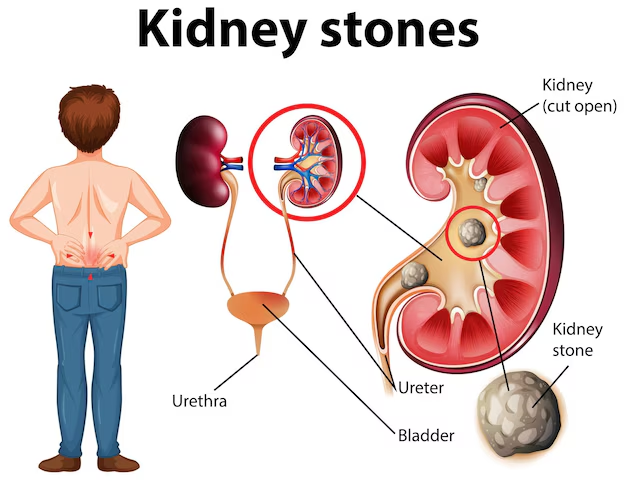
In Ayurveda, kidney stones are referred to as “Ashmari,” which is derived from the Sanskrit word for stone, “Ashma.” The formation of kidney stones is seen as an imbalance in the body’s doshas (energies), primarily involving Vata (air and ether), Pitta (fire and water), and Kapha (earth and water). According to Ayurvedic principles, the imbalance leads to the accumulation of toxins (Ama) that eventually crystallize into stones.
Causes of Kidney Stones in Ayurveda
- Dietary Imbalances: Excessive consumption of foods that are excessively hot, spicy, salty, or sour can aggravate Pitta dosha, contributing to the formation of stones.
- Dehydration: Insufficient fluid intake can lead to concentrated urine, increasing the risk of stone formation.
- Digestive Imbalances: Poor digestion (Agni) and absorption issues can lead to the accumulation of Ama.
- Lifestyle Factors: Sedentary lifestyle and irregular eating habits can disrupt dosha balance and promote kidney stone formation.
Symptoms of Kidney Stones
Common symptoms of kidney stones include:
- Severe Pain: Pain in the lower back, side, or abdomen, often radiating to the groin.
- Hematuria: Blood in the urine, which may appear pink or red.
- Frequent Urination: The urge to urinate more often than usual.
- Nausea and Vomiting: Due to the pain and irritation caused by the stones.
- Cloudy or Foul-Smelling Urine: Indicative of infection or high mineral content.
Ayurvedic Diagnosis and Assessment
In Ayurveda, diagnosis is based on a detailed assessment of symptoms, lifestyle, and dosha imbalances. Practitioners use a combination of pulse diagnosis (Nadi Pariksha), observation of physical symptoms, and understanding of the patient’s diet and lifestyle to determine the dosha involved and the type of kidney stones present.
Ayurvedic Treatments for Kidney Stones
Ayurvedic treatment for kidney stones is multifaceted, focusing on restoring dosha balance, promoting detoxification, and preventing recurrence. The treatment plan typically includes:
1. Dietary Modifications
- Increase Fluid Intake: Drinking ample amounts of water and herbal teas can help dilute urine and prevent stone formation. Ayurveda recommends warm water and herbal infusions like coriander and fennel tea.
- Avoid Certain Foods: Reduce the intake of foods that aggravate Pitta, such as spicy, acidic, and salty foods. Minimize consumption of foods high in oxalates, such as spinach, beets, and nuts.
- Include Beneficial Foods: Incorporate cooling and hydrating foods such as cucumbers, melons, and leafy greens. Foods that support kidney function like apples, pears, and pomegranates are also beneficial.
2. Herbal Remedies
Ayurveda offers a range of herbs that are believed to support kidney health and aid in the dissolution and expulsion of stones. Some commonly used herbs include:
- Varuna (Crataeva nurvala): Known for its diuretic properties, Varuna helps in breaking down and eliminating kidney stones.
- Punarnava (Boerhavia diffusa): Acts as a diuretic and anti-inflammatory, supporting kidney function and reducing swelling.
- Gokshura (Tribulus terrestris): Helps in detoxifying the urinary tract and promoting the elimination of stones.
- Shilajit (Asphaltum): A mineral-rich substance that supports overall kidney health and helps in stone dissolution.
3. Panchakarma Therapy
Panchakarma is a set of detoxification and rejuvenation therapies used in Ayurveda. For kidney stones, specific Panchakarma treatments may include:
- Virechana (Purgation): Helps in clearing Ama and toxins from the body.
- Basti (Enema Therapy): Herbal enemas can support detoxification and balance Vata dosha, which is often implicated in kidney stones.
- Swedana (Sweat Therapy): Involves inducing sweat through herbal steam baths, which can help in detoxifying the body and easing pain.
4. Lifestyle Changes
- Regular Exercise: Engaging in physical activity helps in maintaining overall health and preventing the recurrence of kidney stones.
- Stress Management: Practices such as yoga and meditation can help in balancing doshas and reducing stress, which may contribute to kidney stone formation.
Preventing Kidney Stones: Ayurvedic Insights
Preventing kidney stones involves maintaining a balanced lifestyle and diet that supports the natural functioning of the kidneys. Ayurvedic preventive measures include:
- Hydration: Ensuring adequate water intake to keep urine diluted and reduce the risk of stone formation.
- Dietary Balance: Consuming a balanced diet that aligns with one’s dosha and avoids excesses in Pitta-aggravating foods.
- Routine Check-Ups: Regular health check-ups and consultations with an Ayurvedic practitioner to monitor kidney health and dosha balance.
Conclusion
Ayurveda offers a holistic and natural approach to managing and preventing kidney stones. By addressing the root causes of the condition through dietary changes, herbal remedies, detoxification therapies, and lifestyle adjustments, Ayurveda aims to restore balance and promote overall kidney health. If you are considering Ayurvedic treatments, it is essential to consult with a qualified Ayurvedic practitioner to receive a personalized plan tailored to your specific needs and health condition.
Integrating Ayurvedic principles into your lifestyle can provide effective relief and long-term prevention of kidney stones, promoting a healthier and more balanced life.


About author



Leave a reply