
Understanding Huntington’s Disease and Ayurveda: A Comprehensive Overview
Introduction
Understanding Huntington’s Disease and Ayurveda: A Comprehensive Overview is a progressive neurodegenerative disorder that manifests with motor dysfunction, cognitive decline, and psychiatric symptoms. It is caused by a genetic mutation in the HTT gene, leading to an abnormal expansion of CAG repeats in the DNA. As the disease progresses, it severely impacts a person’s quality of life, presenting a significant challenge for both patients and healthcare providers. While conventional medicine primarily focuses on symptomatic treatment and supportive care, many people turn to alternative therapies such as Ayurveda to explore additional management options. This blog delves into Huntington’s Disease and how Ayurvedic medicine might offer supportive care to those affected.
Understanding Huntington’s Disease
Symptoms and Progression
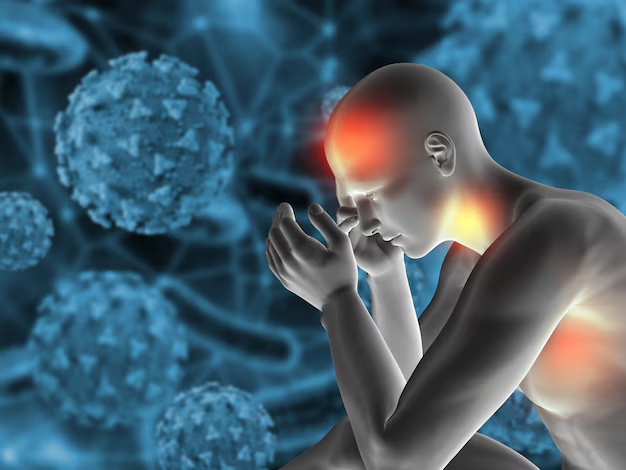
Huntington’s Disease typically manifests in adulthood, usually between the ages of 30 and 50, though it can appear earlier or later. The symptoms include:
- Motor Symptoms: These include chorea (involuntary, erratic movements), dystonia (muscle contractions), and impaired coordination.
- Cognitive Decline: Patients often experience memory problems, difficulties with planning and organization, and impaired judgment.
- Psychiatric Symptoms: Depression, anxiety, irritability, and mood swings are common.
The disease progresses gradually, leading to severe disability and requiring comprehensive care and support.
Conventional Treatments
Currently, there is no cure for Huntington’s Disease. Conventional treatments focus on managing symptoms and improving quality of life. These may include:
- Medications: To control motor symptoms, mood disorders, and psychiatric symptoms.
- Physical Therapy: To help maintain mobility and prevent complications.
- Speech and Occupational Therapy: To assist with communication and daily living activities.
- Supportive Care: Including counseling, support groups, and palliative care.
Ayurveda: An Overview
Ayurveda is an ancient system of medicine originating from India, based on the principles of balance and holistic health. It emphasizes the integration of body, mind, and spirit to achieve well-being. The foundational concepts of Ayurveda include:
- Doshas: These are the three fundamental energies (Vata, Pitta, and Kapha) that govern physiological and psychological processes in the body.
- Dhatus: The seven tissues (Rasa, Rakta, Mamsa, Meda, Asthi, Majja, and Shukra) that are vital for sustaining bodily functions.
- Malas: The waste products of bodily processes (e.g., urine, feces, and sweat).
- Agni: The digestive fire, which is crucial for maintaining metabolic balance and overall health.
Ayurvedic treatment involves balancing the doshas, strengthening the dhatus, and maintaining optimal agni to support health and well-being.
Ayurveda and Neurodegenerative Diseases
In Ayurveda, neurodegenerative diseases are often viewed as imbalances in Vata dosha, which governs movement and neurological functions. The progressive nature of Huntington’s Disease aligns with Ayurvedic principles of Vata imbalance, which can lead to deterioration in bodily functions.
Ayurvedic Perspective on Huntington’s Disease
From an Ayurvedic standpoint, Huntington’s Disease may be attributed to the disruption of Vata dosha, combined with an imbalance in the mind (Manas) and digestive system (Agni). Ayurveda aims to restore balance through a combination of dietary changes, herbal remedies, lifestyle modifications, and therapeutic treatments.
Ayurvedic Treatments for Huntington’s Disease
- Diet and Nutrition
- Balancing Vata: Foods that are nourishing, moist, and grounding help balance Vata dosha. This includes cooked grains, root vegetables, and healthy fats like ghee and olive oil.
- Digestive Health: Incorporating spices like ginger, turmeric, and cumin can enhance Agni and improve overall digestion.
- Avoiding Vata-Aggravating Foods: Cold, dry, and raw foods can aggravate Vata and should be minimized.
- Herbal Remedies
- Brahmi (Bacopa monnieri): Known for its neuroprotective and cognitive-enhancing properties, Brahmi is often used to support mental clarity and memory.
- Ashwagandha (Withania somnifera): This adaptogenic herb helps reduce stress and balance Vata, potentially aiding in motor and cognitive functions.
- Shankhapushpi (Convolvulus pluricaulis): Used to enhance mental function and support emotional stability.
- Lifestyle Modifications
- Routine: Establishing a consistent daily routine helps stabilize Vata and provides a sense of order.
- Stress Management: Techniques like meditation, yoga, and deep breathing exercises can help manage stress and support mental well-being.
- Sleep Hygiene: Adequate and restful sleep is crucial for overall health and can help mitigate some of the symptoms associated with Huntington’s Disease.
- Panchakarma Therapy
- Abhyanga (Oil Massage): Regular oil massages can help balance Vata dosha and promote relaxation.
- Shirodhara: A therapeutic treatment involving the continuous pouring of warm oil on the forehead, which can soothe the nervous system and support mental clarity.
Integrating Ayurveda with Conventional Care
While Ayurveda offers valuable complementary approaches, it is essential to integrate these with conventional treatments for Huntington’s Disease. Collaboration between Ayurvedic practitioners and medical professionals ensures a comprehensive approach to managing the disease.
Considerations for Integration
- Consultation with Healthcare Providers: Always consult with a healthcare provider before starting any new treatment regimen, including Ayurvedic therapies.
- Monitoring and Adjustment: Regular monitoring of symptoms and treatment effects is crucial for making necessary adjustments.
- Patient-Centric Approach: Treatments should be tailored to individual needs, considering the specific stage and symptoms of Huntington’s Disease.
Conclusion
Huntington’s Disease presents significant challenges, and while conventional medicine plays a critical role in managing symptoms, exploring complementary approaches like Ayurveda can offer additional support. Ayurveda’s holistic principles provide a framework for balancing bodily functions, supporting mental health, and enhancing overall well-being.
By integrating Ayurvedic practices with conventional treatments, patients can benefit from a more comprehensive approach to managing Huntington’s Disease. As always, it is crucial to work with healthcare professionals to ensure that all treatments are safe and effective, providing a balanced approach to managing this complex condition.
References
- “Huntington’s Disease: Symptoms, Diagnosis, and Treatment.” National Institute of Neurological Disorders and Stroke (NINDS).
- “Ayurvedic Treatment and Management.” The National Center for Complementary and Integrative Health (NCCIH).
- “Brahmi (Bacopa monnieri): Benefits and Uses.” Herbal Medicine Journal.
- “Ashwagandha: Health Benefits and Uses.” Journal of Ayurveda and Integrative Medicine (JAIM).


About author




Leave a reply