
Understanding Hepatitis B and Ayurveda: A Comprehensive Guide
Understanding Hepatitis B and Ayurveda: A Comprehensive Guide is a viral infection that affects the liver and can lead to serious health issues if left untreated. It is caused by the Hepatitis B virus (HBV) and can range from a mild illness lasting a few weeks to a serious, lifelong condition. Conventional medicine primarily relies on antiviral medications and monitoring to manage Hepatitis B. However, many people are also exploring complementary approaches, including Ayurveda, a traditional system of medicine from India, to support liver health and overall well-being.
In this blog, we’ll delve into the nature of Hepatitis B, how Ayurveda views liver health, and the potential benefits of Ayurvedic treatments. Please note that Ayurvedic remedies should be considered as complementary to, and not a replacement for, conventional medical treatments. Always consult with a healthcare provider before starting any new treatment regimen.
Understanding Hepatitis B
What is Hepatitis B?
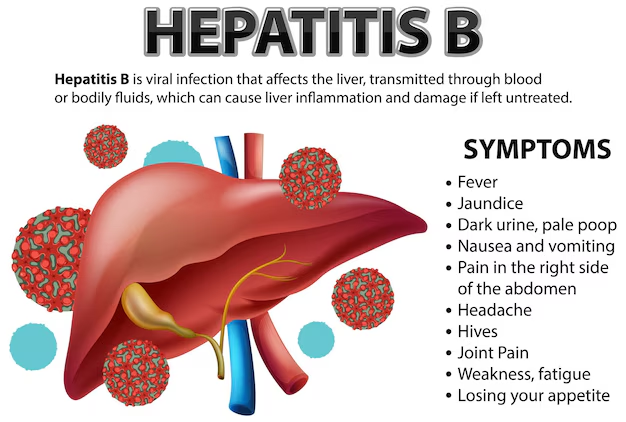
Hepatitis B is an infectious disease caused by the Hepatitis B virus, which attacks the liver. The infection can be acute or chronic:
- Acute Hepatitis B: This is a short-term illness that occurs within the first six months after exposure to the virus. Most people recover from acute Hepatitis B with appropriate medical treatment.
- Chronic Hepatitis B: If the infection persists for more than six months, it becomes chronic. Chronic Hepatitis B can lead to severe complications like cirrhosis (liver scarring), liver failure, and liver cancer.
Transmission and Symptoms
Hepatitis B is transmitted through contact with infectious body fluids, such as blood, semen, and vaginal fluids. It can be spread through:
- Unprotected sexual contact
- Sharing needles or syringes
- From mother to baby during childbirth
- Through exposure to infected blood, such as through needle-stick injuries
Symptoms of Hepatitis B can vary and may include:
- Fatigue
- Jaundice (yellowing of the skin and eyes)
- Abdominal pain
- Dark urine
- Nausea and vomiting
- Loss of appetite
Ayurveda and Liver Health
The Ayurvedic Perspective on Liver Function
Ayurveda, the traditional system of medicine originating from India, views health as a balance of the body’s three doshas: Vata, Pitta, and Kapha. These doshas represent different physiological functions and qualities within the body.
The liver plays a crucial role in processing toxins, digesting food, and regulating various metabolic processes. An imbalance in the Pitta dosha can lead to liver issues, including inflammation, toxicity, and digestive disturbances. Therefore, Ayurvedic treatments focus on restoring balance to the Pitta dosha and supporting liver function.
Ayurvedic Principles for Liver Health
- Diet: Ayurveda emphasizes a balanced diet to support liver health. Foods that are light, cooling, and non-spicy are recommended to balance Pitta. Fresh fruits, vegetables, and whole grains are considered beneficial.
- Herbs: Ayurveda uses various herbs known for their hepatoprotective (liver-protecting) properties. Some well-known herbs include:
- Turmeric (Curcuma longa): Contains curcumin, which has anti-inflammatory and antioxidant properties.
- Bharangi (Clerodendrum serratum): Known for its liver-cleansing effects.
- Guduchi (Tinospora cordifolia): Enhances liver function and boosts immunity.
- Kutki (Picrorhiza kurroa): Supports liver detoxification and aids in digestion.
- Lifestyle: Ayurveda suggests incorporating lifestyle practices that promote overall well-being and liver health. These include regular exercise, adequate sleep, stress management, and avoiding substances that can harm the liver, such as excessive alcohol.
- Detoxification: Ayurvedic detox programs, known as Panchakarma, are designed to remove toxins from the body and restore balance. These therapies may include massages, herbal steam treatments, and internal cleansing with herbal formulas.
Integrating Ayurveda with Conventional Hepatitis B Treatment
Complementary Role of Ayurveda
While Ayurvedic treatments can support liver health and overall well-being, they should be viewed as complementary to conventional medical treatments for Hepatitis B. Conventional treatments, including antiviral medications, are crucial for managing the viral infection and preventing complications.
Ayurveda can play a supportive role by:
- Enhancing Liver Function: Ayurvedic herbs and dietary practices may help improve liver function and reduce inflammation.
- Supporting Detoxification: Ayurvedic detox methods may help in the elimination of toxins and improve overall health.
- Boosting Immunity: Ayurvedic practices can help strengthen the immune system, which is beneficial for individuals with chronic Hepatitis B.
Cautions and Considerations
It is essential to approach Ayurvedic treatments with caution and under the guidance of a qualified healthcare practitioner. Some Ayurvedic herbs and supplements can interact with conventional medications or have side effects. Always discuss any new treatments with your healthcare provider to ensure they are safe and appropriate for your specific condition.
Conclusion
Hepatitis B is a serious viral infection that requires careful management through conventional medicine. However, Ayurveda offers valuable insights and supportive measures that can complement standard treatments. By focusing on dietary adjustments, herbal remedies, lifestyle changes, and detoxification, Ayurveda aims to restore balance and support overall liver health.
If you or someone you know is living with Hepatitis B, integrating Ayurvedic principles can be a beneficial addition to conventional medical care. Always consult with healthcare professionals to create a comprehensive and personalized treatment plan that combines the best of both worlds.
Remember, while Ayurvedic treatments can offer support and relief, they are not a substitute for conventional medical care. Managing Hepatitis B effectively requires a holistic approach that combines medical expertise with supportive therapies to ensure the best possible outcomes.

About author



Leave a reply