
Exploring Ayurveda for Hepatitis C: An Integrative Approach
Exploring Ayurveda for Hepatitis C: An Integrative Approach is a viral infection that primarily affects the liver, causing inflammation and potentially leading to serious liver conditions such as cirrhosis or liver cancer. The standard treatment for Hepatitis C involves antiviral medications, but many people are also interested in exploring complementary and alternative approaches to support their health. Ayurveda, the ancient system of medicine from India, offers a holistic approach that could be beneficial when used alongside conventional treatments. In this blog, we’ll delve into how Ayurveda addresses Hepatitis C, its principles, and how it can potentially be integrated with modern medicine.
Understanding Hepatitis C

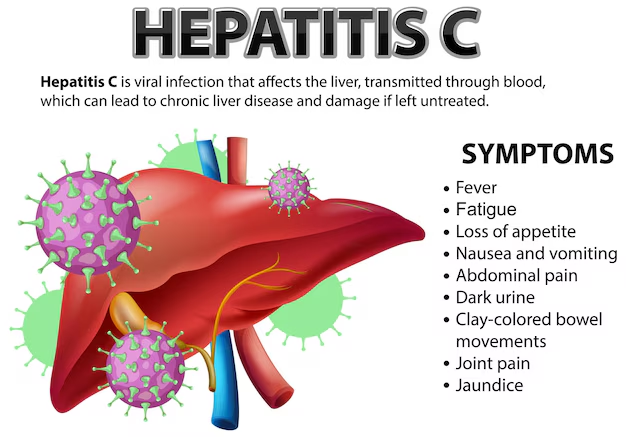
Before exploring Ayurvedic treatments, it’s essential to understand Hepatitis C. The virus is transmitted through blood-to-blood contact, and its symptoms can range from mild to severe. Chronic Hepatitis C can lead to significant liver damage over time. Standard treatments usually involve a combination of antiviral medications that aim to clear the virus from the body.
The Ayurvedic Perspective
Ayurveda, which translates to “the science of life,” is a holistic system of medicine that originated in ancient India. It focuses on balancing the body’s energies, or doshas—Vata, Pitta, and Kapha. According to Ayurveda, health is a state of balance among these doshas, and disease arises when this balance is disrupted.
In the context of Hepatitis C, Ayurveda views the liver as a crucial organ for digestion and metabolism. The liver is predominantly associated with the Pitta dosha, which governs metabolism and transformation in the body. Hepatitis C is seen as a Pitta disorder, as it leads to inflammation (heat) and disruption in the liver’s ability to process toxins and nutrients.
Ayurvedic Approach to Hepatitis C
1. Detoxification and Cleansing
One of the primary Ayurvedic approaches to managing liver disorders, including Hepatitis C, is detoxification or “Panchakarma.” This involves a series of treatments designed to cleanse the body of toxins and restore balance. The process typically includes:
- Virechana (Purgation Therapy): Helps eliminate toxins from the gastrointestinal tract.
- Vasti (Enema Therapy): Used to cleanse the colon and restore balance.
- Abhyanga (Oil Massage): Helps to improve circulation and support the liver’s detoxification process.
These treatments are usually administered under the guidance of a qualified Ayurvedic practitioner and tailored to individual needs.
2. Herbal Remedies
Ayurveda employs various herbs known for their hepatoprotective (liver-protecting) properties. Some key herbs used in managing Hepatitis C include:
- Milk Thistle (Silybum marianum): Known for its active compound, silymarin, which has been shown to support liver health and protect against liver damage.
- Turmeric (Curcuma longa): Contains curcumin, which has anti-inflammatory and antioxidant properties that can help reduce liver inflammation.
- Neem (Azadirachta indica): Known for its detoxifying and anti-inflammatory effects.
- Bhringraj (Eclipta alba): Often used in Ayurveda for its liver-supportive and rejuvenating properties.
These herbs can be used in various forms, such as teas, powders, or supplements. However, it is essential to consult with a healthcare provider before starting any herbal regimen, especially if you are undergoing conventional treatment.
3. Dietary Adjustments
In Ayurveda, diet plays a crucial role in maintaining health and managing diseases. For Hepatitis C, dietary recommendations focus on reducing Pitta (heat) and supporting liver function. Key dietary adjustments include:
- Incorporating cooling foods: Foods such as cucumbers, melons, and leafy greens help to cool the body and reduce inflammation.
- Avoiding spicy, acidic, and oily foods: These can aggravate the Pitta dosha and contribute to liver inflammation.
- Consuming liver-friendly foods: Include foods like beetroot, carrots, and garlic, which are known to support liver health.
A well-balanced diet that adheres to Ayurvedic principles can help in managing symptoms and supporting overall health.
4. Lifestyle Modifications
Ayurveda emphasizes the importance of a balanced lifestyle in maintaining health and preventing disease. For individuals with Hepatitis C, lifestyle modifications can include:
- Stress Management: Practices like meditation, yoga, and deep breathing exercises can help manage stress, which is important for overall well-being and liver health.
- Regular Exercise: Gentle exercises such as walking or yoga can improve circulation and support liver function.
- Adequate Rest: Ensuring sufficient rest and sleep is vital for healing and maintaining energy levels.
Integrating Ayurveda with Conventional Treatment
While Ayurveda offers valuable insights and treatments, it is crucial to integrate these approaches with conventional medical care, especially for serious conditions like Hepatitis C. Here’s how you can harmonize both approaches:
- Consult Healthcare Providers: Always consult with both Ayurvedic practitioners and your primary healthcare provider to ensure that any complementary therapies do not interfere with your conventional treatment.
- Monitor Progress: Regular monitoring of your liver function and overall health is essential to assess the effectiveness of any treatment approach.
- Informed Decision-Making: Stay informed about both conventional and Ayurvedic treatments, and make decisions based on evidence and professional guidance.
Potential Benefits and Risks
Integrating Ayurveda with conventional treatment for Hepatitis C can offer potential benefits, such as improved symptom management and enhanced overall well-being. Ayurvedic practices may help reduce side effects of conventional medications, support liver health, and promote a balanced lifestyle.
However, there are also risks to consider. Some herbal remedies might interact with conventional medications or have side effects of their own. Therefore, it is crucial to approach Ayurvedic treatments with caution and under professional supervision.
Conclusion
Ayurveda provides a holistic approach to managing Hepatitis C, focusing on detoxification, herbal remedies, dietary adjustments, and lifestyle modifications. While Ayurveda can complement conventional treatments and support overall health, it is essential to work closely with healthcare professionals to ensure a safe and effective treatment plan. By combining the strengths of both Ayurvedic and modern medicine, individuals with Hepatitis C can potentially enhance their quality of life and better manage their condition.
Always remember that each person’s experience with Hepatitis C is unique, and personalized treatment strategies are crucial. Exploring Ayurveda as part of a comprehensive treatment plan may offer additional support and promote overall well-being in the journey towards health.


About author






Leave a reply