
Managing Rheumatoid Arthritis with Ayurveda: A Comprehensive Guide
Managing Rheumatoid Arthritis with Ayurveda: A Comprehensive Guide is a chronic autoimmune disorder characterized by inflammation in the joints, leading to pain, swelling, and eventually joint damage. Traditional medicine often relies on pharmaceuticals and lifestyle changes to manage the symptoms, but an increasing number of people are turning to Ayurveda, an ancient system of medicine from India, for holistic relief. This blog will explore how Ayurveda approaches the management of RA, detailing dietary recommendations, herbal treatments, and lifestyle practices that may help alleviate symptoms.
Understanding Rheumatoid Arthritis
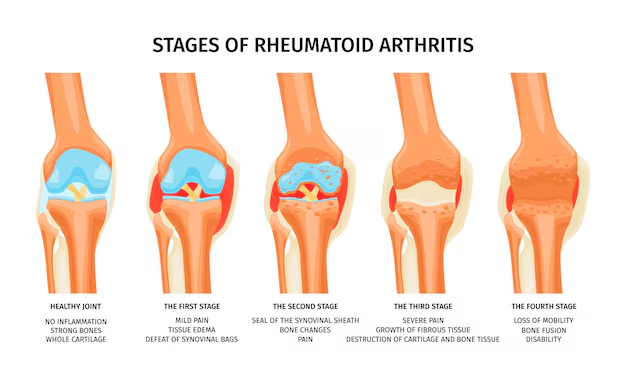
Rheumatoid Arthritis is an autoimmune condition where the body’s immune system mistakenly attacks the synovium, the lining of the joints. This leads to inflammation, causing pain and swelling in the affected joints. Over time, the inflammation can result in joint damage and deformities. The exact cause of RA is unknown, but genetic, environmental, and hormonal factors are believed to play a role.
Ayurveda: An Overview
Ayurveda, which translates to “the science of life,” is a traditional system of medicine originating in India over 5,000 years ago. It emphasizes balance among the body, mind, and spirit to maintain health and treat illness. Ayurvedic medicine is based on the concept of three doshas—Vata, Pitta, and Kapha—each representing different physiological and psychological functions.
In Ayurveda, diseases are seen as imbalances within these doshas. RA is considered an imbalance in the body’s “Vata” dosha, which governs movement and communication in the body. According to Ayurvedic principles, RA involves an aggravation of Vata and a disturbance in the body’s natural balance, leading to inflammation and pain.
Ayurvedic Approach to Managing Rheumatoid Arthritis
1. Dietary Recommendations
Ayurveda places great importance on diet for managing health conditions. For RA, the goal is to reduce inflammation and restore balance. Here are some dietary guidelines:
- Incorporate Anti-Inflammatory Foods: Foods such as turmeric, ginger, garlic, and cumin are known for their anti-inflammatory properties. Turmeric contains curcumin, a compound with potent anti-inflammatory effects. Adding these spices to your diet can help reduce inflammation.
- Favor Warm, Cooked Foods: Ayurveda recommends warm, cooked foods over raw foods, as they are easier to digest and less likely to aggravate Vata dosha. Soups, stews, and cooked vegetables are ideal.
- Avoid Cold and Heavy Foods: Cold and heavy foods can increase Vata aggravation. Limit intake of ice cream, cold beverages, and raw salads. Instead, opt for warm, light meals.
- Include Healthy Fats: Healthy fats like those found in ghee (clarified butter), olive oil, and avocados can help lubricate the joints and counteract dryness associated with Vata imbalances.
- Stay Hydrated: Adequate hydration is crucial for joint health. Drinking warm water and herbal teas can support digestion and help flush out toxins.
2. Herbal Remedies
Ayurvedic herbs can play a significant role in managing RA symptoms. Some commonly used herbs include:
- Ashwagandha (Withania somnifera): Known as a powerful adaptogen, ashwagandha helps the body adapt to stress and has anti-inflammatory properties.
- Boswellia (Boswellia serrata): Boswellia is renowned for its anti-inflammatory effects and is often used in the treatment of arthritis.
- Guggul (Commiphora wightii): This resin has been traditionally used to reduce inflammation and support joint health.
- Turmeric (Curcuma longa): The active compound, curcumin, has been extensively studied for its anti-inflammatory and antioxidant properties.
- Triphala: A blend of three fruits (Amalaki, Bibhitaki, and Haritaki), Triphala supports digestion and detoxification, which can be beneficial in managing RA.
Herbal remedies should be used under the guidance of a qualified Ayurvedic practitioner to ensure appropriate dosage and avoid potential interactions with other medications.
3. Lifestyle Practices
Ayurveda emphasizes the importance of a balanced lifestyle to support overall well-being and manage chronic conditions like RA. Key practices include:
- Regular Exercise: Gentle exercises like yoga and swimming can help maintain joint flexibility and reduce stiffness. Yoga, in particular, is beneficial for its stretching and relaxation benefits, which can help alleviate RA symptoms.
- Stress Management: Stress can exacerbate RA symptoms. Techniques such as meditation, deep breathing exercises, and mindfulness can help manage stress levels and promote emotional well-being.
- Adequate Rest: Ensuring proper rest and sleep is crucial for the body’s healing processes. Establish a regular sleep routine and create a comfortable sleep environment to support overall health.
- Daily Routine (Dinacharya): Following a consistent daily routine can help balance the doshas and support overall health. This includes regular meal times, sleep patterns, and self-care practices.
- Detoxification (Panchakarma): Panchakarma is a set of therapeutic procedures designed to detoxify the body and restore balance. This may include massages, herbal steam treatments, and other therapies that can support joint health and reduce inflammation.
Integrating Ayurveda with Conventional Treatment
While Ayurveda offers valuable insights and treatments for RA, it is essential to integrate these approaches with conventional medical treatments. RA is a serious condition that often requires medication to manage symptoms and prevent joint damage. Consult with both your rheumatologist and an Ayurvedic practitioner to create a comprehensive treatment plan tailored to your needs.
Conclusion
Rheumatoid Arthritis is a challenging condition that requires a multifaceted approach to management. Ayurveda provides a holistic perspective, emphasizing the balance of the body, mind, and spirit through diet, herbal remedies, and lifestyle practices. By incorporating Ayurvedic principles into your daily routine, you may find relief from RA symptoms and improve your overall quality of life. Remember, always consult with healthcare professionals before making any significant changes to your treatment plan.
Embracing Ayurveda alongside conventional treatments can offer a more comprehensive approach to managing Rheumatoid Arthritis, helping you achieve a better balance and improved well-being.


About author






Leave a reply