
Exploring Ayurveda as a Complementary Approach to HIV/AIDS Management
Exploring Ayurveda as a Complementary Approach to HIV/AIDS Management remains a global health challenge, with millions of people living with the virus. Traditional antiretroviral therapy (ART) has been a cornerstone in managing the disease, but there is growing interest in complementary and integrative approaches, including Ayurveda. Ayurveda, a traditional system of medicine with roots in ancient India, offers a holistic perspective on health that may be beneficial when used alongside conventional treatments.
Understanding Ayurveda
Ayurveda, which translates to “the science of life,” is an ancient system of medicine that emphasizes balance in the body’s energies, or doshas. These doshas—Vata, Pitta, and Kapha—represent different combinations of the five elements (earth, water, fire, air, and ether) and are believed to govern physical and mental processes. According to Ayurveda, health is achieved when these doshas are in balance, while disease results from their imbalance.
Ayurvedic treatment aims to restore this balance through a combination of diet, herbal remedies, lifestyle modifications, and mental well-being practices. This holistic approach can be particularly appealing for individuals seeking complementary therapies alongside conventional medical treatments.
The Role of Ayurveda in HIV/AIDS Management
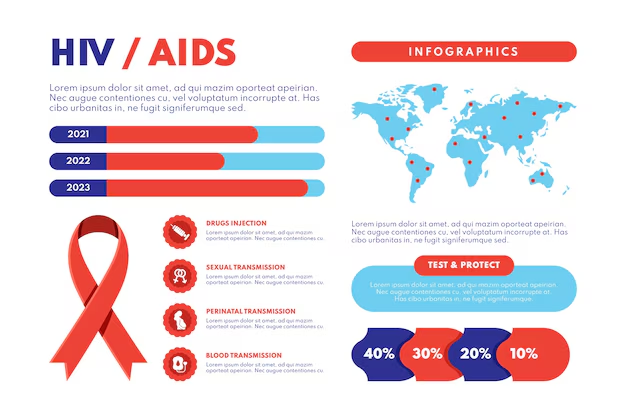
While Ayurveda is not a substitute for ART, it can potentially support overall well-being and quality of life for people living with HIV/AIDS. Here are several ways Ayurveda may contribute to managing the condition:
- Boosting Immunity: Ayurveda places significant emphasis on strengthening the immune system. Certain herbs and supplements, such as Ashwagandha, Tulsi (Holy Basil), and Amla (Indian Gooseberry), are believed to have immunomodulatory properties. These herbs might help enhance the body’s natural defense mechanisms, which is crucial for individuals with HIV/AIDS, whose immune systems are often compromised.
- Managing Side Effects: ART can have side effects ranging from digestive issues to fatigue. Ayurveda offers various remedies to alleviate these symptoms. For instance, Triphala, a traditional Ayurvedic formulation, is often used to support digestive health and alleviate constipation. Similarly, herbs like Guduchi (Tinospora cordifolia) are used to combat general fatigue and improve vitality.
- Stress Reduction and Mental Health: Chronic illness can lead to psychological stress, which can, in turn, impact physical health. Ayurveda incorporates practices such as meditation, yoga, and Pranayama (breath control) to help manage stress and improve mental clarity. These practices can be beneficial for individuals with HIV/AIDS, helping to enhance overall well-being and emotional resilience.
- Nutritional Support: Ayurveda emphasizes a balanced diet tailored to an individual’s dosha and health condition. For people with HIV/AIDS, a diet rich in nutrients and easy to digest can help maintain strength and health. Ayurvedic dietary recommendations might include fresh, wholesome foods, and specific herbs known to support digestive health and boost energy levels.
- Detoxification and Rejuvenation: Ayurveda includes detoxification processes known as Panchakarma, which aim to cleanse the body of accumulated toxins and rejuvenate tissues.
Integrating Ayurveda with Conventional Treatments
It’s important to approach Ayurveda as a complementary therapy rather than a replacement for conventional HIV/AIDS treatment. Here are some key considerations for integrating Ayurveda with standard medical care:
- Consultation with Healthcare Providers: Before starting any Ayurvedic treatment, individuals should consult with their primary healthcare providers. This ensures that any complementary therapies do not interfere with ART or other medical treatments.
- Qualified Practitioners: Seek guidance from qualified Ayurvedic practitioners who are experienced in working with chronic illnesses and can tailor treatments to individual needs. Practitioners should be informed about the patient’s HIV status and current medical treatments.
- Evidence-Based Approach: While Ayurveda has a long history and many traditional practices, not all treatments have been rigorously tested in clinical trials. It is essential to look for evidence-based Ayurvedic practices and combine them with scientifically validated treatments.
- Monitoring and Adjustment: Continuous monitoring of health and adjustments to treatment plans are crucial.
Potential Challenges and Considerations
While Ayurveda offers promising complementary approaches, there are several challenges and considerations:
- Lack of Standardization: Ayurvedic treatments can vary widely depending on the practitioner and the specific tradition followed. This lack of standardization can make it challenging to ensure consistency and quality.
- Interaction with Medications: Herbal remedies can interact with medications, potentially affecting their efficacy. It is vital to monitor for any adverse effects and adjust treatments as necessary.
- Cultural and Personal Preferences: Individuals may have varying levels of comfort with integrating traditional practices into their healthcare regimen. Personal beliefs, cultural background, and preferences should be considered when exploring complementary therapies.
- Regulation and Quality Control: The quality and purity of Ayurvedic products can vary. It is essential to use products from reputable sources to avoid contamination and ensure safety.
Conclusion
Exploring Ayurveda as a Complementary Approach to HIV/AIDS Management Ayurveda offers a holistic approach that can complement conventional HIV/AIDS treatments by supporting immune health, managing side effects, and enhancing overall well-being. While not a replacement for ART, Ayurveda can be a valuable adjunct in a comprehensive treatment plan. As with any complementary therapy, it is crucial to approach Ayurveda with careful consideration, informed by consultation with healthcare providers and a focus on evidence-based practices.
About author


Leave a reply